











Many business owners close out Q1 feeling strong about revenue growth, customer demand, and overall momentum inside the business.
Then June arrives.
A large estimated tax payment appears. Cash flow tightens. Business owners begin questioning where the money went despite strong sales earlier in the year.
This happens more often than most people realize.
Profit and cash flow are not the same thing. Revenue growth does not automatically reduce tax exposure. And businesses operating without organized financial visibility often discover tax issues too late to properly plan for them.
The June 15 estimated tax deadline gives business owners an important opportunity to review financial performance before problems become more expensive later in the year.
What Is the June 15 Estimated Tax Deadline?
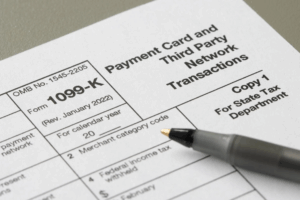
June 15 is the second quarterly estimated tax payment deadline for many business owners, freelancers, independent contractors, and pass-through entities.
Estimated taxes are generally required when income taxes are not automatically withheld throughout the year.
This commonly applies to:
- LLCs
- S Corporations
- Sole proprietors
- Self-employed professionals
- Consultants
- Partnerships
Many growing businesses generate inconsistent income throughout the year. A strong first quarter can create larger-than-expected estimated tax obligations by June.
Without accurate financial reporting, these payments often catch owners off guard.
Why Businesses Still Get Surprised by Tax Bills After Strong Revenue Months
Many business owners assume strong sales automatically translate into strong financial positioning.
The reality looks different.
A business can produce strong revenue while still facing:
- Tight cash flow
- Large tax obligations
- Low operating cash
- Delayed customer payments
- Increasing payroll expenses
- Rising inventory costs
- Margin compression
For example, an eCommerce business may experience a large increase in sales during Q1 while simultaneously purchasing more inventory, increasing advertising spend, hiring staff, and dealing with marketplace payout delays.
On paper, revenue looks strong.
Inside the bank account, cash may feel much tighter.
Tax obligations are still calculated based on profitability, not how much cash currently feels available inside the business.
This disconnect creates financial pressure for many growing companies.
Common Estimated Tax Mistakes Business Owners Make
Relying on Bank Balances Instead of Financial Reports
Many owners check their bank accounts to estimate how the business is performing.
Bank balances only show current cash available.
They do not show:
- Tax liabilities
- Profitability
- Outstanding expenses
- Accounts receivable
- Payroll obligations
- Upcoming vendor payments
Financial reports provide a more accurate picture of what the business actually owes and retains.
Falling Behind on Bookkeeping
Estimated taxes become difficult to calculate when bookkeeping is months behind.
This often leads to:
- Underpaying taxes
- Overpaying taxes
- Missed deductions
- Incorrect profit calculations
- Delayed filings
- Increased penalties and interest
Catch-up bookkeeping becomes especially common during tax season because many business owners spend the first half of the year operating without updated financial visibility.
Forgetting That Growth Often Increases Tax Exposure
Growth creates opportunity.
Growth also creates larger tax obligations.
As businesses increase revenue, hire employees, improve margins, or scale operations, estimated tax requirements often rise with them.
Businesses that experienced a strong Q1 performance may need to adjust their estimated payments before June 15 to avoid issues later in the year.
Financial Areas Business Owners Should Review Before June 15
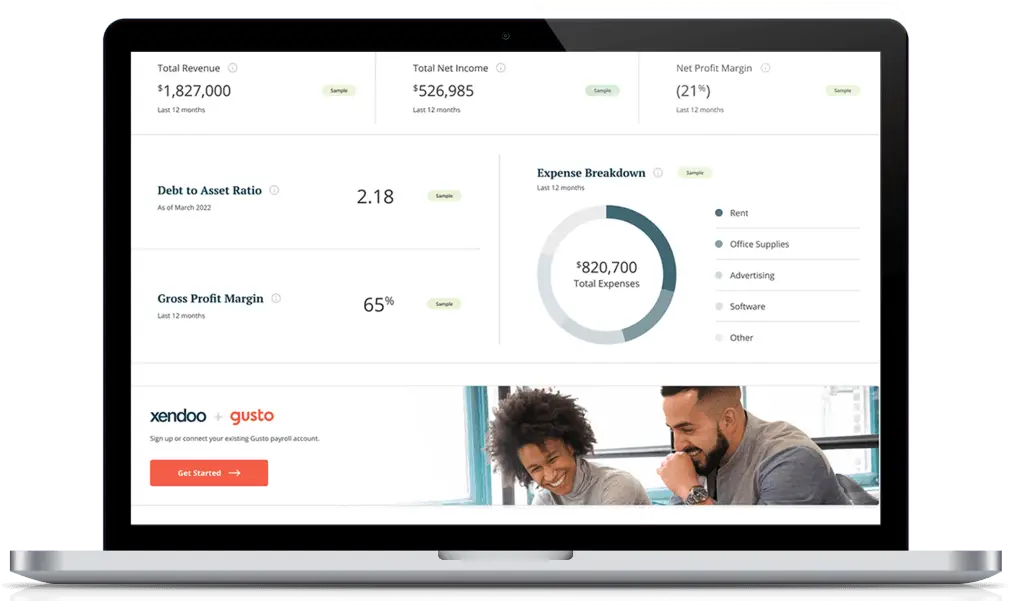
Profit and Loss Statement
Your profit and loss statement shows:
- Revenue
- Expenses
- Gross profit
- Net income
This report helps determine how profitable the business actually is during the year so far.
Unexpected profitability often creates unexpected tax exposure.
Cash Flow Position
Cash flow matters just as much as profitability.
Business owners should review:
- Cash available
- Upcoming obligations
- Payroll timing
- Vendor payments
- Inventory purchases
- Tax obligations
A profitable business can still experience operational pressure if cash flow is poorly timed.
Owner Distributions
Many business owners take distributions throughout the year without reviewing the tax impact first.
Large distributions can reduce the available cash needed for estimated payments later.
Reviewing owner draws early helps prevent unnecessary financial pressure.
Payroll and Contractor Payments
Businesses should confirm:
- Payroll filings remain current
- Contractor payments are organized
- 1099 tracking is accurate
- Payroll tax obligations are accounted for
Payroll issues often create larger tax complications later in the year.
Why Organized Financials Matter Before Tax Deadlines
Strong bookkeeping creates more than organized records.
It creates decision-making visibility.
Business owners with updated financials can:
- Estimate taxes earlier
- Improve cash flow planning
- Identify deduction opportunities
- Prepare for lending
- Review profitability trends
- Make cleaner growth decisions
Waiting until tax deadlines arrive often limits available options.
The businesses that navigate tax season most effectively usually review financial performance consistently throughout the year, not only during filing season.
Final Thoughts
The June 15 estimated tax deadline arrives quickly for growing businesses.
Strong revenue months do not always mean cash is positioned properly for taxes. Growth can increase tax exposure faster than many business owners expect.
Reviewing financial reports early gives business owners time to plan, improve visibility, and make informed decisions before tax pressure builds later in the year.
Accurate bookkeeping, organized financial reporting, and proactive tax planning create stronger financial control throughout the entire year, not only during tax season.