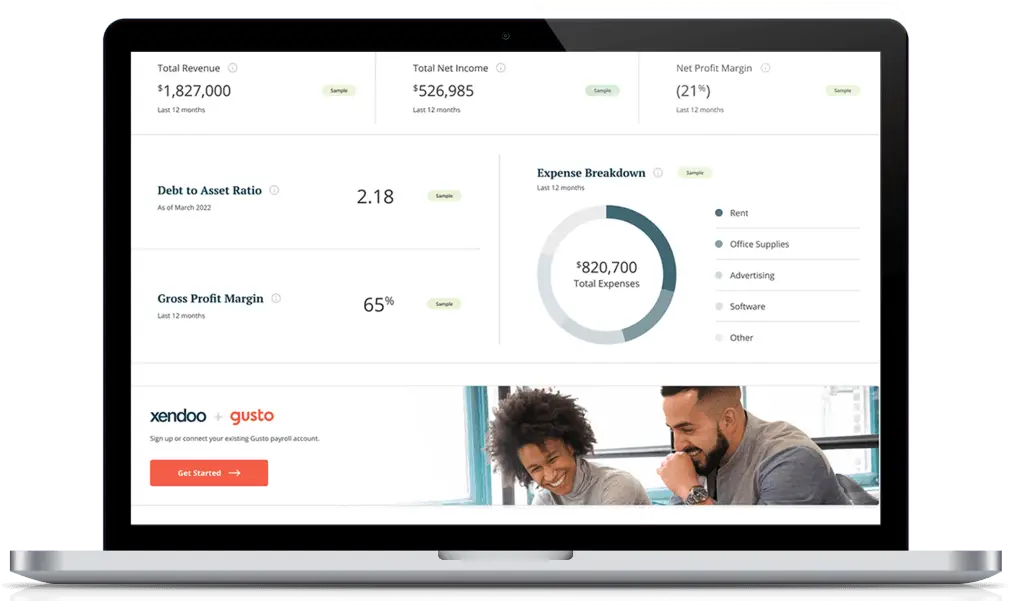














Many business owners assume that strong revenue automatically improves their chances of securing financing. Revenue helps open the conversation, but lenders look much deeper before approving funding.
A business can generate significant sales and still face delays, reduced approvals, or additional underwriting requests due to inconsistent financial reporting, outdated books, or unclear cash flow visibility.
Whether applying for an SBA loan, line of credit, expansion financing, or investor funding, organized financials often carry as much weight as revenue itself.
Revenue Does Not Tell the Full Story
Revenue reflects sales activity. Financing decisions focus on financial health, stability, and repayment ability.
Lenders want to understand:
- How much cash the business actually retains
- Whether expenses are controlled consistently
- If the business can comfortably support debt payments
- How stable the company appears month over month
- Whether financial reporting can be trusted
A business generating $2 million in annual revenue may still create concern if margins fluctuate heavily, expenses appear inconsistent, or the books are not fully reconciled.
This becomes especially common in fast-growing businesses where operations scale faster than financial organization.
Why Reconciled Books Matter
One of the first things lenders review is whether the books appear organized and reliable.
Reconciliations help confirm that:
- Bank balances match accounting records
- Transactions are categorized correctly
- Expenses are not duplicated
- Revenue is accurately recorded
- Liabilities are properly reflected
When accounts remain unreconciled for months, lenders often lose confidence in the accuracy of the financials. This can trigger additional requests, underwriting delays, or reduced financing options.
In many cases, businesses are not denied because of low revenue. The challenge comes from unclear financial visibility.
Consistent Reporting Creates Confidence
Lenders want to see consistency across financial reporting.
That includes:
- Timely monthly Profit & Loss statements
- Accurate Balance Sheets
- Organized Cash Flow reporting
- Stable reporting periods
- Clear documentation
Financial statements that constantly change or require repeated corrections create friction during underwriting.
Consistent reporting demonstrates operational discipline. It helps lenders evaluate trends, identify stability, and assess overall business performance with greater confidence.
Cash Flow Often Matters More Than Revenue
A business can appear profitable on paper while still struggling with cash flow.
Lenders analyze whether the business generates enough accessible cash to support:
- Payroll
- Rent
- Vendor obligations
- Existing debt payments
- Tax obligations
- Seasonal fluctuations
For example, a company may generate strong monthly sales but still face cash pressure due to delayed customer payments, high operating expenses, inventory purchases, or uneven revenue cycles.
This is why lenders closely review cash flow trends instead of relying on revenue alone.
What Lenders Notice Immediately
Underwriters review financial statements every day. Certain issues stand out quickly.
Common financial concerns include:
- Outdated bookkeeping
- Unreconciled accounts
- Negative equity
- Large unexplained transfers
- Inconsistent margins
- Missing liabilities
- Excessive owner draws
- Incomplete financial statements
Even strong businesses can face underwriting slowdowns when financials appear disorganized or incomplete.
The cleaner and more organized the books, the easier it becomes for lenders to evaluate the business efficiently.
Why Businesses Often Need Catch-Up Bookkeeping Before Applying
Many businesses begin preparing financials only after deciding to pursue financing.
At that stage, lenders may request:
- Up-to-date Profit & Loss statements
- Current Balance Sheets
- Historical financial reporting
- Tax returns
- Cash flow visibility
- Debt reporting
If bookkeeping has fallen behind, businesses often need catch-up work completed quickly before moving forward.
Xendoo helps businesses organize and reconcile financials through a dedicated USA-based accounting team and Rapid Response catch-up bookkeeping support designed to prepare businesses for lending, taxes, and growth.
Organized Financials Create Faster Opportunities
Strong financial organization helps businesses move faster when opportunities appear.
Accurate books support:
- Faster underwriting
- Cleaner tax strategy
- Better financing visibility
- More informed business decisions
- Expansion planning
- Investor conversations
- Stronger operational visibility
Revenue remains an important part of financing conversations. Organized financials help complete the picture lenders need to see.
Businesses that maintain reconciled books, timely reporting, and consistent financial visibility often position themselves more effectively for funding opportunities year-round.