










The 2026 tax season is here, and that means it’s time for businesses and self-employed individuals to make sure they understand their 1099 filing obligations. Whether you hire independent contractors, pay rent, or make miscellaneous business-related payments, certain 1099 forms must be filed both with the IRS and with the recipients. Meet those deadlines and thresholds to stay compliant and avoid penalties.
What Are 1099 Forms?
1099 forms are a group of IRS information returns used to report various types of income paid during the tax year that aren’t reported on W-2s. Common examples include payments to freelancers, interest and dividends, rent, and proceeds from broker transactions.
The IRS requires businesses to issue these forms to the IRS and to payees in order to report income that isn’t subject to typical wage withholding.
Who Must File a 1099?
1. Payments to Non-Employees (1099-NEC)
If you paid a non-employee — such as an independent contractor, freelancer, or gig worker — for services in the course of your business, you generally must issue Form 1099-NEC if you meet the contract amount threshold. If you are an S corporation or a C corporation, you generally do not have to file a 1099.
2. Miscellaneous Payments (1099-MISC)
This form covers various payments such as:
- Rent
- Royalties
- Prizes and awards
- Other types of miscellaneous income
3. Other 1099 Forms
Different 1099 series forms report other specific income:
- 1099-INT for interest
- 1099-DIV for dividends
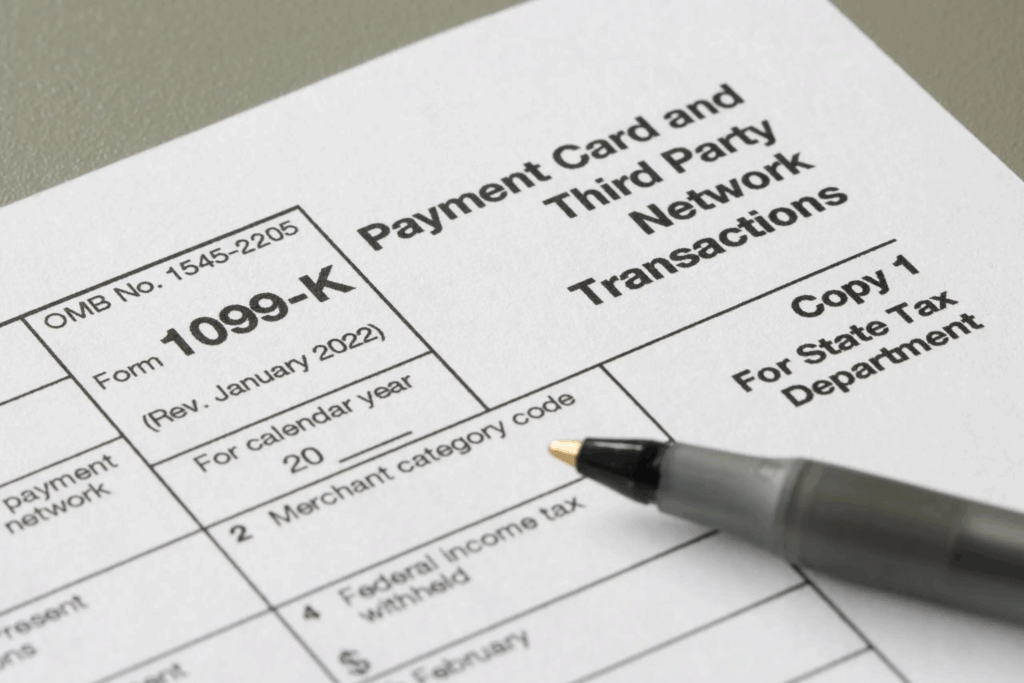
- 1099-K for payment card/third-party network transactions
- 1099-B for broker and barter transactions
- 1099-S for real estate sales proceeds
New Reporting Thresholds for 2026
One of the biggest changes for the 2026 tax season involves reporting thresholds for 1099-NEC and 1099-MISC forms:
- Prior to 2026, the threshold for reporting payments to non-employees was typically $600 in a calendar year.
This new threshold also applies to backup withholding requirements when a payee doesn’t provide a valid taxpayer ID.
Key Filing Deadlines for 2026
Meeting deadlines is critical. The IRS sets separate timelines for sending recipient copies and filing with the IRS:
Form 1099-NEC
- Must be furnished to recipients and filed with the IRS by February 2, 2026 (because January 31 falls on a weekend).
Form 1099-MISC
- Furnish recipient copies by February 2, 2026.
- IRS filing deadline is February 2, 2026.
Other 1099 Forms
- Most other 1099 forms (e.g., 1099-INT, 1099-DIV, 1099-K) must be furnished to payees by February 2, 2026.
Note: If you’re providing statements such as 1099-B or 1099-S with only certain box amounts, the recipient furnishing deadline can extend to February 17, 2026.
Electronic Filing Requirements
If you are filing 10 or more information returns, including 1099 forms, the IRS generally requires electronic filing. This rule includes combined totals across different return types.
Electronic filing options, like IRS’s Information Returns Intake System (IRIS) Taxpayer Portal, make compliance efficient and can help you manage corrections and track acceptance.
Penalties for Missing Deadlines
Failing to file correct 1099s on time can trigger penalties — often based on how late the forms are and the size of the business. Penalties can range from tens to hundreds of dollars per form, increasing for longer delays. (IRS guidance outlines these details.) It’s wise to plan ahead and confirm deadlines early.
Tips for Smooth 1099 Compliance
- Collect W-9s Early: Before paying contractors, collect a completed Form W-9 to capture legal names and taxpayer identification numbers.
- Track Payments During the Year: Use bookkeeping software to flag payments that may cross reporting thresholds.
- Consider E-Filing: Filing electronically can reduce errors and streamline processing.
- Review Changes Annually: IRS rules, thresholds, and deadlines can evolve, so confirm requirements late in the year before filing season.
Use Xendoo to Help You File
1099 filing gets easier when your books are accurate, organized, and up to date.
Xendoo helps you prepare for 1099 season by keeping contractor payments properly categorized and reconciled throughout the year. With clean, consistent financials, you have clear visibility into who needs a 1099, how much was paid, and whether reporting thresholds were met before deadlines arrive.
Xendoo’s bookkeeping and accounting support helps eliminate last-minute scrambling, reduces errors, and gives you confidence that your data is ready for filing. When it’s time to issue 1099s, you’re working from reliable numbers, not estimates.
Accurate books make smooth 1099 filing possible, and Xendoo helps ensure your financials are ready when it matters most.
Bottom Line
The 2026 tax season brings noteworthy updates to 1099 reporting requirements, most significantly higher thresholds for issuing 1099-NEC and 1099-MISC forms. While this may simplify filing for some small businesses, understanding which income must be reported, and when, remains essential.
Plan ahead, stay organized, and when in doubt, consult a tax professional to ensure your business meets all IRS requirements for 1099 reporting this year.