

Summary
To get your eCommerce books ready for tax season, make sure your numbers are accurate. Check your COGS, update your inventory, record all marketplace and processing fees, review shipping and fulfillment costs, and confirm every return and refund is in your books. Make sure your payroll, contractor payments, sales tax, and all accounts are fully reconciled. When these items are correct—and reviewed with the help of a CPA, your tax return will show your true profit and help you avoid overpaying when you file.
Tax season moves quickly for eCommerce businesses, especially after a busy Q4. Clean, accurate books help you avoid overpaying, reduce stress, and file with confidence. Before tax season approaches, take time to review the financial areas that impact your return the most: your COGS, inventory, fees, deductions, and sales tax.
Here are the key parts of your books every eCommerce seller should review.
1. Cost of Goods Sold (COGS)
COGS drives your taxable income, so accuracy here matters.
Review:
- Your December 31 inventory count
- Landed costs (product cost, shipping, duties, freight)
- Any items that were damaged or unsellable
- Costs tied to returns
If COGS is wrong, your tax return won’t reflect your true profit. This is one of the most important year-end numbers for eCommerce sellers.
2. Inventory Adjustments and Write-Downs
Inventory value changes throughout the year. Adjusting it correctly reduces your taxable income and gives you a clearer picture of performance.
Look for:
- Obsolete or slow-moving items
- Inventory damaged in transit or storage
- SKUs that need to be written down to their true value
- Items returned and not resale-ready
These adjustments ensure you don’t pay taxes on the inventory value you’ll never recover.
3. Missed or Unclaimed Deductions
Many eCommerce sellers miss deductions because their books aren’t fully updated. Before filing, review:
- Packaging and shipping supplies
- Software and app subscriptions
- Merchant fees
- Warehouse or 3PL storage costs
- Advertising and agency spend
- Home office or business-use-of-home expenses
- Equipment or technology purchases that may qualify for Section 179
Accurate categorization ensures you receive the deductions you’re entitled to.
4. Marketplace and Processing Fees
Fees reduce your taxable profit but only if recorded correctly.
Review fees for:
- Amazon FBA
- Shopify
- Etsy
- Walmart Marketplace
- PayPal
- Stripe
- Klarna, Afterpay, and other BNPL services
Many sellers overlook FBA storage fees, return fees, and monthly subscriptions. Make sure these appear in your books before filing.
5. Returns, Refunds, and Chargebacks
Returns spike after Q4, and they directly affect revenue and COGS.
Before filing:
- Confirm all returns were recorded
- Adjust COGS for returned items
- Reflect return-related fees
- Record chargebacks and disputes accurately
These corrections help your taxes match your actual profit.
6. Shipping Costs and Fulfillment Expenses
Shipping is one of the biggest expenses for online sellers.
Review:
- Carrier invoices
- 3PL fulfillment fees
- Return shipping
- Surcharges added during peak season
Accurate shipping expense reporting gives you a better tax position and helps you understand profitability across SKUs.
7. Payroll and Contractor Payments
If you use employees or contractors:
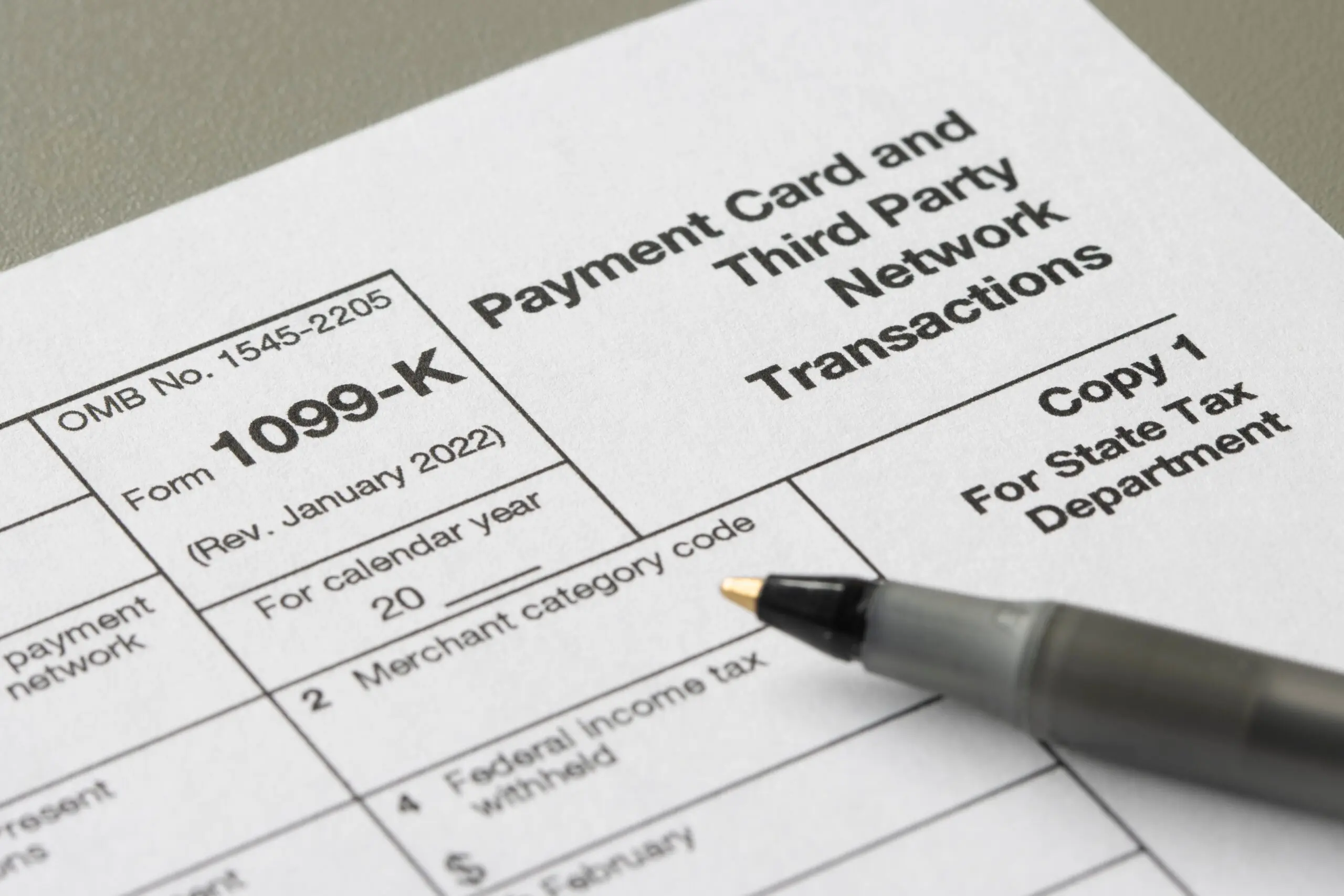
- Confirm all W-2 and 1099 amounts match your books
- Ensure payroll taxes were recorded correctly
- Categorize contractor payments for accurate 1099 filings
Mistakes here cause filing errors and IRS follow-up.
8. Sales Tax Obligations
eCommerce sales tax is separate from income tax, but must be reviewed before filing.
Confirm:
- Where you have nexus
- That all filings through 2025 are complete
- Whether the marketplace facilitator rules apply
- Accrued sales tax is recorded correctly
This protects you from penalties and future audits.
9. Final Bookkeeping Reconciliation
Before filing taxes, make sure every account is fully reconciled:
- Bank accounts
- Credit cards
- Loans
- Payment processors
- Marketplace channels
Clean books = accurate tax return.
Where Xendoo Helps
Xendoo’s accounting team specializes in eCommerce financials. We reconcile every sales channel weekly, deliver clear monthly financials, track inventory and COGS accurately, and prepare your business for tax season with CPA oversight.
On average, eCommerce businesses working with Xendoo save $15,000 a year in taxes through accurate books and proactive planning. If your numbers need cleaning up before filing, or you want an accounting team built for Shopify, Amazon, Etsy, and multi-channel selling, we’re here to support you.