

Low-Burn | Scaling Your Startup S2 E8 with Neyborly’s Ben Seidl & xendoo’s Lil Roberts | E1224

When it comes to financial health as your scaling your startup there are six steps to healthy financials for scaling your startup. Watch for insightful tips for your small business by our CEO and Founder Lil Roberts, at This Week in Startups – Scaling your Startup. E1224 of Low Burn.
These are the women in Miami tech you need to know | South Florida Business Journal

The Miami tech movement wouldn’t be what it is without the women founders, executives, nonprofit leaders, and venture capitalists who have spent years championing the region’s innovation community. An article by Ashley Portero, Senior Reporter, South Florida Business Journal. Read more here
Online Bookkeeping Provider xendoo Now Helping Small Businesses in 46 States, 12 Countries

One of Broward County’s biggest startup success stories continues to grow at a rapid pace. Fort Lauderdale-based xendoo has developed a SaaS bookkeeping platform targeted at small businesses. The startup reported a two-year revenue growth of 777% from 2018 through 2019.
Profile of a Founder: Lil Roberts of xendoo

We believe business owners should have time to do what they love, build their business – not do bookkeeping.
Importance of LIVE events & What’s the Future of Ecommerce | Lil Roberts | Ep. 173

The new buying habits are post-pandemic! What to expect? xendoo CEO and Founder Lil Roberts is back to share with us the new buying habits post-pandemic and how eCommerce fits into retail’s post-pandemic future. “We believe business owners should have time to do what they love, build their business – not do bookkeeping.”
10 Accounting Tips for Small Businesses to Keep the Books Balanced

In the ever-evolving business landscape, small to medium-sized businesses (SMBs) are increasingly adopting innovative tools to streamline operations and enhance financial management. One crucial determinant of success for any SMB is how it handles its monthly finances. Good accounting practices not only conform a business to regulations but also create valuable information that can help the business grow. In this article, we provide 10 actionable accounting tips to help small businesses keep their books balanced and achieve financial stability. Tip 1: Keep Personal and Business Finances Separate Maintaining separate accounts for personal and business finances is fundamental to clear and accurate bookkeeping. Mixing personal and business transactions can lead to confusion, errors, and potential legal issues. By opening a dedicated business bank account, you ensure that all business expenses and income are recorded separately. This not only simplifies tax preparation but also provides a clear picture of your business’s financial health. Actionable Advice: Start by setting up a dedicated business bank account and, if needed, a separate credit card for business expenses. This will help you track business expenditures accurately and maintain clear records. Tip 2: Use Cloud-Based Accounting Software Embracing cloud-based accounting software can revolutionize your financial management. Unlike traditional software that requires installations on individual desktops and frequent updates, cloud-based solutions offer real-time access to your financial data from any internet-connected device. This flexibility is crucial for informed decision-making and strategic planning. Recommendations: Popular cloud-based accounting software options include QuickBooks Online, Xero, and FreshBooks. These tools offer features such as automatic backups, real-time data syncing, and integration with other business applications. Actionable Advice: Choose the right software based on your business needs and get started by migrating your existing financial data to the cloud. This will not only enhance your efficiency but also provide you with accurate, up-to-date financial information at your fingertips. Tip 3: Track Every Expense Accurate expense tracking is essential for maintaining balanced books and making informed financial decisions. Every business expense, no matter how small, should be logged and categorized appropriately. This helps in monitoring cash flow, managing budgets, and preparing for taxes. Actionable Advice: Utilize digital tools and receipt management apps to log expenses in real time. Regularly update your records to ensure no expense goes untracked. Tip 4: Regularly Reconcile Your Accounts Regular account reconciliation is crucial to prevent errors and discrepancies in your financial records. By comparing your internal records with bank statements, you can identify and rectify any inconsistencies promptly. This practice helps in maintaining accurate financial records and avoiding potential issues during audits. Actionable Advice: Schedule monthly or quarterly account reconciliations. Use accounting software that automates this process and alerts you to any mismatches. Tip 5: Monitor Your Cash Flow Cash flow management is vital for the stability and growth of your business. By keeping a close eye on your cash inflows and outflows, you can ensure that your business has enough liquidity to meet its obligations and seize growth opportunities. Actionable Advice: Create cash flow statements and forecasts to predict future cash needs. Use these insights to plan for expenses, manage shortfalls, and make informed investment decisions. Tip 6: Keep Detailed Records Maintaining detailed records of all financial transactions is essential for transparency and accuracy. This includes invoices, receipts, bank statements, and tax documents. Thorough record-keeping not only aids in financial management but also ensures compliance with regulatory requirements. Actionable Advice: Implement a systematic approach to record-keeping, using both digital and physical storage methods. Regularly update and back up your records to prevent data loss. Tip 7: Set Aside Money for Taxes Preparing for tax liabilities is crucial to avoid financial surprises and penalties. By setting aside money regularly for taxes, you can ensure that you meet your tax obligations on time and avoid the stress of last-minute scrambling. Actionable Advice: Estimate your tax liabilities based on your income and expenses. Set aside a portion of your revenue each month in a separate tax savings account. Tip 8: Review Financial Reports Regularly Regularly reviewing financial statements is key to making informed business decisions. Financial reports such as income statements, balance sheets, and cash flow statements provide insights into your business’s financial performance and health. Actionable Advice: Schedule regular reviews of your financial reports. Use these reviews to identify trends, spot potential issues, and make strategic decisions. Tip 9: Hire a Professional Accountant and/or Bookkeeper Seeking professional accounting or bookkeeping help can provide significant benefits, even for small businesses. Bookkeeping involves the day-to-day recording of transactions, maintaining accurate financial records, and managing receipts and invoices. An experienced bookkeeper ensures your financial data is up-to-date and organized. On the other hand, accounting encompasses a broader scope, including analyzing financial data, preparing financial statements, and providing strategic insights. An experienced accountant can offer valuable insights, ensure compliance with regulations, and help optimize your overall financial management practices. Actionable Advice: Consider hiring an accountant or bookkeeper on a part-time or freelance basis if a full-time hire is not feasible. Look for professionals with experience in your industry and a solid track record. Alternatively, consider xendoo. xendoo specializes in providing tailored bookkeeping and accounting solutions for small businesses. By choosing xendoo, you gain access to a team of experienced professionals who can help manage your financial records and offer strategic insights, ensuring your business thrives. Tip 10: Plan for the Future Financial planning and setting long-term goals are essential for business growth. By creating a financial plan, you can align your resources with your strategic objectives and ensure sustainable development. Actionable Advice: Develop a financial plan that includes projections for revenue, expenses, and cash flow. Regularly update your plan to reflect changes in your business environment and goals. Conclusion Balanced books are the foundation of a successful small business. By implementing these 10 accounting tips, you can achieve greater financial stability, make informed decisions, and drive your business toward growth and profitability. At xendoo, we specialize in providing cloud-based accounting services tailored to the unique needs of small businesses. Our goal is
What Is a Fractional CFO, and Do I Need One?

Successful small-to-medium-sized business operations depend heavily on efficient financial management in a changing environment. These businesses need highly skilled financial expertise because, as they expand, their financial requirements often become increasingly complicated. This is when the role of a fractional CFO becomes relevant. Fractional CFOs are becoming increasingly popular among entrepreneurs because they provide a flexible and affordable way to obtain the strategic financial advice necessary for expansion. This article aims to provide small and medium business owners with an understanding of fractional CFOs, their advantages, and the best ways to incorporate them into their operations. What is a Fractional CFO A fractional CFO offers chief financial officer services on a part-time basis. They are also known as part-time or outsourced CFOs. In contrast to a full-time CFO who works solely for one firm, a fractional CFO serves many companies by providing their knowledge for a certain number of days or hours each month. With this arrangement, companies may get expert financial advice without having to pay for and dedicate a full-time executive. Like their full-time counterparts, fractional CFOs manage various strategic financial responsibilities, such as financial planning, analysis, and supervision, but on a timetable that is customized to the requirements of the business. Benefits of Hiring a Fractional CFO 1. Cost Savings: Cost savings are among the strongest arguments favoring a fractional CFO. A full-time CFO might be too expensive for many small-to-medium-sized companies. Without the weight of a full-time pay and benefits package, a fractional CFO offers access to the same level of knowledge at a fraction of the expense. 2. High-Level Expertise: Fractional CFOs provide a wealth of knowledge and astute financial advice. Having worked with several organizations in different sectors, they often contribute viewpoints that assist in defining corporate strategy and ensuring solid financial management. 3. Flexibility and Scalability: A fractional CFO’s services may be expanded to meet the company’s demands. Businesses developing or going through significant changes would especially benefit from this flexibility, as it allows them to vary the amount of CFO help needed at any given moment. 4. New Perspective: A fractional CFO on board might provide a different viewpoint on operations and financial management. They can see possibilities and obstacles that workers may miss, providing fresh approaches and answers. Key Responsibilities of a Fractional CFO Financial Planning and Analysis The CFO predicts financial results by analyzing prior performance, market circumstances, and economic trends. This approach informs corporate investment, growth, and resource allocation choices. A fractional CFO’s FP&A knowledge keeps the organization financially stable and ready to achieve its long-term objectives. Cash Flow Management The CFO ensures the business has enough cash to pay its debts and other operational costs. A fractional CFO prevents cash shortages and helps the organization seize opportunities by controlling cash flow. Businesses with quick growth or seasonal revenue changes benefit from this supervision. Budgeting and Forecasting CFOs are involved in creating financial projections and budgets to inform company choices. A fractional CFO helps companies budget and predict which are crucial to their financial strategy. These projections guide company choices and strategy adjustments. By offering precise and realistic planning and forecasting, a fractional CFO helps the firm plan forward. Financial Reporting and Compliance Accurate financial reporting and regulatory compliance are required to maintain stakeholder confidence and avoid legal concerns. A fractional CFO oversees financial statement preparation and ensures they follow GAAP. It also ensures that relevant rules are followed and accurate financial reporting is produced. Strategic Planning and Advising Besides financial management, a fractional CFO advises on long-term strategies to help the firm succeed. This entails working with the leadership team to create and execute growth and profit-boosting strategies. The CFO adds financial expertise to strategic planning, evaluating project viability and effect. Investor Relations and Fundraising CFOs manage connections with investors and support fundraising initiatives. A fractional CFO helps raise bank loans, venture capital, and bonds. They create financial documentation, presentations, and business strategies that convince investors of the company’s worth. Investor relations include monthly financial and strategic updates from the CFO. A fractional CFO ensures the organization has the financial resources to succeed by building strong investor connections. Signs Your Business Might Need a Fractional CFO Rapid Growth or Scaling Plans: When a company grows fast, efficient financial management becomes essential. Complicated Financial Challenges or Opportunities: Specialized knowledge and abilities are needed to navigate complex financial circumstances. Need for Better Financial Reporting and Analysis: Well-informed decision-making depends on accurate and insightful financial reporting. Getting Ready for Fundraising or Dealing with Investors: A fractional CFO may help present the company to prospective investors in the most favorable light. Desire for Strategic Financial Guidance without a Full-Time Commitment: This option is perfect for companies that want expert financial guidance but cannot support hiring a full-time CFO. How to Find and Choose a Fractional CFO Where to Look: Professional associations, networking, and personal recommendations are great places to start when looking for a fractional CFO. Critical Features: Seek applicants with a track record of success in your sector and appropriate expertise. Questions to Ask: Find out how they handle finances, what kind of experience they have with comparable companies, and how they may benefit your firm throughout the recruiting process. Assessing Fit: Verify the candidate’s values and working style align with your business’s culture and strategic objectives. Integrating a Fractional CFO into Your Business. Determining whether your business could benefit from a fractional CFO involves assessing your current financial management needs and future growth plans. During the onboarding process, clearly define their roles, duties, and expectations. Communication Channels: To guarantee seamless cooperation, set up efficient reporting and communication systems. Alignment with Objectives: Make sure the actions of the fractional CFO are in line with your strategic goals and corporate objectives. Regular Reviews: To guarantee ongoing development and alignment with corporate objectives, periodically assess employees’ performance and job results. Finding Outsourced and Virtual CFO Services The need for virtual and outsourced CFO services is rising, providing companies with flexible and affordable
From Startup to Success: How Proper Accounting Practices Fuel Business Growth

It is exciting to start a business, but beyond having a great idea, one needs to work out many things as well. Small and medium-sized enterprises (SMEs) frequently need help shaping their brand in a constantly changing environment where invention, market comprehension, and efficient management are key factors. One crucial thing that may become a success or failure determiner for a startup is how it handles its financial affairs. Good accounting practices not only conform a business to regulations but also create valuable information that can grow the business. This article discusses how entrepreneurial accounting helps progress from a startup to success. Understanding the Essence of Bookkeeping Accounting combines precise and well-kept bookkeeping, which is vital in every flourishing business. Bookkeeping ties these deals together by registering any financial transaction: sales, purchases, receipts, and payments. Maintaining flawless and up-to-date records for small business owners involves keeping records of how income and expenses are split, how cash flow is managed, and how taxes are prepared. Based on my experience, the critical idea of a successful SMB accounting system is in high demand. Bookkeeping hit the boundary of causing calculated mathematical operations, including all processes of systematic transaction recording, accurate expense tracking, and the efforts in managing the cash flow. Getting bookkeeping help from expert firms like xendoo may jump-start your small business’s journey to success. Not only does it aid in time management, but it also guarantees the accuracy of financial records in line with regulations. The fact that xendoo.com exists as an accounting outsourcing firm makes it, unlike an ordinary accountant or calculator. When a CEO outsources the handling of the finances to the experts, they can free time and gratis it again to impelling business growth while upgrading their company’s finances. This allows them to channel their energies into what they do best – their most apt trade. Challenges Faced by Small Business Owners Accounting requirements can be challenging for many small enterprises because they grow without basic operational procedures during the initial business period. Time pressure, resource scarcity, and the lack of professional skills that contribute to the quality of financial management are relatively common obstacles. As a result, wrong entries in bookkeeping may emerge, which can result in financial discrepancies, missed tax deadlines, and, in the end, exactly, threaten the sustainability of the business. In addition, companies with expanding operations and a large quantity of paperwork will see a wide variety in their transactions boom at an equal charge. During those moments, guide bookkeeping systems cannot reply to operational worries, making printing errors vital. Small commercial enterprise owners increasingly turn to outsourced bookkeeping services, which offer a strategic alternative for financially retaining a commercial enterprise, even permitting the owner to pay attention to their number one duties. The Advantages of Outsourced Bookkeeping Engaging a bookkeeping company is like a gift in a box since businesses can handle bookkeeping alone or pay high organization accounting fares. Another main advantage is the availability of talented accountants, no complete staff hiring, and, therefore, managers. These experts ensure compliance with the rules and, if necessary, inspect compliance through audits and checklists. Unlike these, contracting out in one way or another allows the proprietorships to grasp all over their production schemes, connections, and clients to achieve all-over productivity and scalability. Moreover, software of such power helps individuals navigate processes that let them eliminate errors or missteps and take quick actions from the software, making them a top competitor. Driving Business Growth Through Effective Financial Management In today’s competitive world, where rival features are constantly emerging, agility and adaptability are crucial for either survival or growth. Well-structured accounting practices provide small business owners with the necessary inputs for decision-making, identification, and handling of risks, as well as opening up to the opportunities that may be available. Through precise financial records, businesses can focus on the trend of cash flow, monitor expenses, and identify when efficiency is sliding low or the company is overspending money. Furthermore, strategic financial planning empowered by outsourced bookkeeping services supports businesses in devoting the resources where they are needed and choosing the investments that make the best economic sense. All these financial decisions are taken if you deal with expanding operations, new products, or entering new markets, but they create a base for sustainable development and profitability. Moreover, outsourcing the bookkeeping processes will associate the business with credibility and reputation, build trust with shareholders, and invite investment or partnerships. Credible and trustworthy financial reporting will favor transparency and fiscal responsibility, again showing that these features are essential for building a marketplace. Navigating Growth: Solutions Offered by xendoo.com xendoo.com gives small and medium-sized businesses (SMBs) the tools they require to explain and manage their financials and, in turn, to grow sustainably and remain competitive. xendoo.com, being a bookkeeping expert platform, helps local businesses (SMBs) take control of their finances and minimize time and resources that can be used to perform their core business activities. By carefully developing and optimizing tax planning strategies, xendoo.com translates those savings into business growth, boosting financial resources strategically. Apart from CFO services outsourced through xendoo.com, owners and business managers can set strategies that place them in superior decision-making characteristics. SMBs, having a partnership with xendoo.com, could work with a group of relying professionals with the required competencies and tools for the successful handling of financial challenges and for maximizing profit. Success as SMBs see the light at the end of the tunnel with xendoo.com by their side, and it’s just a matter of time before they reach the echelons of successful businesses with confidence and clarity of purpose, finally digging their feet deep in the path to a sustainable future. In conclusion, accounting discipline is necessary for the growth and sustainability of small and medium-sized enterprises. To eliminate difficulties in financial accountability, entrepreneurs should consider the utility of outsourced bookkeeping. Such a move would boost the overall development of the business. It is catching up because effective bookkeeping makes perfect record-keeping, a strategic tool
The Backbone of Growth: Why Bookkeeping is Essential for Scaling Your Business

Small Business Owners are almost always forced to balance various aspects to ensure their operations run smoothly. Apart from taking care of day-to-day chores and making growth plans, business owners always have a lot on their plates. However, one aspect worth highlighting is bookkeeping. While often overlooked and sometimes seen as routine by small business owners, it is the foundation for growth. Bookkeeping is the backbone of growth for small businesses. This article delves into the role of bookkeeping in scaling up small businesses and the benefits of outsourcing this task to professionals like xendoo.com. Understanding the Importance of Bookkeeping In reality, bookkeeping is more than just keying in transactional data; it involves financial analysis to ensure that the business remains healthy financially. Good bookkeeping will ensure that small businesses have accurate, current reporting of financial statistics on a company. It provides a platform to record revenue, control outflows, maintain up-to-date liquidity, and make well-grounded decisions for the future of the business. Bookkeeping is essential and even more critical for small businesses attempting to grow. It lays the groundwork for the financial plan and the budget. Through these tools, one can dedicate time to expansion and areas affected by risks. There must be sufficient information for businesses to address their opportunities and overcome challenges with an enterprise account. Challenges Faced by Small Business Owners Although it is undeniably vital, keeping accurate bookkeeping records for small businesses can be challenging for many owners. The reality is that most small businesses face these challenges: limited time, resources, and skills are among the factors that make it difficult to have accurate and complete accounting records. An issue that small businesses also face is the intricate tax laws and regulations, which make things more complicated. All small business owners, however, have to be wary of poor bookkeeping practices and their consequences. Only complete or reliable financial documents may result in missed chances of taking tax deductions and due date penalties, discouraging the firm from pursuing the tax deductions. Moreover, it can also cause legal problems. It can also be challenging to raise funds or find a pool of investors; thus, the business may need to improve its growth mission. Outsourcing Bookkeeping: A Smart Solution Handing over bookkeeping tasks to a third party can be a very effective way for a small business with bookkeeping struggles to cope. Outsourcing provides the owners with the freedom to run the business and allows experts to manage the financial records. Money is conserved, and resources are utilized efficiently because the books are always up-to-date and accurate. xendoo.com helps small businesses run by providing accounting services according to their specific requirements. Whether you need help with daily bookkeeping duties or catching up on your past-due debt, xendoo.com is always available to help you. Their team of veteran professionals who are aware of the distinctive problems affecting small businesses and may even provide you with all the support that you need to grow. Along with expanding a business comes the escalating number of bookkeeping tasks. Delegating financial reporting to xendoo.com is a sure means of ensuring that the balance of your business’s size and efficiency remains. xendoo.com has helped several small enterprises save time and money by outsourcing their bookkeeping to xendoo.com. Partnership with xendoo.com has resulted in improved operations, the allocation of fewer resources, and, ultimately, better financial outcomes for these companies. xendoo.com Your Partner in Financial Success xendoo.com is not confined to mere bookkeeping services; it is your companion for better business dealings. xendoo.com has a team of experienced professionals actively assisting small businesses’ success. They offer a broad range of services to streamline financial management and enhance growth. The strength of xendoo.com lies in its capability to develop unique and personalized solutions for businesses of all sizes. Whether you’re a start-up business aimed to secure a sound financial basis or a well-established one endeavoring to go big, Xendo.com’s experts plan thoroughly with you, considering your business specificity and defining a roadmap of the firm’s goals. The Spine of xendoo.com‘s services lies in effectiveness and reliability. At xendoo.com, we use current technology and standard accounting procedures to provide timely and accurate financial reports that are always compliant. Besides the function saving you time, it minimizes the chance of mistakes, and you avoid penalties. From identifying cost-saving opportunities to boosting future sales, the experienced Xendo.com advisors are here and ready to offer guidance to help you grow. Besides being just a bookkeeping company, xendoo.com also offers various services catering to all your financial requirements. Whether you need tax preparation CFO services or a catch-up service to repair your finances, xendoo.com can help you. The website xendoo.com allows small enterprises to succeed in this challenging world through custom solutions, strategic advice, and broad services. Are you a business owner seeking profitability and success at the next level? Give xendoo.com a try and experience the difference. Conclusion: Invest in Your Business’s Future with xendoo.com In summary, records management is a default for scaling your business. You can get a snapshot of the financial state of your business if you invest in the art of correct bookkeeping, which will help you make the right choices regarding the future of your business. Through xendoo.com, you can only relax and be sure that there is no possible threat your records might face. About xendoo We share your passion for small businesses and are inspired by your dedication to making your dreams a reality. That’s why we’re committed to providing you with the financial visibility and support you need to thrive. More Than Just Numbers It’s more than simply crunching numbers. It’s about building meaningful relationships with our clients and understanding their needs. Our people-first mentality ensures you receive personalized attention and expert guidance throughout your financial journey. A One-Stop Solution xendoo offers a comprehensive suite of services, including: Full-service bookkeeping and accounting team to free up your time and resources. Hassle-free tax preparation and filing Fractional CFO Services to work with you
7 Last-Minute Tax Tips: Quick Actions Small Business Owners Can Take to Meet the April 15th Deadline

As the April 15th tax deadline approaches, small business owners are on a tight schedule to get their financial books in order and finalize their tax filings. Timely tax preparation ensures compliance with the Internal Revenue Service (IRS) and can maximize potential tax savings. This becomes a critical period in business, and specific strategic actions must be taken so that small businesses remain compliant, maximize returns, and minimize liabilities when filing taxes. This article provides seven actionable tax tips to help small business owners navigate the crunch time effectively. Organizing Financial Records Gathering Necessary Documents and Receipts As one of the basics for filing taxes, small businesses must gather all pertinent financial documents, such as invoices, bank statements, expense receipts, and payroll details. Gathering these documents helps small businesses aggregate and systemize these records to afford a vast, complete record base for use in tax preparation and filing. Utilizing Accounting Software for Efficient Record-Keeping Accounting software simplifies record-keeping, facilitating easier tax preparation and real-time financial tracking. Nowadays, small business owners are privileged to have several programs dedicated to clientele and account record-keeping management. Up-to-date accounting software helps your business to integrate seamlessly with other leading accounting software platforms. It offers you direct access to ensure your business’s financial data is accurate and up to date for filing taxes. Thanks to such tools, financial data can be structured and sorted according to the classification rules in preparation for tax filing. Creating a Checklist to Ensure Nothing Is Overlooked For small business owners, a broad checklist will guard against the usual omissions and assure the inclusion of all required documents and information, which are requisites during the preparation to file taxes. A checklist should comprise the fields of income, deductible expenses, tax documents, and any specific information related to their unique business type. At the end of this financial review, the business owner should have a checklist covering all financial records. Maximizing Deductions and Credits Identifying Eligible Business Expenses Understanding what makes up a deductible business expense helps ensure small businesses make the most of tax-saving opportunities. From home computers and vehicles to social networking-related expenditures to staff and benefits, all business owners should be careful to keep relevant documentation as this will enable them to use the deduction system to the utmost extent. Identifying eligible business expenses helps small business owners take advantage of all possible deductions. Exploring Available Tax Deductions and Credits for Small Businesses The tax code gives an array of deductions and credits meant to support small businesses. Alongside typical business expenses, SME proprietors must check for available pertinent deductions to their sector. For instance, the Small Business Health Care Tax Credit, the Research and Development Tax Credit, and several state and local incentives are all geared towards the same purpose: promoting small businesses. We guide you to strategically employ the most recent tax benefits to lower your taxable income and increase your tax savings. At xendoo, we also keep up with the latest tax benefits to ensure that businesses signed with us get the most out of the benefits. Strategizing to Maximize Tax Savings Strategic tax planning is essential to optimizing small business outcomes. With a thorough knowledge of eligibility for deductions and credits, entrepreneurs can now employ tactics that help them minimize tax liability. This could involve reformatting certain parts of the business systems or making good use of the timing of investments and purchases by aligning them with tax compliance. Our bookkeeping services include expert professional advice on the structure of transactions and operations to maximize available benefits and opportunities by saving more on your tax bill. Navigating Tax Law Changes Highlighting Recent Changes in Tax Laws Affecting Small Businesses Tax laws are constantly changing, and they significantly affect small businesses. Significant updates and modifications are made to initial tax laws as often as monthly. Business owners should consider keeping themselves updated with recent amendments that may frame their filing of return of income, which otherwise can be detrimental to the company due to delayed payments and, in some extreme cases, penalties. Let us help you stay updated with all the changes to ensure your business stays compliant and takes advantage of new opportunities the tax law updates might create. Understanding Implications and Opportunities Presented by Tax Law Updates Effective tax planning considers the implications and impacts of the changes in tax laws and their applicability. Each tax legislation change has pros and cons because of its diverse impacts. Both partnerships and LLCs need to be fully informed about these impacts regardless. These changes bring about essential tax savings if carefully considered. Our book-handling services provide you as a business owner with expert analysis on how changes in tax laws impact your business and alert you to opportunities that will see new provisions for tax savings. Consulting with a Tax Professional for Personalized Guidance Most tax law changes require interpretation. Accounting for complicated tax laws and the high rate of environmental changes leaves small companies with only one option: to reach out to experienced tax lawyers or accountants. These professional consultants can offer personalized advice and tailor it to the specific needs and circumstances of the business so that any unclaimed deductions and credits are discouraged and errors are avoided. Our people-first mentality ensures you receive personalized attention and expert guidance throughout your financial journey. We share your passion and your dedication to making your dreams a reality inspires us. That’s why we’re committed to providing you with the financial visibility and support you need to thrive. We build meaningful relationships with our clients and understand their needs. Utilizing Technology for Efficiency Overview of Tax Preparation Software Options The right tax preparation software can greatly increase efficiency and accuracy during tax filing. In the digital era, small business owners have many tax preparation software applications that can facilitate filing by shortening the time to prepare the returns. Be it user-friendly tools designed specifically for small businesses or more comprehensive solutions covering complex tax scenarios,
Standing Out in a Crowded Market: How to Differentiate Your Business in a Competitive World

Undoubtedly, part of owning a business is understanding that you may face high competition and crowded industries. Knowing how to make your business stand out and what sets it apart from the competition is vital to keep it from fading into the background. In other words, you need to know how to differentiate your business to sell. And once you figure that out, you’ve got to shout it from the rooftops. What Exactly is a Differentiator? The basic definition of a differentiator is a unique set of benefits that sets your business apart from your competition. Understanding what you are good at and highlighting those qualities shows your customers why you are worth putting above your competition and spending more on your product. Overall, differentiators validate your customers in their purchase, and a person who feels confident in their purchase is more likely to continue purchasing from you in the future. Types of Differentiators Though understanding what you’re good at may sound easy, it can be tricky to figure out. Your company can have many types of differentiators. Some of the more popular differentiation factors are based on the customers’ experience, the price of your product, or even your specialization for a specific target market or industry. Pricing your services effectively can also be a powerful differentiator. Say your company’s differentiator is the experience you give your customers and the personality of your business. If you go above and beyond to give your customers a great experience when they are shopping, they’ll remember it. In the best-case scenario, they will tell their friends about how friendly your employees are and how great of an experience they had. Another example could be your expertise in serving a very specific target audience. Say you own a marketing agency that specializes in serving law firms. When a law firm looks for a marketing agency, it’ll appreciate finding one with lots of experience in its field. Questions to Ask to Help Identify Your Differentiators? Having trouble putting your finger on what makes your business special? Don’t worry. We have some simple tips and tricks that can help you. Ask yourself what you do that your competition does not. This is a chance to do market research and analyze how your competition works. Take a look at how they’re advertising themselves. What do they highlight most? What don’t they talk about? Next, list everything your business does that others aren’t talking about (or that you know they don’t do well). Then, write down a list of all the ways you overlap with your competition. Writing down your similarities and differences is a quick and simple exercise that can have long-term benefits and lead to a quick conclusion about your differentiators. Ask yourself what your customers get from choosing your business. This is another way of saying you must be familiar with your customer’s experience. Customer experience: The interaction between a business and a customer over their entire relationship. Map out your company’s entire customer journey. What happens from the first time they hear about your brand through when they become happy, loyal customers? Putting yourself into your customer’s shoes shows you what they’re experiencing as they engage with your business and what benefits they see. From here, you can ask yourself: What type of customers do you help? What are your customers happiest about? Still Having Trouble? Go Straight to the Source Asking your loyal customers what benefits they get from your products or services may be the easiest way to determine your differentiators. Going straight to the source gives you a foolproof and immediate answer that helps you avoid making educated guesses. You might ask them: Did you meet their expectations? Where did you exceed their expectations? Why did they choose you over your competition? What do they like about your business? Got Your Differentiators? Now Brag About Them Knowing how to use your key differentiators is just as important as determining them. Communicating these with your current and potential customers will help them understand how you will help them and what your business stands for. This starts by living and breathing your differentiators. Ensure everyone on your team knows what your business stands for and how you want to portray that through them. The best part of understanding your differentiators is you can use them in your marketing strategy. A solid marketing plan will be useful when capitalizing on your company’s strengths. Highlight these differentiators when creating ads, posting on social media, and talking about your brand, which will let people know what you stand for and offer them. Also, a well-executed marketing strategy will give you a competitive advantage in your industry. Overall, the real importance of differentiation in your business is to stand out and let your customers know what they are getting when using your product. Every few years, you must take a step back and reevaluate the importance and relevance of your company’s differentiators. They might change or stay the same, but keeping them core to your business can put you above your competition. About xendoo We share your passion for small businesses and are inspired by your dedication to making your dreams a reality. That’s why we’re committed to providing you with the financial visibility and support you need to thrive. More Than Just Numbers It’s more than simply crunching numbers. It’s about building meaningful relationships with our clients and understanding their needs. Our people-first mentality ensures you receive personalized attention and expert guidance throughout your financial journey. A One-Stop Solution xendoo offers a comprehensive suite of services, including: Full-service bookkeeping and accounting team to free up your time and resources. Hassle-free tax preparation and filing Fractional CFO Services to work with you on a roadmap of future growth A dashboard that provides real-time financial insights Passionate about your success? xendoo is, too. We provide the financial visibility and support small businesses need to thrive and scale. Let us handle the financial burden so you can focus
Free Small Business Expense Tracking Spreadsheet

Small business expense tracking can be tedious, but it’s one that all companies–from “mom and pop” shops to international enterprises–must do. Fortunately, business expense tracking apps make the job easier. An app is ideal if you have a business with many employees, sales, and tax considerations. For some small businesses, however, paying a subscription fee for an expense tracker may not be feasible in the beginning. In this case, they can use a free business expense tracker or template. While expense tracking will remain manual, it will keep their finances organized in one place. We’re sharing a free business expense tracking spreadsheet that you can use. You can jump to the spreadsheet here and scroll further to learn how small businesses can keep track of expenses for free or at little cost. Why do you need to track small business expenses? What are common business expenses? What is the best way to track expenses for small businesses? Small business expense tracking spreadsheet Why do you need to track small business expenses? As you may know, you’re required to file taxes each year. Come tax time, no one wants to sift through old receipts to account for each expense. Once you start expense tracking regularly, you can eliminate such hassles. Moreover, up-to-date records ensure that you file tax returns accurately. Therefore, should the IRS audit your company, you won’t have anything to worry about. Besides saving you time, you’ll also want to track expenses to take advantage of tax deductions and better financial health. Tax Deductions Everyone has to deal with taxes every year–companies and individuals. You may be eligible for tax deductions for certain expenses or activities. If you qualify for a deduction, you can lower the tax amount you owe and use the savings to grow the business. While it may surprise you, many small business expenses qualify for tax deductions. However, only a small proportion of small business owners benefit from them. This is primarily due to inadequate expense tracking practices and not knowing how much you can save. With reliable accounting software, you’ll have expense reports. These will give you a complete picture of your spending and tax deductions. If you’re unsure what counts as a deduction, you can review our list of over 20 tax deductions for small businesses. Financial health Data from the Bureau of Labor Statistics (BLS) shows that 20% of small businesses fail within the first year. This figure rises to 50% by the fifth year. But there’s a silver lining. Most of these businesses do not fail because there’s no market. Surprisingly, some companies make a lot of money and still fail. Some of the reasons for this include: Financial mismanagement Cash flow issues Unsustainable growth Poor planning As you can see, all those factors are related to finances. By ironing up your expense tracking processes, you can significantly increase the chances of success for your business. You’ll be able to quickly spot unnecessary, unusual, and fraudulent activity that may bring your business down. This way, you can limit business expenses to necessary expenses and prevent costs from going overboard. In addition, you can learn how to read and interpret financial statements. What are common business expenses? Businesses in varying industries have different expense profiles. Even still, there are expenses that almost all businesses have. In the expense tracking spreadsheet, you’ll find areas to record each of these expenses, including: Advertising and marketing – Costs associated with hiring a marketing agency or a consultant. Auto expenses – If you use your car for business, you can expense repairs and mileage. Bank charges – Fees and costs for a business bank account and credit cards. Commissions – They will be recorded here if you pay out sales commissions. Contract labor – This is for businesses that hire freelancers or contract employees. Interest – If you have a business loan, its interest is considered an expense. Legal & professional – Consult with lawyers, accountants, and other professionals. Merchant fees – These are costs that merchants like Shopify and Amazon charge. Payroll, payroll taxes, and processing – Expenses related to paying employees and processing those payments. Recruiting & HR – Costs associated with finding and hiring employees. Training & Education – Expenses related to furthering your or your employees’ business education. Software and tools – Many tools you use for your company are expenses (and tax-deductible). Rent or lease – If you have a physical store or office, you can add it as an expense. Utilities – Many utilities, including the Internet, are business expenses. These are just a few examples. You’ll find more inside the small business expense tracking spreadsheet. What is the best way to track expenses for small businesses? At this stage, you know why it’s important to track business expenses, but how do you do it? You have two options: business expense tracking spreadsheets or apps. 1. Business expense tracking apps The best options for business expense tracking are expense tracker apps. These solutions sync to your bank accounts and business credit cards and categorize your expenses. This eliminates most of the manual work and automates inputting the costs yourself in a spreadsheet. As a result, the only expenses you usually add manually are those you pay for in cash. Such solutions generate expense reports in addition to maintaining expense records. These reports help you understand your spending habits and how they impact cash flow and financial health. You don’t have to set time aside for this. You can review your expenses using a mobile app while on the go. Overall, they reduce the amount of time you spend on expense records. Some business expense tracking apps include: Mint Quickbooks (integrates with xendoo) Xero (integrates with xendoo) Zoho Expense Expensify To learn more about each app and if it’s a good fit for your company, you can view our guide to expense tracking apps here. 2. Business expense tracking spreadsheets While business expense tracker apps may be ideal, they’re sometimes
Lil Roberts joins Kison Patel of Boss Move Podcast to Discuss The Elements of Success
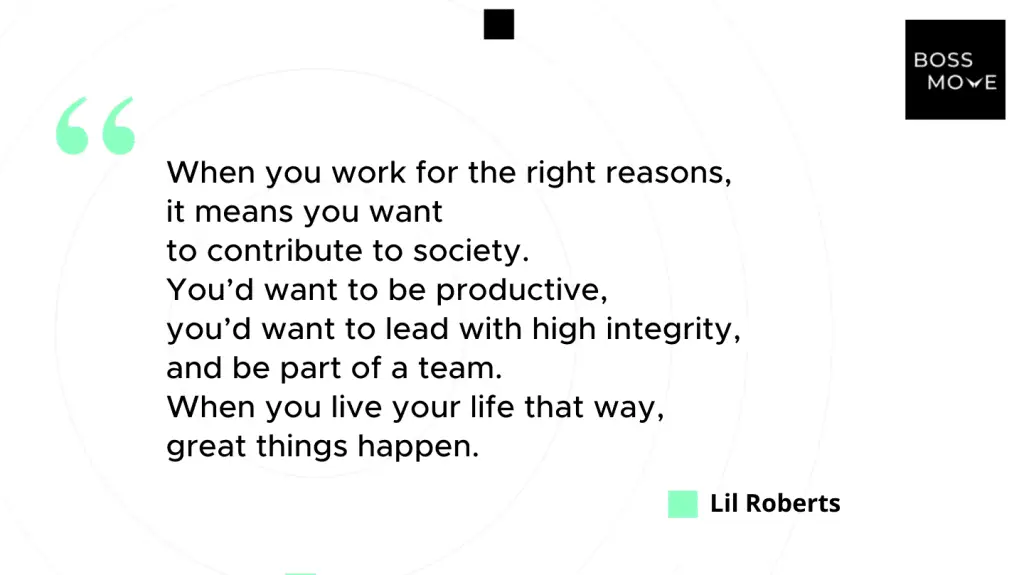
Success is not about luck and chance. It’s about visionary leaders who intentionally pursue the critical elements every business needs to be successful. Join Kison Patel from Boss Move Podcast and his guest Lil Roberts, Founder, and CEO in the episode Critical Elements of Success as they talk about the secret ingredients for success and how to get them.
Lil Roberts, CEO Joins The y.FTL Panel at Endeavor Miami

Endeavor Miami hosted their y.FTL panel, the second panel in their y.FLORIDA series. Lil Roberts, xendoo’s CEO was one of the speakers. As Florida’s entrepreneurial ecosystem continues to develop they will continue to shed light on the strength of Florida’s entrepreneurs. Honored to be part of an amazing night with incredible people!
These are the women in Miami tech you need to know | South Florida Business Journal
The Miami tech movement wouldn’t be what it is without the women founders, executives, nonprofit leaders, and venture capitalists who have spent years championing the region’s innovation community. An article by Ashley Portero, Senior Reporter, South Florida Business Journal. Read more here
Low-Burn | Scaling Your Startup S2 E8 with Neyborly’s Ben Seidl & xendoo’s Lil Roberts | E1224
When it comes to financial health as your scaling your startup there are six steps to healthy financials for scaling your startup. Watch for insightful tips for your small business by our CEO and Founder Lil Roberts, at This Week in Startups – Scaling your Startup. E1224 of Low Burn.
4 Reasons Why Digital Transformation Is Table Stakes for Small Businesses

Small businesses are making the leap into digitalization to respond to evolving consumer behavior and expectations, adapting to new working norms, putting data to work to drive performance and building business resiliency.
Profile of a Founder: Lil Roberts of xendoo
We believe business owners should have time to do what they love, build their business – not do bookkeeping.
Importance of LIVE events & What’s the Future of Ecommerce | Lil Roberts | Ep. 173
The new buying habits are post-pandemic! What to expect? xendoo CEO and Founder Lil Roberts is back to share with us the new buying habits post-pandemic and how eCommerce fits into retail’s post-pandemic future. “We believe business owners should have time to do what they love, build their business – not do bookkeeping.”
Online Bookkeeping Provider xendoo Now Helping Small Businesses in 46 States, 12 Countries
One of Broward County’s biggest startup success stories continues to grow at a rapid pace. Fort Lauderdale-based xendoo has developed a SaaS bookkeeping platform targeted at small businesses. The startup reported a two-year revenue growth of 777% from 2018 through 2019.
Best Real Estate Accounting Tips for Agents and Brokers

Editor’s Note: This post was originally published in November 2019 and has been revamped and updated for accuracy and comprehensiveness. As the owner of a new real estate business, you’re probably aware of the unique characteristics of your industry. You take a personal interest in the real estate market, and you are excited to do great work for your clients, whether buying or selling pieces of property. But here’s the thing—running a real estate business is about more than making great deals. Accounting plays a major role in staying organized, managing taxes, and making smart decisions in any business. Why accounting is important for real estate businesses Setting up your real estate accounting system the right way will enable you to minimize the labor and stress involved in large-value transactions, extreme income fluctuations, employee pay formulas, and government regulations. These tips are for you if your business is: Real estate broker or agent Property management Building construction Residential sales Real estate investment management Another reason to keep accurate financial records is that you will probably have to show them to interested parties at some point. These entities include: Lenders Shareholders Creditors Government bodies (e.g., the IRS) There are many motivations to keep accurate books. And, contrary to popular belief, doing so does not have to be a major headache or hassle. With a service like xendoo, you can outsource your bookkeeping and tax work to focus on what you do best. For more information, check out this post on how to choose the right software to simplify your real estate accounting. Learn the Regulations Did you know that it is not just real estate transactions that local and state commissions oversee? These bodies also oversee the financial management of a real estate business, so playing by the rules is essential. Therefore, it’s a good idea to familiarize yourself with their requirements before making any decisions about your bookkeeping system. If the language is unclear, consult a professional accountant who specializes in real estate. It’s far better to spend extra time setting up your accounting procedures properly at the start than trying to untangle a mess when you run into trouble later on. Choose Who or What Will Do Your Real Estate Accounting For real estate professionals, the most viable options are: Hire an accountant as a full-time employee Outsource accounting services Accounting software used by management or other designated employees Hiring an accountant to work in-house is undoubtedly a powerful approach, but it will be costly and likely beyond the scope of many real estate businesses. On the other end of the spectrum, acquiring accounting software to manage the books yourself or amongst your team might be difficult if no one has proper accounting training or the time to dedicate to ensure your books are up to date. Even minor accounting mistakes can add up to bigger ones down the road. It’s the middle ground – outsourcing accounting tasks to a third party like xendoo – that will make the most sense for many real estate agents and brokers. This option keeps the costs down while still freeing up your time and utilizing experts to make sure the work is done properly. Select Your Accounting Method You have two choices: cash basis or accrual. Once you make a choice, you must stick with it, unless you submit a change request to the IRS. (Your first tax return shows the IRS which one you chose in the beginning — you don’t have to submit any forms for that.) Cash basis accounting is often preferred by small businesses because it’s easier to maintain, and it tells you how much money you actually have in the bank on any given day. Accrual accounting is usually the choice of larger companies because it portrays a more accurate portrait of your real estate business’s financial performance. Accrual accounting also allows you to better your long-term plan, which is helpful if you are thinking about expanding your business. Create a Chart of Accounts This complete index of your company’s transactions is essential for knowing how you stand. It will save you many hours of work when you need to measure performance, generate a report, locate past transactions, or prepare tax returns. The chart of accounts is organized into categories for easy sorting and retrieval. These categories can be anything you need. Under Assets, they might include Cash, Accounts Receivable, and Vehicles. Under Liabilities, you might have sub-accounts such as Accounts Payable, Loans, and Payroll. Keep Business and Personal Transactions Separate Don’t fall into the bad habit of pulling out your business credit card or checkbook to pay personal expenses — or vice versa. Without fail, it will cause more problems than it solves, including inaccurate books, tax mistakes, and cash flow issues. Real estate accounting shouldn’t be complicated, and this is one of the golden rules that can keep things simple—don’t make personal purchases with business accounts. Opening a separate bank account and a credit card strictly for your business will also make you look more professional to your customers, creditors, and investors. Fool-Proof Accounts Receivable Collecting payments that are owed is one of the biggest headaches for small businesses. Prevent delayed and missed payments with an automated invoicing system that: Sends invoices promptly Includes all the necessary information Offers several convenient ways to pay Tracks and contacts delinquent payers With an automated system in place, you’ll save time and avoid missing out on revenue that slipped through the cracks when you were too busy to track it down. Reconcile Your Bank Account Every Month Reconciling your bank account means checking that the transactions listed on the bank statement match what you have in your books. This process will identify any discrepancies so you can figure out why they happened and make a plan for avoiding those issues in the future. Usually, it’s something simple like a financial transaction that’s recorded in your books, but the bank hasn’t processed it yet. However, it could be
Recipe for Success: 5 Must-Have Ingredients of Restaurant Bookkeeping

Editor’s Note: This post was originally published in September 2019 and has been revamped and updated for accuracy and comprehensiveness. As a busy restaurateur, it’s easy to push restaurant bookkeeping tasks to the bottom of your priority list. After all, you have better things to do – right? Not so fast. Restaurant bookkeeping is an essential function for businesses large and small, as accurate, reliable numbers are essential for sound decision making. Also, there is the whole matter of taxes to consider. Safe to say, it’s better to get things right the first time with bookkeeping, instead of paying for your mistakes later on. To help get your restaurant accounting processes on the right track, we have assembled the following five tips. 1. Record Sales Daily It’s dangerously easy to fall behind on recording your sales. In fact, one of the reasons that bookkeeping for restaurants is often a mess is simply because owners and managers fall behind on basic tasks. To stay up to date, make a habit of copying or importing the sales from your POS system into your accounting software each day. What you’re aiming for are books that correlate with your bank statements. If you save up all those credit card charges for a weekly or monthly deposit, you’ll have a hard time doing analysis later. Ideally, your accounting software and POS system are integrated so that this is done automatically. At xendoo, we integrate your bank transactions with your books, so data entry is always up to the minute. Automating this process not only saves you the time of doing the work manually but also greatly improves accuracy. 2. Reconcile Bank Statements Every Month Yes, your bank statements should be reconciled every month. No, it’s not a good idea to let them sit around for 3, 4, 5, or more months. If you’ve forgotten to enter a payment or a sale in your books, but that payment or sale has been processed by your bank, it will be easier to correct the error if you catch it quickly. In an extreme case, not knowing how much you really have in the bank could lead to bounced checks. For every account that you receive a monthly statement — bank, credit cards, lines of credit, and loans — compare what their statement says with what your books say. If there are discrepancies, track down what happened and fix it. Of course, if you outsource bookkeeping to a service like xendoo, you can keep up with this task while keeping your personal schedule open for other responsibilities. 3. Pay Your Bills Promptly Vendors love customers who pay on time – or even early. Doing so will get you better deals and early payment discounts. On the flip side, being late will rack up interest charges. Staying on top of your bills, along with managing labor costs properly, are keys to keeping your financial house in order. To make sure this happens, you should have a reliable Accounts Payable process in place. Your A/P system will record invoices, pay bills online with a credit card or digitally generated checks, and automatically enter the expenses in your books. Record new invoices once or twice a week and make payments once per week to stay current. 4. Take a Close Look at Your Financial Reports Anyone can quickly glance at the bottom line of a financial report—but those numbers only tell a portion of the story. It’s the details that you need to understand, and those can be gathered if you take the time to read through your restaurant bookkeeping reports carefully. Your profit & loss statements and balance sheets can reveal crucial statistics for a restaurant business such as: Profit margin: gross profit ÷ total revenue Sales vs. cost of goods sold ratio Prime cost: ideally food + beverage + labor = 60% – 65% of total sales Compare current profit & loss to previous months and years Profit margins are notoriously tight in the restaurant industry. Having current information about your financial health is just as important as creating tasty food or offering great service. That’s why xendoo guarantees delivery of your P&L statement by the 5th business day of every month. 5. Nail Your Taxes. It’s worthwhile to track down as many tax tips for restaurants as you can find since taxes make up such a notable expense every month. One of the best ways to stay on top of taxes and avoid paying more than is necessary is to keep detailed, accurate records of everything that takes place in your business. Extra Ingredient: Outsource Your Payroll Payroll processing can be quite time-consuming, especially given the complex shift scheduling of most restaurants. It also comes with high penalties if you make mistakes in calculating payroll taxes, or don’t file the taxes on time. Payroll services are generally affordable, and can often be bundled with other accounting services. xendoo offers packages that include payroll processing for a budget-friendly flat monthly fee. Documentation is the name of the game in accounting, yet many restaurants – and businesses in other industries – fall short when doing their own bookkeeping. Working with xendoo is a big step in the right direction when it comes to documentation and record keeping. And, of course, xendoo can manage your tax filing as well, so there is nothing lost in translation when going from one service to the next. As an all-in-one bookkeeping and tax filing solution for your restaurant, tax season will no longer feel like the nightmare it once was.
How to Choose the Right Software to Simplify Your Real Estate Accounting

Editor’s Note: This post was originally published in June 2018 and has been revamped and updated for accuracy and comprehensiveness. Let’s face it, bookkeeping for a business in the real estate industry is complicated. That holds true whether your niche is sales, management, construction, or tax and legal services. Unlike some other types of business, you must deal with variables like fluctuating income, expenses, payroll, and property values, not to mention a heavy load of government regulations. All these factors must be accounted for completely and accurately to control profit margins, satisfy clients, and be prepared for tax filing. It’s a big hassle if you’re doing it the old-fashioned way, creating custom spreadsheets and writing down transactions in a ledger. However, the right real estate accounting software will do many accounting tasks for you automatically, leaving you free to focus on your core business. Real estate business payroll Processing payroll is a core function for any business. Using accounting software that takes some of the hassles out of completing payroll each period can save you time and keep your records accurate year after year. Your business may have one or more of these types of workers: • Commission • Salary plus commission • Salary • Independent subcontractors As it relates to real estate accounting specifically, choose software with a payroll feature capable of calculating commissions and tracking those amounts for income tax withholding. Similarly, you should categorize payments made to independent contractors, as those are typically not subject to withholding. Real-time remote work tracking Whether your people are out on a building site or showing homes to prospective buyers, a cloud-based management app will give them access to the office. At the same time, the office is tracking their activities. Info on everything from materials used to schedule changes can be updated and shared with everyone in real-time. A system that integrates all departments saves time and money for workers and managers. It also means that data from the field is incorporated into the books automatically, eliminating duplicated effort and potential errors for the accountant. The inherent challenge with real estate accounting is the many moving parts involved—everything doesn’t happen in the same place. Leveraging technology to automatically collect all of this information and incorporate it into a bookkeeping system is sure to lead to better results. Breeze through tax time The topic of taxes will come up again and again in the search for the right real estate accounting software—and for a good reason. Taxes aren’t only necessary because they are a legal requirement but also because they can represent such a significant expense. If your real estate business holds properties, for example, the property taxes alone can take a big chunk out of your bottom line. You can’t get away from paying taxes, of course, but you can use good accounting software and a tax filing service like xendoo to make sure you don’t pay more than your share. Streamline operational expense recording One of the best real estate accounting tips you can receive is to enter all of your transactions each day. Suppose you wait until a week before your tax return is due to get your books updated. In that case, you’ll be facing a major headache and the likelihood that there will be errors beyond tax filing. Keeping your figures up to date will also reveal when and where you’re losing money. This makes it easier to make sound decisions and avoid spending too much time on a losing endeavor. Consider accounting software that integrates with your bank, recording every transaction automatically and saving you a great deal of time and paperwork. Plus, you’ll be ready for an audit any day of the year. Many real estate professionals – and professionals in other industries – feel like they are constantly behind on accounting. The key to getting ahead of the game is not to spend more of your precious time on the task but rather to streamline it using the right real estate accounting software. Financial reports data access Using cloud-based software allows you to see your financial reports or share data with your accountant anytime, anywhere. And with no need for in-house servers to store your data, you’ll mitigate the risk of losing your data and bring down IT expenses as well. If you are currently storing all of the financial data for your business on a single computer in your office, you are playing with fire in terms of data loss risk. Turning to the cloud leaves you with off-site storage that is backed up and secure. Two noteworthy options Most real estate businesses won’t need to take their accounting software search beyond two of the market leaders—Xero and QuickBooks Online. Each of these options includes all of the features you are likely to need to keep the financial side of your business in order. And, as an added bonus when working with xendoo, we can provide you with a discount on either one of these two excellent accounting platforms. xendoo believes that cloud-based accounting is the right choice for any real estate business looking to increase growth while reducing inefficiencies. By automating bookkeeping chores, we eliminate the hassles, the mistakes, and more than half the costs of traditional accounting. Our real estate accounting service will leave your business ready at every moment to meet challenges and seize opportunities for success. [av_sidebar widget_area=’Blog Post Disclaimer’ av_uid=’av-om2w’]
7 Tax Tips for Independent Realtors

Editor’s Note: This post was originally published in November 2016 and has been revamped and updated for accuracy and comprehensiveness. As a self-employed realtor, you face some unique challenges when tax season comes knocking at your door. Since you don’t have taxes withheld from a regular paycheck, it’s up to you to lessen your tax burden by identifying all of the deductible expenses you incur throughout the year. Without careful planning, the tax bill you face when April rolls around can be quite a shock. But here’s the good news: there’s probably more you can deduct than you realize! By carefully assessing not only your properties but your business as a whole, you can hold onto more of your hard-earned cash at tax time. The following tax tips for real estate agents are a great place to start looking for valuable deductions. 7 Tax Tips for Real Estate Agents #1 – Mileage & Auto Expenses Realtors tend to spend a lot of time behind the wheel. The miles you rack up can include getting to appointments, taking clients to see new properties, and staging homes. Don’t also forget to include car maintenance like new tires, tune-ups, and even car washes! At tax preparation time, you will need to determine whether the standard or actual cost deduction will save you the most money. #2 – Office Space Whether you pay desk fees under another agent or work from a home office, the IRS allows you to deduct the cost (or a percentage of) your office space. Depending on your situation, this could be a rather significant expense over the course of a year, so you don’t want to miss out on this deduction. It’s important to note that you won’t be able to deduct both the desk fees you pay and the space you use at home for an office. Instead, you can only deduct one or the other – whichever is greater. Keep careful records of how much you spend on any office-related rent and purchases, so you have an accurate accounting of this component when it comes time to file. #3 – Marketing Business cards, website maintenance, mailers – any method you use to get your name out there is deductible as a business expense. Did you have a new logo designed? Maybe you purchased a mailing list? Those are included, too. Unfortunately, many agents simply fail to track these kinds of costs throughout the year. The money just goes out to various vendors and services, and a (digital) paper trail is not kept up. This can be an expensive mistake. Instead, by utilizing online bookkeeping for real estate agents, you can adequately record all marketing expenses along the way, saving them in one central location for use at tax time. #4 – Supplies & Equipment Think of all the tools you use to run your business: a nice camera to photograph properties, your computer, lockboxes, and staging decor. Did you buy a new vacuum to clean up that “fixer-upper” you were showing? Work-related cleaning supplies are also deductible! Once you start keeping careful track of everything you purchase, you might be surprised to find how many items fall into this category over the course of a year. #5 – Licenses & Fees As a real estate agent, you are all too familiar with the various fees you pay throughout the year. Fortunately, MLS, brokerage, and legal fees — to name just a few — are all deductible. You can even deduct professional membership fees — just remember that any portion of dues designated for lobbying or political advocacy is not deductible. And don’t forget about your state license renewal. #6 – Meals & Entertainment Do you take clients out for lunch after a morning of showing properties? Did you meet up with a prospective business partner for happy hour? Did you cater an open house? If you discussed business before, during, or after the meal, it could be deducted on your tax return. Using the right accounting software will make it much easier to track all of these types of casual expenses throughout the year. #7 – Professional Development Staying at the top of the real estate market in your area means you’re always looking for ways to expand your learning and stay on top of industry trends. Professional development events, along with any trade events, can be deducted. Also, books you purchase or publications you subscribe to can be subtracted from your revenues. Utilizing the services available from xendoo can help make tracking all of your business expenses a whole lot easier, so you can spend more time selling and less time worrying about next April. Get started today! [av_sidebar widget_area=’Blog Post Disclaimer’ av_uid=’av-om2w’]
How Your Small Business Can Prepare for Florida’s Minimum Wage Increase

In recent years, we’ve seen a reopening of the debate over minimum wage. Advocates are currently pushing for an increase to $15.00 per hour by 2026, with the door open to possible increases in the years after that. If you’re a worker, this is good news. A slight bump in the Florida minimum wage can increase the pay you receive, compensating for rising costs of living and other expenses. However, if you’re a small business owner, this wage increase can lead to tough decisions. Unless you’re a corporate giant, it can be tough to maintain your current roster of employees if you have to pay them more. In this post, we’ll help you to prepare for the coming changes in the Florida minimum wage. We’ll also provide suggestions about the best ways to navigate the road ahead. What is the Current Florida Minimum Wage? As of January 1, 2021, Florida’s minimum wage has increased from $8.56 per hour to $8.65 per hour. Tipped employees have seen a recent increase in their wages, rising from $5.54 per hour to $5.63 per hour. According to federal law and in some states, like Florida, employers may pay tipped workers less than the mandated minimum wage. This is called a “tip credit” as employees earn enough in tips to make up the difference. The “credit” is the amount the employer doesn’t have to pay. So for employers, the applicable state or federal minimum wage minus the tip credit is the least amount the employer pays tipped employees per hour. If an employee doesn’t make enough tips during their shifts to earn the hourly minimum wage, the employer has to pay the difference. Are There Plans to Change the Florida Minimum Wage After 2021? These changes will not stop in 2021. In November of 2020, Florida residents voted to raise the Florida minimum wage to $15.00 by 2026. The minimum wage increases will take place in a phased approach, raising the minimum wage each year on September 30. The proposed schedule will run as follows: $10.00/hour on September 30, 2021 $11.00/hour on September 30, 2022 $12.00/hour on September 30, 2023 $13.00/hour on September 30, 2024 $14.00/hour on September 30, 2025 $15.00/hour on September 30, 2026 While there are no specific plans after 2026, the minimum wage increase may increase based on changes to the federal Consumer Price Index for Urban Wage Earners and Clerical Workers in the South Region. How Should Small Business Owners Prepare for Florida Minimum Wage and Paid Leave Increases? If you’re a business owner, don’t panic. At xendoo, we understand the unique challenges facing today’s small business owners. Here are some suggestions on ways that your business can prepare for changes in the Florida minimum wage: Audit Your Expenses How much are you already spending on overhead, supplies, and operating costs? You may be able to cut a few corners with certain expenses or by eliminating wasted spending. The money you save can be channeled into your human resources budget. Determine Your Budget Using these increased wage figures, calculate your new operating budget. Forecasting your operating expenses will let you know what you’re dealing with and provide an idea of what your income needs to be to maintain your profit margin. Update Your Tech Stack A tech stack refers to the digital tools you need to run your business. An update can help you to automate your social media presence, streamline scheduling, or integrate automated forms into your company’s website. These improvements optimize your business without the need for additional personnel or work hours. Check Your Employee Classifications How many full-time employees do you need? How many part-time employees do you need? Of course, you don’t need to start considering downsizing, but at the same time, it can be helpful to consider what your future needs may be. Staff Accordingly You may find that in the future, you can get by with fewer staff members. Perhaps you can rely on part-time staff to fill roles that you currently staff with full-time employees. Gradually Increase Prices Your new operating costs will probably push you to increase your prices to maintain your profit margin. However, raising prices slowly will give your loyal customers time to adjust while still ensuring you get the revenue you need. Outsource Your Back Office Are you still handling your own bookkeeping and accounting? Paying an employee to handle these specialized tasks may put a strain on your operating budget. Instead, outsource these tasks to a company like xendoo. We can keep your company up and running without allocating your employees to do the job. Contact xendoo Today The increase in the Florida minimum wage might mean big changes for your business. At xendoo, we can help you stay ahead of the curve, adapt to these changes, and remain healthy and profitable. We understand the challenges that Florida small businesses face. We can provide small business owners with Florida bookkeeping services that ensure accuracy and efficiency so that you don’t have to allocate precious resources to maintaining the books. We can also help you with your Florida tax preparation, helping you to navigate the laws and changes that are likely to come your way in the immediate future. [av_sidebar widget_area=’Blog Post Disclaimer’ av_uid=’av-om2w’]
Pros and Cons of Putting Your Small Business on Amazon

Ecommerce is booming. Total revenue will reach nearly $4.6 billion in 2021 and grow at an annual rate of 4.6% over the next five years – reaching $5.6 billion by 2025. It’s easy to see why owners of small and medium businesses are asking themselves how they can get a piece of the eCommerce pie. One popular option—the Amazon small business marketplace. In the first quarter of 2021, 55 percent of the units sold on Amazon were from third-party sellers. For a company with sales of more than $300 billion, that’s more than pocket change. But what are the pros and cons? And is it worth the trouble? What is Amazon marketplace? The Amazon marketplace is an eCommerce platform that allows independent vendors and sellers to sell their goods on Amazon. The platform allows Amazon to forego the typical retail model, where it sources materials, then produces and stores each of its products until shipment. Instead, third-party vendors put products on Amazon and take care of the details, while Amazon gets a cut of the profits. What are the pros of selling on Amazon as a small business? There’s no question that Amazon is popular with small businesses: In 2018, nearly three-quarters of Amazon sellers had between one and five employees. And Amazon for small business does have plenty of benefits, like the following. You can reach a larger audience One of the biggest benefits of selling products on Amazon is that it can connect you with a wider audience: There are more than 200 million Amazon Prime members worldwide, and that’s not counting site visitors who don’t subscribe to Prime. That’s a huge audience for Amazon small businesses. Amazon can take a lot of the work off your plate Getting set up with Amazon marketplace is relatively easy: Just sign up and add products to the catalog. If you want Amazon to do more work for you, you can sign up for Amazon FBA, or Fulfilled by Amazon, which allows you to use Amazon’s warehousing, packaging, shipping, and customer service. Amazon has tools to help you sell In addition to Sponsored Ads – which actually make Amazon the third-largest digital advertiser behind only Google and Facebook – Amazon small businesses have access to MerchantWords, a proprietary keyword research tool. It uses actual Amazon data to help you optimize your product names, descriptions, and ads. Amazon provides technical support Amazon Seller Central is the platform’s support team for Amazon small businesses. It’s available 24 hours a day, although most sellers will be required to submit a request and wait for a callback. Still, most sellers receive a prompt response and are happy with the support they receive What are the cons of selling on Amazon as a small business? Amazon Marketplace sounds pretty great, right? For many small and medium businesses, it is. But it also has a few drawbacks you should be aware of. It can be expensive With charges for selling, referral fees, and Amazon sales tax, the cost of selling on the marketplace can quickly add up. Sellers without a monthly plan will pay 99 cents per item sold, while those with a Professional Plan pay $39.99 per month. If you opt for extra features, like Fulfilled by Amazon, expect to pay more fees. If you are looking to start selling online there are options to secure ecommerce funding. It can be time consuming Getting set up with Amazon Marketplace is easy – understanding how to be successful there can be more time-consuming. Diving into the tools Amazon provides and optimizing your product take time. Plus you’ll need to figure out Amazon bookkeeping and accounting, inventory management, and more. The competition is fierce There were 1.1 million active Amazon marketplace sellers in the United States alone in 2019. Amazon Marketplace is also incredibly popular with Chinese merchants, some of whom sell products at super-low, factory-direct prices. You’ll even compete with Amazon’s own private label brands. And fake reviews abound on the platform, with competitors using bots to write thousands of five-star reviews at once. It’s Amazon’s world, you’re just selling in it Some Amazon small businesses feel they don’t have much power over the selling process. There are reports of Amazon punishing businesses for selling at lower prices on other marketplaces, or pressuring them to sign up for extra services. Should I use Amazon for my small business? There’s no one-size-fits-all answer to whether you should sell products on Amazon. Certain categories, like personal care, beauty, and home goods, seem to have greater success on the platform. Businesses with high margins, who can afford to give Amazon its cut, can also do well. However, success with Amazon for small business depends more on your ability to figure out what works for you than on the type of business. xendoo can help dive into your books and help you make a sound decision on whether to sell on Amazon Marketplace. If you’re already a seller, we can ensure your books are in order – allowing you more time to focus on selling. [av_sidebar widget_area=’Blog Post Disclaimer’ av_uid=’av-om2w’]
Sunshine Tax: Taxes for Small Business in Florida

Florida is among the most tax-friendly states in America and has seen huge growth, especially in their tech economy. If you have a small or midsize business in the state of Florida, you may be shielded from many typical forms of small business taxes. But how can you know which tax laws apply to your business? This post will cover some of the more common tax questions related to taxes for small businesses in Florida. What Types of Tax Liabilities Are There for Florida Small Businesses? Florida business owners should be aware of the following: Corporations that do business in Florida must pay a 5.5% income tax Florida has a sales tax rate of 6% S Corporations are exempt from paying state income tax Sole proprietorships, partnerships, and most LLCs are exempt from state income tax Florida residents do not pay a state income tax Business owners should expect to pay federal income tax on business earnings Business conducted in other states may be subject to additional state laws Because so many businesses are exempt from Florida state income tax, many small business owners can benefit from having their business shielded from traditional tax liabilities. Below, we’ll go into greater detail regarding the rules for taxes for different types of business entities in the state of Florida. What Kinds of Taxes Can an S Corporation Expect to Pay in Florida? In Florida, S Corporations are not treated as traditional corporations when it comes to taxes. Thus, S Corporations do not pay the state’s 5.5% corporate tax. S Corporations are also exempt from federal income tax. How is this possible? With an S Corporation, the income earned by the business goes directly to the business owners. The owners are then expected to pay federal income tax based on the income they receive from their company. However, this income is not subject to Florida state tax. How Are Small Business LLCs Taxed in Florida? An LLC can be classified in one of two ways. Typically, LLCs are designated to be partnerships or disregarded entities. However, in this case, the LLC does not pay Florida income tax simply because it is not classified as a corporation. However, some LLCs can be classified as incorporated. If they are classified as an incorporated business, the LLC must pay the standard 5.5% Florida state income tax—or at least the 3.3% alternative minimum tax. LLCs classified as corporations will file Form F-1065 if one or more of its owners is a corporation. The actual business owner does not have to pay tax to the state of Florida for the income they personally receive from the business, except in those cases in which the LLC is incorporated. How Are Small Business Partnerships in Florida Taxed? Business partnerships can be classified as general partnerships, limited partnerships (LPs), and limited liability partnerships (LLPs). Regardless of these specific designations, none of these partnerships are required to pay state income tax in Florida. However, the partners of these businesses are required to pay federal income tax on the money they receive from these businesses, based on standard income tax rates. But because Florida does not tax ordinary income, business owners of partnerships are not required to pay Florida state income tax. What Tax Obligations Are There for Sole Proprietorships in Florida? Florida treats a sole proprietorship like a partnership. The only difference is that the state looks at the distributed income to one proprietor instead of many partners. Thus, like partnerships, sole proprietorships are shielded from traditional state income tax. This also means that the proprietor is expected to pay tax on any business income he or she receives, though only to the federal government. Since it is considered to be personal income, the individual does not pay state income taxes. What If You Have a Multi-State Business? How Are You Taxed? For most organizations, there are no required taxes for small businesses in Florida. However, if you own a business in Florida but earn money from another state, you are considered to have a nexus in those states. Therefore, in these situations, your business may be subject to the tax laws in those states. Because different states have different state tax laws, this can be confusing. If you earn money in multiple states, it may be prudent to review nexus rules to see how they may impact your business. Let xendoo Help You Looking for Florida bookkeeping services? xendoo can help. We understand the rules regarding taxes for small businesses in Florida and help you keep your books up-to-date. We can even help with Florida tax preparation. When you have questions, contact the experts at xendoo. [av_sidebar widget_area=’Blog Post Disclaimer’ av_uid=’av-om2w’]
Best Small Business Invoicing Practices

Is getting people to pay their invoice balance a challenging part of running your own business? You are not alone. According to a report in Entrepreneur, on average, small businesses had $84,000 in unpaid invoices. Waiting weeks and sometimes months for the checks to arrive and managing cash flow in the meantime can be daunting, to say the least. Since invoicing isn’t the most exciting aspect of your business, we want to share these tips for small business invoicing to help you get paid faster, increase client relations, and save time and money. What is an invoice? An invoice is a bill generated by a vendor that lists details and costs for goods and services provided. You’re likely already invoicing your clients, but don’t forget it is a legally binding contract. Making sure your small business invoicing system is up to snuff can save you headaches down the road. Setting Expectations Review your contract template and make sure you set expectations for invoicing. Likewise, make sure your invoice aligns with what is in the contract. Include payment schedule, estimated totals, and project milestones for payment. Consider your software As you strategize for creating, sending, and organizing your invoices, we recommend automating as much as possible. Your accounting software likely offers a way to do this. At xendoo, we use QuickBooks Online and Xero, which both have invoicing solutions and are known for being the best accounting software options. If you’re considering an invoicing program separate from your accounting, ensure the two integrate and consider online payment processing. Clients love having the option to quickly pay online, so make sure your software can integrate with payments. The easiest method is the simplest—at xendoo we offer solutions with online bookkeeping services, accounting, invoicing, and integrated payment processing all in one. Make sure you include these basics in your invoices Dates: Include invoice creation date. Consider including the date the good or service was delivered in the summary. Unique invoice number: Especially important when sending multiple invoices to the same client. Client’s P.O.: During the contract phase, find out if your client uses Purchase Orders (P.O.s). A P.O. is an agreement between a vendor and a customer that outlines the purchase details and is issued by the client before work is performed. Contact information for all parties involved: Include name, address, phone, and email for both companies’ project and accounting contacts. Payment terms: Terms indicate how long the client has to pay you and are determined initially. Net 30 (due in 30 days), Net 60, and Due Upon Receipt are popular terms. Summary description of goods/services provided: Make it concise! A common way to summarize is to refer to completed milestones that were outlined in your contract. SKU numbers: If your company uses SKU numbers for goods/services, make sure to include them. SKUs are helpful when you need a pricing breakdown and to determine what goods are taxable. Totals: Include the cost for each line item, subtotal, taxes or discounts, and the final total. Late/early payment details: Consider charging an added percentage if the payment is late and a discount for early payments. Method of payments accepted: Indicate all options for how to pay and details. Let them know who to make a check out to and where to mail it, and include a link to pay online. Be straightforward Make your summary description brief while ensuring the client will understand how you arrived at the total. Do everything you can to make it easy for your client to pay you. Keep your invoice to one page. Send invoices as soon as possible An invoice should be sent promptly when the project has been completed. Your client will use the invoice as the first step in processing your payment and likely has internal steps to take before paying you. Therefore, the quicker you send the invoice, the quicker you get paid. Give your customer multiple ways to pay your invoices Consider including a “Pay Now!” button on digital invoices. Clients love the convenience of online payment and often take immediate action. And these online payments can sync with your accounting software and help you avoid the “checks in the mail” scenario. If you are issuing an international invoice, indicate which currency you accept. The Art of the Follow-up Frustrations aside, you must send professional follow-ups when you haven’t received payment. Consider making a schedule for follow-up emails in advance and writing templates, customizing them for each client. This might make the process quicker and less frustrating. Also, consider using read receipts. They are a great way to track when your communication was received and when to follow up. When a few emails aren’t enough, call your client. A brief, friendly call gives you another opportunity to connect with your client. They are likely receiving invoices from multiple vendors. Stand out by offering a friendly, professional demeanor. Don’t Forget to Say Thanks! Once you’ve received payment(s), send a thank you note. It’s an opportunity to remind your client what a positive experience it was to work together. Communication Strategy and Branding Consider your invoice a branding opportunity! Xero and QuickBooks offer customizable options to add to your logo, colors, and fonts. If you’re planning to mail a thank you note, keep it on-brand, too. Streamlining your small business invoicing process can help you retain customers, increase cash flow, and increase stability. In addition, your customers will remember your professionalism and gratitude. Sign up for xendoo today, and let us help with bookkeeping and accounting for your small business. [av_sidebar widget_area=’Blog Post Disclaimer’ av_uid=’av-om2w’]
Why You Should Hire an Experienced Florida Accountant

As a small business owner, you want to keep your head in the game. After all, you started your business because you’re passionate about the work you do, and you want to connect your products and services to customers. So why are you trying to juggle your own books? We understand the pressures that small business owners are experiencing. Handling your own bookkeeping and accounting may seem like an easy corner to cut, but the chances are that you’ll pay for it in one way or another. You simply might not be able to give your books the time and attention you need—a problem that can snowball out of control and leave you with a disaster once tax season approaches. There are many online accounting services available. You can’t discount the value and simplicity that these services can offer, but how can you be confident that these services will understand your local business or Florida state law? Unfortunately, accounting software is similarly generic and can only take you so far in navigating the needs of local Florida businesses. An experienced Florida accountant can help you with more than just the books. So let’s explore the various benefits of hiring a Florida accountant for your business. A Florida Accountant Can Help with the Legal Structure of Your Business On paper, businesses are largely defined by their legal structure. A business can be a limited liability company (LLC), a partnership or corporation, or a sole proprietorship. These structures are based on characteristics such as: Liability Taxation Fees and forms Investment needs and opportunities Maintaining operations When you set up your business, how will you consider these factors? This is where an experienced Florida accountant can really be helpful. Choosing an accountant can help your business to navigate these questions and ensure that your business is optimized according to Florida business law. A Florida Accountant Can Keep Your Books and Records Up-to-Date and Accurate Perhaps the most obvious benefit of working with a Florida accountant is that they can keep an eye on your books. Ideally, an experienced accountant will monitor your books all year long (or at least at regular intervals), which is vital when it comes to tax planning. A Florida Certified Public Accountant Can Help You to Understand Sales Tax Laws Tax laws are notoriously complicated. Sales tax laws in Florida are no exception. Unless you have a degree in accounting, you could quickly start tearing your hair out trying to stay above board. And if you slip up, your business could face stiff penalties for violating tax laws or failing to meet deadlines for your tax returns. This doesn’t just affect you — it will also affect your staff and your loyal customers. What about an eCommerce business? Organizations that work with out-of-state customers create a business connection called a “nexus” that requires them to pay sales taxes. An experienced accountant can help you to navigate these twenty-first-century questions and spare you the penalties that might come your way for improper financial reporting. This is where xendoo can be especially helpful. Our online financial experts provide tax services to a variety of businesses, but our real advantage is our understanding of the Florida economic landscape. Businesses looking for bookkeeping in Naples or bookkeeping in Gainesville, for example, can take advantage of our financial expertise and local knowledge. A Florida Accountant Can Help to Expand Your Business Are you looking to grow your business? An accountant can help with that, too. Good accountants can distill your financial statements into a digestible summary of your overall cash flow. Understanding your company’s financial health can be a great first step to discovering growth opportunities. An accountant can point out ways to leverage your assets so that your business can grow and flourish without sacrificing the organizational strategies necessary for filing taxes. When certified public accountants handle the books, you can focus on the day-to-day operation of your business. We Handle the Books; You Handle the Business Ready to hire an accounting professional for your small business? As you’ve seen, there are many benefits of hiring an accountant. The average base salary for a Florida accountant is over $50,000, plus benefits. Most small businesses simply can’t afford to hire someone for the position. If your company needs bookkeeping services in Orlando, where can you turn? This is where xendoo truly shines. With our localized knowledge, we can provide expert Tampa bookkeeping services as well as almost anywhere in Florida. You won’t have to pay a full-time professional or contract with expensive accounting firms. Businesses grow when they are well-managed, and an accountant can handle the books while you run the business. When you’re ready to stop juggling the books and get back in business, contact us and see how our online services can help your business to thrive.
Tips to Increase Retail Sales for Your Small Business

This past year has been incredibly hard on retailers, especially small businesses. Retail sales plunged more than 20% between February and April last year, but with pandemic restrictions easing, the industry is starting to recover. As folks are venturing out more, it’s the perfect time to refresh yourself and your sales associates on tips to help increase retail sales and work towards building your business back up! Make your customers feel safe Many people are finding it tough to return to their pre-pandemic selves quickly and are still moving with caution. Help them feel at ease by reminding them they are safe in your shop. Take note of what protocols major retailers are following. For example, hand sanitizer can be available at the entry and the register. Use signage to share your mask policy, cleaning protocol, and any policies on the dressing room or how to use ‘tester’ products. The safer customers feel, the more likely they are to purchase, which will help increase your retail sales. Curbside pickup and local delivery Many stores began offering curbside pickup and local delivery in 2020, and most customers have become accustomed to these services. Keep in mind that today’s customers value convenience, so continue to offer these alternative methods moving forward. Train your staff While refreshing your team on cross- and up-selling, ensure they are up to speed on the basics, too. For example, do they need a reminder on any specials or promotions you offer? Ensure they are experts on your store’s products and are as informed as possible on your customer service expectations. Please encourage them to think ahead about how they might answer specific questions customers might ask, including all frequently asked questions. If your staff can put your customers at ease, they are more likely to purchase from you than your competitors. The savviest sales associates know how to cross-sell and up-sell. When a customer is interested in one particular item, the savvy salesperson suggests a corresponding item to go along with it. “If you like that, you will love this, too!” Up-selling suggests a more expensive alternative to the item the customer is already interested in buying. “Oh, that one you have is great, but have you seen this (more expensive) version?” If your customer leaves with an item they will enjoy more and feel like they got a great deal, they are more likely to be a repeat customer, which can further help increase retail sales. Merchandising Make the way you merchandise or display your products a priority. Keep your displays fresh and regularly move merchandise around the store, creating a sense of newness and having your regular customers look at products they may have otherwise passed. Feature new and seasonal products near the entrance. Keep everything clean and organized, and ensure it’s easy to navigate the store. Keep popular and inexpensive items near the registers to encourage impulse purchases during check-out. It would be best to keep up on your inventory accounting to ensure that those displays have enough product. Make it personal 80% of companies are more likely to purchase from a company that offers them a personal experience. So, how might your store offer a personal touch? Branded items are a great way to connect with your customers creatively – ensure your logo or taglines are on bags, receipts, and automated email receipts. Consider slipping an extra treat into shopping bags, too. Perhaps a small button or magnet with your logo and website. And the best way to get personal is to connect with your customers. Make it a priority to chat, remember their names, and take note of the types of products that interest them. Loyalty programs Customers love loyalty programs! Many small businesses still enjoy using classic “buy 10, get 1 free” style punch cards, but there are great digital-focused loyalty programs, too. Options like Loopy Loyalty and Smile.io encourage customers to shop with you again and engage with your brand. And get creative! These programs offer ways to customize the program to match your branding and speak to your customers. As you build your loyalty program, ensure you aren’t creating an unattainable goal. Earning $5 for every $25 you spend feels much more exciting than earning $1 for every $50, right!? Make time to analyze Small retail store owners are notoriously stretched for time, but it’s essential to set aside time to review what sales tactics are working and what aren’t. Look at the numbers and strategically think about what might have led to increases or dips in sales on any given day. This is where having professionals like the team at xendoo manage your retail bookkeeping can go a long way. You can quickly review the numbers through accurate and timely reports and determine the most effective sales strategies. It’s an exciting time for retailers to have a fresh start! Seize the opportunity to train your staff on new sales tactics, refresh your inventory offerings and displays, and get creative with new ways for your customers to engage with your brand. By outsourcing your bookkeeping and accounting to the team at xendoo, you’ll save time and money, and you’ll finally have the data you need to be more strategic about increasing retail sales and remaining profitable.
Bringing Home the Bacon: A Profit Growing Guide for Restaurateurs

Editor’s Note: This post was originally published in February 2017 and has been revamped and updated for accuracy and comprehensiveness. It’s no secret that the restaurant business is tough, even in the best of times. Really tough. Even before the COVID-19 shutdowns, industry analysts estimate the failure rate for new restaurants in the first year was somewhere around 60%, with another 20% shuttering the doors before the 5-year mark. That’s only gotten worse during the pandemic, with hospitality being one of the industries hardest hit by shutdowns and restrictions. However, as bleak as that reality may seem, the restaurant industry is still viable, and there are things you as an owner can do to help increase restaurant profits and make sure you stay in the 40% that do well. Understanding Profits: Gross vs. Net When discussing how to increase restaurant profits, it’s important to distinguish between gross profit and net profit. Gross profit for a restaurant is defined as the price of the item minus the cost of goods sold, i.e., food cost. For example, if your signature lasagna dish sells for $20 and the ingredients to make it cost $7, your gross profit on that item is $13, and your profit margin is 65% (13 divided by 20). Industry norms and best practices suggest that food costs should run somewhere around 30%, which means that if your total sales for the month are $100,000, you should be spending roughly $30,000 with your foodservice vendor. Food costs that run higher than that can often be an indicator of excessive waste or theft (often referred to as shrinkage), so it’s essential to know your gross profit margin. Net profit is the amount left over after ALL operating expenses are deducted, not just food costs. That includes expenses such as labor, food cost, rent, utilities, equipment repairs or leases, insurance, etc. Because it consists of a much more expansive list of expenses than gross profit, net profit will necessarily be a much smaller number. Typical net profit margins have shrunk in recent years but typically hover around 3-5%. It’s critical to stay on top of your books and know exactly what your margins to increase restaurant profits because if you’re playing catch-up bookkeeping, you’re flying blind. Generally, when discussing how to increase restaurant profits, most people mean net profit because it’s the one that keeps the lights on for your business. With that in mind, there are two ways to boost your bottom line – you can increase sales or lower expenses. So let’s look first at ways to boost your sales numbers and increase your average ticket price or cover the average. Review Your Menu Pricing As we noted above, your food cost should be around 30% of your menu price, so you’ll need to calculate the plate cost of each menu item to help increase restaurant profits. To do this, first, make a list of each ingredient required to prepare the dish. Next, choose which unit of measure your foodservice vendor uses for the items (e.g., do you buy it by the pound, gallon, dozen, etc.) and identify your unit cost from your vendor. There may or may not be a yield percentage for the item, which would be waste from trimming or peeling the item before use. For example, certain cuts of meat may require trimming away fat or gristle, which reduces its useful yield. These can usually be found in standardized yield charts available from many vendors. Finally, do a similar calculation for the way you prepare the dish: 1. Select the correct serving unit, which is usually as simple as the unit of measure that your recipe calls for. 2. Calculate the serving unit cost by dividing the cost per measure by the number of serving units per measure. The cost per measure for items with no yield is the unit purchase price, and for items with a yield, the unit purchase price is divided by the yield percentage. For example, if you buy ground beef for $4 per pound and your serving unit is ounces, the serving unit cost would be $0.25 per ounce ($4 divided by 16 ounces to the pound). 3. Select your portion size, which is the quantity called for by the recipe. A simple plate cost for a hamburger and fries might look like this, assuming four potatoes to the pound and six slices per tomato: Ingredient Purchase Unit Purchase Unit Cost Yield Actual Unit Cost Serving Unit Serving Unit Cost Portion Size Portion Cost Ground Beef Pound $4.00 N/A $4.00 Ounce $0.25 5 $1.25 Bun Dozen $6.00 N/A $6.00 Each $0.50 1 $0.50 Tomato Pound $1.89 N/A $1.89 Slice $0.31 2 $0.62 Mustard Gallon $13.00 N/A $13.00 Ounce $0.81 1 $0.81 Potato Pound $2.00 .81 $2.46 Each $0.62 1 $0.62 $3.80 So we can see that the plate cost for this hamburger and fries meal is $3.80. Sticking to the rule of 30% food cost, the menu price of this item should be $12.50. If it’s less than that, it’s probably eating into your bottom line. Identify Your Menu Hits and Misses Now that you know your plate cost for each item on your menu, it’s time to compare those to some sales reports from your point-of-sale (POS) system to see where your profit is coming from. Create a spreadsheet with four categories and label them “HIGH PROFIT/HIGH SALES,” “HIGH PROFIT/LOW SALES,” “LOW PROFIT/HIGH SALES,” and “LOW PROFIT/LOW SALES.” Then, put each item on your menu into one of those categories to see where each item falls. Dishes that fall into the “LOW PROFIT/LOW SALES” category are candidates for removal in favor of more profitable offerings. Also, consider running daily specials that combine high-profit, low-sale items with big sellers to help move those lower selling items to get that incremental revenue. Up-Sell and Cross-Sell Effectively It’s impossible to overstate the importance of staff training in proper selling techniques to increase restaurant profits. Train your service staff to offer customers an
How to Change from an LLC to an S Corporation

Remember back when you had to decide on a name to register your new business, forming a limited liability company—LLC? Now your small business has grown up thanks to your hard work and dedication. You may have outgrown your current legal status and it’s time to change from an LLC to S Corp to gain additional tax benefits that you’ve earned! Since determining the status of your business is important to its success and potential, we’ll break it down for you. What is an S Corporation? Under “S” corporation status, the small business owner’s income, losses, deductions, and credits “flow through” to you and are reported on your personal tax returns and assessed at your individual income tax rate. S Corp status is great for small businesses because you have the LLC protection from losses beyond your capital investments, while still providing you with the flow-through taxation. How is an LLC Different from an S Corporation? As an LLC owner, you could lose everything you have invested in the business, but your personal home, bank account, and other assets are protected. The main differences between an LLC and an S Corp are: An S Corporation isn’t a business entity like an LLC—it’s an elected tax status. LLC owners must pay self-employment taxes for all income. S corp owners may pay less on this tax, provided they pay themselves a “reasonable salary.” LLCs can have an unlimited number of members, while S Corps are limited to 100 shareholders. Why you should consider changing from an LLC to an S Corp Here are three great reasons to change from an LLC to an S Corp: Self-employment taxes S Corp distributions aren’t subject to FICA/self-employment taxes. This is one strategic way to minimize self-employment taxes, making it a great business structure for consultants, sole-proprietors, and more. If you have an S-Corporation and are active in the business, you must pay yourself a market-rate salary for your work The IRS won’t let you pay yourself entirely in distributions to avoid self-employment tax. Tax-preferred retirement savings You can contribute more to retirement accounts with an S Corp than an LLC because with an S Corp you can set up a Solo 401(k) in addition to a Roth IRA. Easier to scale S Corps allows for a smoother transition from a C Corp. Stockholders are required to report their percentage of the profit/loss whether or not they actually receive that money as a distribution. If you own 100 percent of an S Corp and it makes X dollars in profit, you can keep that money in the business to make purchases next year. You are still required to report the profit on your individual tax return. If you anticipate keeping a significant amount of money in the business, you may be better off as a C Corporation. How do I change from an LLC to an S Corporation? If you decide to change from an LLC to an S Corp for federal tax purposes, you can simply make an election for the LLC to be taxed as an S Corporation. All you need to do is fill out a form and send it to the IRS. Once the LLC is classified for federal tax purposes as a Corporation, it can file Form 2553 to be taxed as an S Corporation. With this approach, you don’t change the actual entity type, only the federal tax classification. Even though the IRS classifies the LLC as S Corp, it is still an LLC and may be taxed as such by the state where it is formed. To change the actual entity structure you must formally change the LLC to an S Corporation with the formation state. If the simple conversion process is not allowed by the formation state, then you can do the following: send the IRS a letter informing them of the structural change choose to be an S Corporation by filling out IRS Form 2553 cancel the LLC while filing with the state for a new corporation Is Switching from LLC to an S corp right for my business? When you’re ready to change from an LLC to S Corp, we recommend that you consult an accountant or tax preparation services to make sure there are no mistakes that could cause you to lose your money-saving tax status. Your xendoo team of small business accounting experts can help you find the right solutions for your small business, and take the hassles of tax prep and filing off your shoulders. Whether it’s the 1120S, 1120, or 1065, xendoo’s CPAs will file the right return for you, right on time. With bookkeeping, tax consulting, and tax filing all under one roof, your U.S.-based xendoo financial team is here to answer all your questions and to file your business and personal taxes. We’ll do what we do best — and let you get back to doing what you do best to make your business a success. Sign up today. [av_sidebar widget_area=’Blog Post Disclaimer’ av_uid=’av-om2w’]
How to Setup Your Online Store to Integrate Accounting Software

You’ve set up your online store set, and orders are starting to come in. But in your rush to pack, ship, and sell, there’s a good chance you haven’t made time to integrate accounting software with your eCommerce software. By downloading a third-party app plug-in, you are just a few clicks away from saving time and money by automatically sharing data between your accounting and eCommerce programs. It sounds like a lot of work, but it’s simple! Most popular online accounting software options like QuickBooks, Xero, and FreshBooks all have a menu where you can search for compatible app plug-ins. And most popular eCommerce programs like Shopify, Squarespace, and WooCommerce have a corresponding app available from a third-party software developer. So you can easily install an app to sync the two programs! What to Look for E-Commerce Accounting Software As soon as you begin spending or making money, it’s time to set up your eCommerce bookkeeping and start accounting. There are many affordable online eCommerce accounting software options available. Programs such as QuickBooks Online or Xero store a business’s financial data in the cloud and are always connected to the internet. In addition, they automatically receive and update your data by connecting to your bank accounts. Sounds easy, but not all accounting programs are the same, and there is a lot to choose from. When deciding which program is best for you, you’ll want to consider the following: Compatibility – Does the program work with all of the devices you plan to use? How many users can be simultaneously logged in? Can your international team members log in, too? Cost – Many options have a free plan, but the pricing goes up as your business scales and grows. Support – What are the customer service options? Does the program offer expert bookkeepers and accountants you can hire to take on the work when you are ready to delegate? Can they help you file your taxes? Additional Services – All of the programs offer basic bookkeeping and financial reporting, but what kind of extra offerings does the software have? Some eCommerce trends include hefty employee management solutions to help with payroll, time tracking, and benefits, while others may offer project management tools. Some offer payment processing through third-party partnerships. Integrate accounting software with your eCommerce program – Make sure the two programs sync so you can limit the amount of data entry you are doing. Ideally, you will be able to eliminate manual data entry of sales, invoices, customers, products, and more. Most popular eCommerce software options, such as Squarespace and Shopify, integrate easily with third-party app plug-ins compatible with accounting programs like QuickBooks and Xero. Once synced, your inventory, orders, customers, and shipping can be automatically updated and will stay accurate. And getting started is easy! Most of these integrations only require a quick authorization and a few clicks to import your eCommerce data into your accounting program. Below is a list of some popular eCommerce platforms that offer integrations with popular online accounting software programs. Keep in mind that this list isn’t exhaustive, but these are the most popular eCommerce platforms that easily integrate with accounting software like Xero and QuickBooks Online. Squarespace WooCommerce BigCommerce Shopify Square Integrating your accounting software with your eCommerce platform can help save you time and money. You’ll be able to get an instant view of your financials, allowing you to plan your sales strategy more effectively. As your eCommerce business grows and you decide to sync your eCommerce software with your accounting software, there are many aspects of eCommerce and accounting that you will want to keep in mind for this integration. For example: Inventory Management – You will want to be able to connect multiple sales channels such as your brick & mortar’s Point of Sale, your Online Store, and your Pop-up location to ensure stock levels always stay up-to-date. Choosing the correct payment gateway – Does the available option match your needs? Will international business be supported? Tax settings – How does the software help you with your sales tax reporting? What role does it play in monitoring important tax deadlines? Why You Should Outsource Your E-Commerce Bookkeeping and Accounting As your eCommerce business grows, you will want to outsource your bookkeeping and accounting to professionals. Even though app integrations with the best accounting software for small businesses are great, many automatic tools such as your monthly reconciliation can be inaccurate. Even a minor error in your bookkeeping can have a ripple effect and lead to everything from your financial reports being inaccurate to your marketing budget and your tax payments. It’s best to have an experienced set of eyes on it! These professionals can even find tax breaks you were missing and help you save even more money! Spend more time growing your business and less time crunching the numbers by working with the team at xendoo. [av_sidebar widget_area=’Blog Post Disclaimer’ av_uid=’av-om2w’]
9 Common E-Commerce Accounting Mistakes to Avoid

As a new business owner, you have a lot to manage on your eCommerce site. From making sure that customers can easily find what they need to creating an easy path to purchasing your goods, it may leave less time to tidy up the little things in your accounting processes. However, these mistakes and misses can snowball into significant issues that could cost your eCommerce business profits and customers. To make sure your business is running efficiently from top to bottom, here are nine common eCommerce accounting mistakes that you need to avoid. Not adjusting your inventory levels Inventory levels play a significant role in your profit & loss, balance sheet, and cash flow forecasting. Not adjusting your inventory levels is a mistake that can carry over from one accounting cycle to the next and affect all your reports. It may be time-consuming, but doing a physical stock take is essential to avoid this mistake. Fortunately, technology is on your side, and there are many excellent inventory control applications to help you streamline the process. Sticking with spreadsheet or paper ledgers While it is good to have a backup, manual entry, especially those not saved to the cloud, can cost you when it comes to tax time. As your business grows, you will need more than a digital spreadsheet to keep your accounts in order. Manually combing through all your sales and entering them is highly time-consuming, and chances are, as an eCommerce business owner, it is time you do not have. Unless you are meticulously keeping up with sales tax and the like, you may end up costing yourself more than you make. If you haven’t already, it is time to upgrade to accounting software like Xero for eCommerce or QuickBooks for eCommerce. Both of these accounting softwares can sync with your website, do a lot of the grunt work for you, and help you avoid this eCommerce accounting mistake. Still, you will need to have an eye on your accounts to make sure everything is accurate. xendoo’s eCommerce bookkeeping service can help ensure your books are up to date and accurate, giving you more time to focus on your business instead of your books Mixing business accounts with your personal accounts While it may seem convenient to use your personal accounts for business-related purchases, mixing the two can create more problems down the line than it solves. Maintaining separate business and personal accounts is the best practice. You can take advantage of several tax benefits with a business account. It allows you to keep the proper line of sight over business income and expenses while avoiding accounting nightmares and potential liability issues if you get audited. Not monitoring your cash flow You may be seeing how much money your eCommerce business is generating, but are you keeping track of how much you are spending? Account reconciliation compares your internal financial records against monthly statements from external sources such as banks, credit cards, or other financial institutions, to ensure they match up. Knowing how to reconcile your accounts is essential for the financial health of your eCommerce business. You need to reconcile your accounts to provide a clear picture of how much cash flow you have to reinvest or to pay yourself. If not, making this eCommerce accounting mistake could have you missing out on new investment opportunities, or worse, realize that you don’t have enough money to run your business. If it all sounds a little complicated, then xendoo can help you get a clear picture of your financials and the overall health of your business. No accounting for fees Many sales channels have different fees, and if you are selling through multiple channels like Amazon, Etsy, eBay, etc., you probably are starting to lose track of which channel charges what. If you aren’t keeping track of all these different channels and adjusting your pricing for each, you may be losing more money than you make. Accounting software can help you manage the multiple-fee structures for each channel. An accountant can help you avoid this eCommerce accounting mistake and figure out what you need to charge to make a profit for every order and which channels you should prioritize. Not keeping track of your overhead expenses We mentioned the importance of tracking your inventory, but you also need to keep track of all the overhead expenses like advertising, shipping, website domain licensing, etc. All these monthly charges can add up fast. If you aren’t tracking your overhead expenses and comparing them to ensure they are not growing at a different rate than your sales, your eCommerce business may be without valuable resources to keep it running. Every day you can’t make a sale, you don’t make a profit, and worse, you may lose potential and existing customers if they go to our website and it isn’t there. Not choosing the right business entity type Picking a legal entity may not be as fun as naming your eCommerce business, but you must try to get it right the first time. Every business entity comes with its own tax benefits, and misclassifying your eCommerce business means you could be missing ways to maximize IRS tax savings. Plus, misclassifying your business is one eCommerce accounting mistake that could lead to compliance issues that can cost you. An accountant can help you choose which business entity is the most beneficial. And you’re just starting an eCommerce business, an accountant, like the ones at xendoo, can help you switch to a business entity that provides you with the most tax breaks. Not making time to focus on your accounting Accounting and bookkeeping are huge time commitments, but putting them off is one of the worst eCommerce accounting mistakes you can make. For all the reasons mentioned above, you need to take the time to follow these eCommerce bookkeeping basics, so your financial records are in order. If you’ve been avoiding your books, it’s not too late. xendoo provides catch-up bookkeeping for eCommerce
How Outsourcing Accounting Can Help Grow Your Small Business

Small business owners are notoriously short on time. They manage everything from sales and marketing to employee scheduling and benefits, not to mention being an expert in whatever good or service it is that their business offers. And there are hurdles every step of the way as you try to grow your business. Hiring an outsourced accounting service can help you tackle many of these including ensuring you don’t pay too much in taxes, that you have time to focus on sales and marketing, and that you are able to prepare thorough financial reports for investors. Why is an accountant important in a business? Accountants consider the big picture strategy needed to keep your business strong and growing. They can answer your questions about financial reports, cash flow, depreciation, and more. They can give tax savings advice, such as when to make capital purchases, what you can deduct, and how to reduce taxes on capital gains. They can identify opportunities to improve profit margin and business growth and keep you legal – preventing missed deadlines and noncompliance penalties. When you’re looking to grow your business but don’t have the time or resources to do so, hiring an outsourced accountant or outsourced accounting service like xendoo can free up your time and provide insights and ways into how you can increase your cash flow, strategically prepare for your taxes, and focus on what you do best. How does outsourcing accounting help your business grow? It’s not just keeping track of your financials. Outsourcing an account can help your business grow in the following ways: Accountants help save money We can tackle the reinvestment more in detail here and use the tax preparation anchor here. Accountants help small business owners save money in many ways, including through strategic tax preparation. They help you make smart decisions on your operating expenses, when to make big purchases, and what deductions you can make. Many small business owners spend too much money on taxes – an accountant can help you prevent overspending on taxes and help you strategize on how to cut costs in every area of operation. The money you spend on an accountant is an investment into your business and will help you grow by saving you money in the long run and leaving you with more money to invest back into your business. Accountants help save you time Time can be spent on marketing and other business growth while they look into the books. Small business owners have enough on their to-do list – when you’re looking to outsource some of the work and focus on growing, outsourcing accounting and bookkeeping services are the best choices. Bookkeepers and accountants will do a better job at a quicker pace than a small business owner who is strapped for time and whose talents might lie elsewhere. You’ll be able to focus on sales, marketing, and all of the other ins and outs of growing your business when you aren’t worrying about accounting. Outsourced accounting services are scalable As you grow so can your services without the need to hire FTE. Your outsourced accounting team can easily grow as your small business does. You won’t need to hire a full-time employee to handle your accounting when you have a scalable outsourced accounting team on board. You can skip the hassle of hiring and managing a full-time employee as you grow (and save on the need to offer expensive benefits, too!) by hiring outsourced accounting services like xendoo. Better business analysis Gives you accurate insights into your business strengths and weaknesses, which is important if you want to expand. Investors will want to see accurate books. As you grow you will continuously need better analytics on your business. An outsourced accounting team can provide accurate insights into your business strengths and weaknesses, helping you strategize on how to grow. And when you’re ready to take on investors or apply for a line of credit the banks and investors will want to see accurate and detailed financial reports. By having an outsourced accountant on your team, you will be able to show investors and banks precise, up-to-date records and prove you take your finances and the growth of your small business seriously. Help increase cash flow Keep track of outgoing and incoming money. Can find ways to help you save money long term with paying on time or ahead, and chasing down delinquent invoices. A key strategy to growing your business is taking charge of your cash flow. Outsourced accounting services like the team at xendoo can keep track of your incoming and outgoing money and can help you find ways to save money in the long term – through strategic tax preparation, cutting operational costs, and paying your bills on time or even ahead of time! And they can help you chase down delinquent invoices from clients who are behind on paying you. Your accounts payable and receivable will be closely monitored and managed without you ever needing to worry about it. Outsourcing accounting can help you grow your business. By outsourcing your accounting, you can save money on hiring a full-time accountant, plus, it will give you more time to focus on running your business and creating value for your customers and your employees. xendoo is all about providing timely and accurate financial information to business owners allowing them to make strategic decisions. If your business is struggling, know that there is a better way and xendoo can help. [av_sidebar widget_area=’Blog Post Disclaimer’ av_uid=’av-om2w’]
Five Customer Loyalty Tricks for Fitness Franchisees

Editor’s Note: This post was originally published in October 2017 and has been updated for accuracy and comprehensiveness. As a fitness franchise owner, you know the challenges of getting new members through the door, even in the best of times. It’s never been easy, but the fitness industry has been one of the hardest hit by COVID-19, with value brands representing the largest share of losses in the industry. Major gym franchises like Gold’s Gym have filed for bankruptcy protection, and others may soon follow. Polling has shown that as many as 60% of Americans either have canceled or are planning to cancel their gym membership due to financial hardship or concerns about safety. Simultaneously, the growth of digital and at-home fitness products has added to the pressure on gyms, with Peloton doubling its sales in 2020. So, in that environment, how do you get new customers through the door and convince your existing customers to remain loyal? We can start by taking a cue from one outlier in the value gym segment that has shown more resiliency than its competitors through the pandemic. The Anytime Fitness franchise rolled out a comprehensive COVID-19 policy to protect their members’ and staff’s safety and begun offering advance reservations to secure a spot when capacity is limited. When customers have confidence that you are genuinely looking out for their best interests, they are more likely to remain loyal. But beyond just building trust among your members, there are some other things you can do to encourage customer loyalty in this most challenging of times. Loyalty Rewards Program Have you ever noticed that it seems like every store you go into wants you to join their rewards program? Well, there’s a reason for that – it works. Create a rewards program for your loyal customers with some nice little freebies to help keep them engaged. This might take the form of a free t-shirt after ten visits, or maybe a free post-workout smoothie with every 10 purchased. You can get very creative with this, so don’t be afraid to experiment. Never underestimate the power of free swag for customer loyalty. Everyone wants to feel special. Frequent Customer Discounts Many gym members, particularly in the value segment, care just as much about the size of their wallets as the size of their jeans, so giving them a discount on a product or service is a great way to boost customer engagement. This might be a discount on a personal training session within the next month, or possibly a coupon for deals on gym apparel. Gym apparel is a particularly desirable thing to encourage because, in addition to the revenue from the sale, you get the added benefit of free advertising for your fitness franchise every time the customer wears it. Referral Rewards Let’s face it – we all have that one annoying friend who can’t stop going on about how great his or her fitness studio or workout program is. Well, that’s exactly who you want to be your customer, so you need to create a compelling reason for that person to be your customer. Create a referral rewards program and offer a membership discount for each new customer brought in on a referral. You’ll soon find your membership roster – and your bottom line – growing steadily. Premium Memberships Take a cue from companies with the most loyal followings and offer VIP or premium membership packages. Do a little up-selling. The key here is to create a value proposition that’s compelling enough to entice your customers to pay a little more without eating into your bottom line. If a member is already paying $30 per month for a basic membership, he or she would probably be willing to pay $35 or $40 to add free tanning or a free monthly workout with a personal trainer. It can be tricky to find the right balance for your package, but this is a great way to reward your most loyal customers if done right. Run Contests Contests can be a great way to keep your members engaged with the club and create valuable rewards for members who participate. You might run a contest with a free gym t-shirt or duffel bag to the member with the most visits during the month, or possibly a “Biggest Loser” type contest with a free month of membership as the prize. You can also incorporate social media into your content strategy by encouraging people to share, like, and comment on your content. Give members who complete one workout and check in on Facebook during the next month a raffle ticket to a drawing for a free duffel bag or another prize. Focus on Your Core Business Business owners are notoriously bad at time management, spending too much time on things that others can do and not enough on what an owner should be doing – growing the business. Offload time-consuming administrative tasks to employees or an outside firm. Consider outsourcing your bookkeeping and accounting, which is one of the biggest time vampires in an owner’s day. By getting those off your plate, you can have time to spend on thinking up creative ways to engage with your members and drive loyalty at a time when you need it most. So what’s the best way to boost customer loyalty at your gym franchise? Start by taking your own gym’s advice and just do it. Set a goal and commit to seeing it through. Start with these tips, but don’t just stop there. Be creative and come up with other ideas, and then let us show you how xendoo can help your fitness franchises become more profitable with a free trial. Let’s start building that customer loyalty muscle together!
How to Do Catch-Up Bookkeeping Services for Small Businesses

Author’s Note: This was updated on Dec 13, 2021, with new information and resources for small business owners. Nearly 25% of businesses are behind on their books and nearly 41% of business owners try to do their bookkeeping themselves. It happens easily— you fall a month or two behind, then by the time you look up, an entire quarter has gone by, and your books haven’t been updated. With inaccurate and out-of-date books, you might have late invoices, end up over-extending your small business, and not be able to dial in your operating cash flow. You might even be in danger of being non-compliant with the IRS. Perhaps nothing bad has happened yet, but you know it’s time to catch up on bookkeeping. For more guidance, explore these bookkeeping tips for small businesses which can help you stay on top of your financials more effectively. One of the most essential services a bookkeeper can provide for a business owner is to keep the company’s books accurate and up-to-date. Being able to quickly and easily review the status of your finances is crucial to short and long-term success for any business owner. When you know the health of your finances, you can make quicker decisions concerning everything from who to hire next to what marketing strategy recently worked best. Reasons to catch up/reconcile Besides being a smart business practice, catch-up bookkeeping provides additional benefits grow growing companies. Such as: Smart/quick decisions: A bookkeeper will review vendor payments and record expenses to manage your spending, helping you manage your cash flow. A bookkeeper will track your sales, so you know what’s most profitable and can focus on what works. Tax compliant: With up-to-date, accurate records, a bookkeeper can assist you during tax season – helping you maximize deductions and stay compliant. Loan: As you grow, you may want to borrow money or open a line of credit. Your lender will want accurate financial statements, and ideally, you aren’t scrambling to create them right then and there. What is catch-up bookkeeping? A bookkeeper will review source documents such as your monthly bank and credit card statements, invoices, payroll, receipts, and record basic accounting information for you, such as your monthly reconciliations, in your company’s books. The end goal is to bring your financial records fully up-to-date. Outdated books only create problems when it comes to long-range business strategy and tax preparation. In the worst-case scenario, your outdated books can leave you in the dark when it comes to your cash flow, jeopardizing your ability to cover expenses, payroll, and more. Catch-up bookkeeping isn’t just for those who neglect their books. Anytime you migrate data or need to reconcile your accounts, it’s helpful to give yourself an audit to ensure you’re working with the latest data. Catch-up bookkeeping therefore offers peace of mind and the confidence you need to focus on your company’s future. How do I catch up on my bookkeeping? In fact, the more you can prepare and organize before you start the process, the smoother things will go. Don’t limit your timeframe to when your books started to unravel. Many business owners discover that their books decline in accuracy over the course of time. You’ll therefore want to make sure your catch-up process covers a sufficient number of weeks to ensure total financial accuracy. Understandably, many business owners want to catch up on their books themselves. We can’t blame anyone for wanting to cut costs, but isn’t that what got you into this situation to begin with? Busy entrepreneurs often get behind in their books because they’re trying to handle their administrative tasks, as well as their core business. It’s unlikely that you’ll be able to find the time to perform catch-up duties, at least not with the speed and accuracy your business deserves. That’s why you should seek out an accounting team that specializes in catch-up bookkeeping. Admittedly, this will cost your company money, but most small businesses discover the cost is negligible compared to the peace of mind that comes from having a team of experts to bring their books up to date. During the catch-up bookkeeping process, a skilled accountant will help you do the following: Gather your paperwork Some of the paperwork and documents you will need to gather for your bookkeeper are: Receipts Bank and credit card statements Invoices Debt collections Business expenses Vendor accounts This is an important part of the process, as it will provide a clear record of all of the income and expenses that apply to your business. The first benefit will be immediate. You’ll discover whether your business has any outstanding invoices that your customers have yet to pay, which can later be used to track down delinquent accounts and make arrangements to write off bad debt. It can also let you know whether you have any outstanding debts you need to pay. These receipts will also be useful during tax season, providing a record of any business expenses that can be used as tax deductions. Reconcile your bank accounts Each month you need to reconcile all of your bank and credit card accounts. First, make sure all transactions for the month have been entered. Using your bank statements, you can make sure all of the transactions in your books match the transactions in your statements. This allows you to find any errors in your books and ensure your records are accurate. It’s easy to fall behind on reconciliation, especially if you come across reconciliation errors that need fixing. If you are too far behind on your monthly reconciliations, the bookkeeping team at xendoo can help you get organized, reconciled, and caught up. Collect W-9s, 1099s, and W-2s W-9s are IRS forms that all business owners must keep on file for any self-employed workers (such as freelancers and independent contractors), to keep track of their external team members. If you employ subcontractors, you’ll need to make sure you are collecting these important forms. When a small business pays an
A Prettier Profit and Loss Statement: Up- and Cross-Selling Techniques for Salon Owners

Editor’s Note: This post was originally published in October 2017 and has been updated for accuracy and comprehensiveness. If you’re like most salon owners, the chances are good that you decided to start a hair salon because you love meeting new people and helping them feel more beautiful than when they walked in your front door. It’s only natural because everyone loves a rewarding job. Focusing on sales techniques, like up-and cross-selling for salons probably wasn’t high on your list of “pros” when you got into the salon industry. But for better or for worse, persuading clients to purchase products or services that they didn’t initially come in for is an essential part of your marketing strategy and can boost your profit and loss statement. That doesn’t mean selling them products they don’t need. Cross-selling and up-selling are selling them products they need but didn’t know about. It’s part of your job to educate the client, so let’s take a look at how up-selling and cross-selling for the salon business can be less faux-pas and more moo-lah, and why salon owners already have a head start. The Difference Between Up-Selling and Cross-Selling Up-selling is the practice of encouraging customers to purchase a more expensive item than they had initially intended. We do this by creating value for the customer in the more expensive product. Often, the customer just needs someone to point out the extra value. Depending on the type of salon, if a client is scheduled for a regular manicure/pedicure procedure at retail price, check-in staff can create value for the customer by offering a deluxe spa treatment for just a slightly higher price. You might even be able to have your salon software automatically remind staff to offer the upgrade at check-in. If the customer is already spending $50, it’s easy to justify upgrading for just $10 more because it represents a good value. Cross-selling for salons is the practice of encouraging customers to purchase other products or services that complement the original sale in some way. Sometimes customers don’t know what they need, and it’s your job as the expert to educate them about it. Effective cross-selling for salons might look like this: If a dark-haired client has decided to go blonde, you as the stylist know that those harsh chemicals can damage and dry out the hair, but the customer may not know that. You can explain this and encourage your client to buy a conditioning treatment to help offset that damage. Why Cross-Selling and Up-Selling Are Important The bottom line is that up-selling and cross-selling for salons are critical to your bottom line in several ways. If you’re not doing it, you’re leaving money on the table. If you have a low-margin product that’s selling great and a high-margin product that’s not selling so well, an excellent cross-selling technique might be to bundle the two together and get that extra profit. But even more importantly, it allows you to create additional value for your customers, which is crucial to maintaining customer loyalty and trust. After all, value is why your customers come to you to begin with and what makes a successful salon. When deciding whether a sales opportunity is right, ask yourself, “Will this improve my customer’s life? Will it help them feel more beautiful?” If the answer is yes, you know what to do. So What’s This Head Start? Salon business owners have a special trust relationship with their clients, which gives them an edge in ideas to increase profits. Stylists don’t just know their customers’ names; they know everything going on in their lives —their children, jobs, and health. They open up their entire lives to you, which puts you in a unique position of influence with your customer. To put it more bluntly, if they trust you enough to let you bring sharp blades around their heads and irreversibly alter their appearance (for a few months, anyway), they will trust your recommendation on special products and services. Remind your team that they have this superpower because it’s critical to your business, but don’t abuse it by selling customers things they don’t need. That will almost always backfire and damage your relationship. OK, I’m Convinced. Now What? Now that you know the importance of upselling and cross-selling for salons, here are a few things you can do right away to get the ball rolling. Get effective inventory management and accounting system for your salon if you don’t already have one to know exactly which products are moving and which aren’t, and what the margin on each one is. Good accounting for hair salons is a must, and if you don’t have that information at your fingertips, you’re flying blind. Create an attractive display with high visibility where customers can browse it easily. Never put it behind the counter because curious customers will feel like it’s inaccessible. Keep it organized, and well-stocked with the products that you believe are strong candidates for this strategy. Remember: eye-level is buy-level. Research has shown that products placed at eye level get 35% more attention than products placed at lower levels. Ensure your staff is using the products you sell and posting them on social media. The best advertisement for a product is being able to see the results in real-time on a person’s natural hair or skin. Remember the trust relationship; if the stylist uses the product, it gives the customer confidence that it must be good. It’s almost like giving away a little trade secret. Purchasing salon-quality products that stylists actually use makes your customers feel like they have a leg up in their beauty routine. Give your staff the tools to make cross-selling for salons easier. At a minimum, everyone in your salon should be familiar with every item you sell and be able to describe it to customers. But knowledge of the products is only a start. Your team needs to be trained in effective cross-selling and up-selling techniques and incentivized to
Choosing the Right Accounting System for Your Shopify Business

Editor’s Note: This post was originally published in October 2017 and has been updated for accuracy and comprehensiveness. Whether you’re brand new to online retail and trying to decide how to set up your eCommerce business, or you’ve been around a while and simply reached the point where your DIY accounting solution just isn’t cutting it anymore, xendoo’s innovative suite of business offerings can help you. xendoo can get your small business accounting running like a well-oiled machine so you can focus on what’s important – growing your business. To be competitive in the new economy, cloud-based accounting is no longer a luxury; it’s a necessity. Here are some of the best accounting systems for Shopify that can help get your business on track. QuickBooks Online QuickBooks Online is the cloud-based version of the popular and versatile QuickBooks business accounting software. Quickbooks Online accounting system for Shopify allows you to access your account information from any web browser, and the API creates a seamless interface that links directly to xendoo’s platform. That means you can easily organize and sync all of your critical financial data with no tedious manual data entry. Additionally, Quickbooks Online for Shopify allows you to easily create and send invoices, receive payments, pay bills, and manage payroll. Track income and expenses Capture and organize receipts according to your chart of accounts Download and organize bank account and credit card transactions Print checks Create and send invoices, as well as receive payments Print financial reports Tax organization Xero for E-commerce QuickBooks is a popular accounting system for Shopify, but it may not be the best choice for everyone. Xero is another cloud-based accounting solution that will appeal to a lot of Shopify store owners. Xero is fast, simple, and powerful. It can sync with hundreds of third-party applications for point-of-sale, inventory, and much more. It also offers a mobile app for convenience and allows customers to create an unlimited number of users. From within the Xero accounting software for Shopify, you can manage your accounts payable, accounts receivable, budget, and category or division tracking. Customizable dashboard Create invoices and quotes and receive payments Track inventory Bill payment Expense management and project management Create and print financial reports Bank account reconciliation Highly scalable for small or growing businesses A2X for Shopify A popular middleware, or “connector,” application that links your Shopify store with your cloud-based accounting system is A2X for Shopify. It automatically posts your Shopify sales and fees directly into QuickBooks or Xero, saving you hours of tedious work each week. That also means no more stressing over why transactions don’t match your bank deposits because A2X eliminates data entry mistakes. Automatically post store data into QuickBooks or Xero Automatically reconcile bank statements Automatically make adjustments for fees and refunds Create and print summarized statements TaxJar for Shopify A major time vampire for business owners who sell on Shopify is state sales tax compliance in the wake of Wayfair, Inc. v. South Dakota (2018), which requires online sellers to comply with sales tax requirements in each state where they do business. TaxJar accounting system for Shopify will streamline your sales tax compliance process by showing you where you should be collecting sales tax according to economic nexus laws and generating return-ready reports. It can even auto-file your returns for you if you want. Calculate sales tax based on each state’s nexus Daily updates allow for timely return filing AutoFile option for automated return filing Display fines and penalties for delinquent filing Compare actual collections to what should have been collected Shopify Apps In addition to your accounting software, Shopify offers over 1,000 plug-in applications from their app store to help you with managing inventory, shipping, reporting, and much more. However, we suggest that you fully explore the capabilities of QuickBooks, Xero, A2X, and TaxJar before making any decisions about additional applications. A lot of functionality might be duplicated, and you certainly don’t want to pay for the same thing twice. In addition to tons of helpful plug-ins, Shopify also features a profit margin calculator. Just plug in your cost of the item and a markup percentage, and Shopify will calculate the sale price, your gross profit in dollars, and your gross margin. Outsourcing Your Bookkeeping and Accounting Even though these accounting systems for Shopify can make life much simpler for sellers than even just a few years ago, it can still sometimes feel overwhelming. If you begin to feel like you might be in over your head, you should consider outsourcing your accounting and bookkeeping to a small business accounting firm like xendoo. There are a lot of good reasons to outsource your accounting for your Shopify eCommerce business, and it’s more affordable than you might think. xendoo’s accounting team works with small business owners just like you to provide expertise and insight into the accounting needs of e-commerce businesses. xendoo can take care of everything from weekly bookkeeping to filing business taxes for you, and our flat monthly fee is less than half of what you’d probably pay an accountant. xendoo’s mission is to give you the peace of mind of knowing it’s being done right, and free your time to focus on what’s important – growing your business. Sign up for a free trial today. [av_sidebar widget_area=’Blog Post Disclaimer’ av_uid=’av-om2w’]
When You Need to Hire a CPA

Bookkeeper? Accountant? CPA? Which one does your business need, or does it need all three of them? Actually, it depends. Staying on top of your business’s finances is key for a small business owner, but you may need more than day-to-day bookkeeping. When you have more questions than a bookkeeper can answer, you’ll probably need to look into CPA services. Fortunately, xendoo has you covered. Read on to see if online CPA services are best for you and your business. What is a CPA? It’s important to understand the differences between a Certified Public Accountant, CPA, and a regular accountant. A CPA is an accountant who has met specific state and education licensing requirements and passed the CPA exam. So, accountants with the title of CPA offer a higher level of financial analysis for you and your business and can act as a fiduciary on your behalf. At that same time, an accountant can give you tax savings advice, such as when to make capital purchases, what you can deduct, and how to reduce taxes on capital gains. They can answer your questions about financial reports, cash flow, depreciation, and other accounting processes and identify opportunities to improve profit margin and business growth. Additionally, they can help set up business accounting systems, teach you best practices, keep you legal, and prevent missed deadlines and noncompliance penalties. What does a CPA do? Certified Public Accounts can be the financial strategist for Fortune 500 companies or advisors to neighborhood businesses. CPA act as consultants on many issues, including taxes and accounting. Generally, online CPAs services include: Prepare financial statements Identify red flags and growth opportunities Prepare and file taxes Plan capital purchases and other investments Strategize for scaling the business When should I hire a CPA? Whether you’re starting or growing your business, an accountant can help set up financial systems and analyze data so that you can make smarter business decisions. They have the power to forecast business success, diagnose financial health issues, and increase revenue—saving you significant money, time, and hassle. So while a bookkeeper focuses on the everyday tasks that maintain your business’s finances, accountants consider the big picture strategy to keep your business strong and growing, and a CPA has an even higher level of financial analysis to assure you’re making the right moves at the right time. How much does a CPA cost? Budgeting for bookkeeping and accounting services is tough for a small business. Traditionally, bookkeepers have charged an hourly rate; the more time they spend on your books, the more you have to pay. Typical rates are: Bookkeeper — $30 to $90 per hour CPA — $150 to $450 per hour Or you may only need an accountant for an occasional project such as tax preparation. Tax return (unincorporated) — $200 to $500 Tax return (incorporated) — $800 to $1,800 Financial statement — $1,000 to $2,500 Audit — $2,000 to $5,000 This is why accounting for a small business can become expensive. Plus, you may decide you only need an accountant for an occasional project such as tax preparation, financial statement, or audit, which costs a fixed amount that can add up, or you may not have allotted this in your end-of-the-year budget. A popular option with small businesses is an accounting service that charges a fixed amount every month. It’s easy to budget for, and it can cost less than half what you would pay an hourly accountant for the same amount of service. That’s why xendoo offers a monthly pricing structure to our clients, charging a fixed amount every month. It’s easier to budget for bookkeeping and inline CPA services monthly and cost less than half of what you would pay an hourly accountant for the same service amount. The right account professionals for your business A small business accounting service will file your taxes, but you’ll need to have your bookkeeping in order so you can provide them with the data and reports they need. xendoo’s online team of bookkeepers and CPAs will handle everything for you – they will manage all of your bookkeeping and accounting and will file the right return for you, right on time. Plus, xendoo also takes care of all the filing that goes along with your tax return to itemize your business deductions. Ultimately, it’s best for you and your business to have both a bookkeeper and an accountant. Making xendoo your financial partner means joining a community of small business owners who love working with xendoo’s bookkeepers and CPAs. xendoo’s online CPA accounting services are ideal for small businesses because the more eyes looking out for your business, the better. Your dedicated financial team provides the perspective on your finances that can help ensure you’re able to anticipate problems and have the appropriate solutions ready to go. In gaining a complete picture of your company’s financial health, you can confidently grow your business.
How do hourly pricing models work?

Do you run a business that charges clients by the hour? Whether you’re an accountant, lawyer, designer, or consultant and you’re ready to expand – or hope to one day – there are a few things to consider to make sure your growth strategy is profitable. Let’s start with the basics… How does the billable hour pricing model work? “Billable hours pricing” is a method used by many different services with one thing in common – customers pay by the hour. Businesses that use this model estimate the maximum number of hours in a year that they can generate revenue, and use that number to set hourly rates. Here’s an example: Dr. John Watson owns a private investigation firm and is the sole investigator. He plans to work a typical 40-hour workweek and take two weeks off for vacation. 40 (hours per week) x 1 (employee) x 50 (workweeks in a year) = 2,000 billable hours But Dr. Watson is not a robot and has to plan time during the workweek to eat, travel to clients, and handle administrative work in the office. He estimates this will take about 1,000 hours. 2,000 (billable hours) – 1,000 (non-billable hours) = 1,000 maximum billable hours for the year Watson has already determined that his business’s operating expenses (marketing, administrative, office lease, etc.) will be quite low since he is well-known and works from home. He uses that figure to set his break-even rate. $20,000 (total expenses) / 1,000 (maximum billable hours) = $20 per hour If Watson charges just $20/hour, he’ll be able to cover all of his expenses. Anything higher than this number will go straight to the bottom line, which is why he’s decided to charge $60/hour. So what you’re saying is I should just bill more hours, right? Unfortunately, it’s not so elementary. Looking at the last equation above, you’ll see that lowering expenses, increasing the number of billable hours, or increasing rates could all send profits skyward. But if you’re a sole proprietor and many of your expenses are fixed, what are you to do? Grow my team?! If Dr. Watson hired a junior investigator at $30,000/year… $30,000 (salary) / 2,000 billable hours = $15/hour nominal cost could he simply re-bill her at $30/hour? Keep in mind that you have to account for federal holidays, employment tax, vacation and sick time, in-office work, and training for new staff. When all is said and done, the true cost of an employee is actually double their “nominal cost,” which means he’d have to re-bill his junior P.I. at much than $30/hour to make a profit. Expanding your staff could be the answer, you just have to be sure the numbers work out. So, hire several more people all at once? This could also be a solution, but with more employees comes more clients to maintain employee turnover, and a need for more office space and support staff. Hiring subcontractors, versus full-time employees, does offset some of those issues, but subs typically charge higher rates since no one is covering their vacation time and health insurance. Can’t I just increase my prices? If Dr. Watson increases his hourly rate from $60 to $70, this $10 increase would yield $10K more in pure profit. But he risks driving away loyal clients or attracting a different type of clientele that come with challenges he hasn’t faced before. Increasing your rates is a viable solution, as long as your customers are prepared and see a good reason for it. As you can see, growing a billable-hours business can be done in a number of ways, but you’ll have to use your powers of observation to determine which method makes the most sense for your business. [av_sidebar widget_area=’Blog Post Disclaimer’ av_uid=’av-om2w’]
Pass-Through Deductions: What It Is and Who Qualifies

One of the best small business-friendly aspects of the Tax Cuts and Jobs Act (TCJA) is the 20% deduction you can take on your income tax if your business is a pass-through entity. Here’s what you need to know about it. What Is the Deduction The TCJA was passed in 2017 and first applied to 2018 tax returns. Provision 199A of that law states that you can deduct 20% of your “qualified business income” which was earned from a “qualified trade or business.” What Is a Pass-Through Entity Any business structure that allows you to receive income as an “owner’s draw” rather than as a regular employee is a pass-through business. The money is “passed through” from the company account to your personal account. You only pay income tax on it with your personal return; you don’t have to file a separate return for the business. Pass-through entities include:• Sole proprietorship• Partnership• LLC (limited liability corporation)• S-Corporation However, there are some restrictions. Taxable Income Restriction • Less than $157,500 (single, married filing separately, head of household) or $315,000 (married filing jointly): you qualify for the full 20% deduction.• $157,500 – $207,500 or $315,000 – $415,000, respectively: your deduction may be less.• More than $207,500 or $415,000, respectively: you are not eligible for the deduction. Specified Service or Trade Restrictions What your business does may disqualify it from the deduction. Here’s the list of excluded fields, as issued by the Treasury Department in August 2018: • Health• Law• Accounting• Actuarial science• Performing arts• Consulting• Athletics• Financial services• Brokerage services• Any business where the principal asset is the reputation or skill of one or more of the employees or owners• Any business that consists of investing and investment management, trading or dealing in securities, partnership interests or commodities But don’t give up if you see your business in one of these categories, because there are numerous exceptions. For example, in the Health category, healthcare providers who provide services directly to patients — such as doctors and dentists — are not eligible. On the other hand, health clubs, spas, medical research companies, and those who sell pharmaceuticals or medical devices may qualify for the deduction. In the case of businesses who both provide services and sell products, eligibility is determined by sales:• Less than $25 million in gross receipts and less than 10% of your business comes from disqualified services; or• More than $25 million in gross receipts and less than 5% of your business comes from disqualified services Employee and Property Restrictions There are two further conditions that could affect how much of a deduction you can take. They are:• Business that pay W-2 wages• Business that owns “qualified property” such as real estate or other tangible assets that can be depreciated If your business fits either of these descriptions, your deduction will be the lesser of:• 20% of qualified business income (or the “tentative deduction”); or• The greater of:o W-2 wages paid x 50%; oro W-2 wages paid x 25% + the unadjusted basis (cost) of your qualified property x 2.5% Still confused about the pass-through deduction? Your xendoo small business expert can clear things up, answer your questions, and help you get every tax break you deserve.
5 Benefits of Owning Your Small Business Property

Is it time to purchase the commercial property you’ve been leasing? If you’re a small business owner who currently rents office or retail space, you could be in a position to benefit from becoming an owner. Of course, the decision to own or rent will depend on a number of factors unique to your business, such as your location, revenue, and business experience. But there are general positives for your business that come from purchasing commercial real estate. Here are five of the top benefits you could expect to enjoy should you transition from renter to owner. 1. The ability to build equity in your property Perhaps the greatest drawback to leasing a commercial property is that every monthly payment simply ends up in the landlord’s pocket. However, purchasing that space gives you the ability to immediately start building equity in the property. If that property increases in value over time, you can cash in by selling or leasing the building. Those who secure a loan to help purchase commercial real estate also have the option to tap into their equity by executing a cash-out refinance. By refinancing and taking out a larger loan, a borrower can convert their existing equity into cash. The amount of the original loan is then repaid to the lender while the rest can be used for business improvements or future investments. 2. The creation of additional revenue streams If you purchase office, retail, or warehouse property that your business can’t occupy completely, you have the opportunity to establish a new revenue stream by leasing the additional space to tenants. Rental income can play an important role in bolstering your revenue during difficult periods for your business. This can provide a real sense of comfort for those working to get their small business off the ground. It must be noted that taking on tenants requires project management capabilities you may not currently possess. If you do plan on leasing a portion of your commercial property, consider investing in property management training or hiring a professional to assist you. 3. Tax benefits Owning commercial real estate puts you in a position to enjoy tax benefits that could significantly impact your bottom line. As an owner, you can take advantage of depreciation deductions and mortgage interest write-offs that can offset the cost of your original purchase and generally ease the tax burden you may currently feel each year. Be sure to consult a tax professional to learn more about the benefits (and potential drawbacks) of owning commercial real estate. 4. Freedom and control Renting a commercial property leaves you with few options when it comes to renovations or additions. This can be a real source of frustration for those who enjoy being in control of all aspects of their small business. Once you own your office or storefront, you have the freedom to truly make it your own. If you purchase your restaurant’s building, for example, you could finally create more room for tables or redesign the kitchen. Getting these types of changes approved by a landlord can take ages – by the time you’re able to make a necessary change, your business has already suffered irreparable damage. With control also comes consistency. Owners of commercial real estate never have to worry about a landlord’s rent hikes or rule changes that can stunt a business’ growth. 5. Appreciating value Commercial real estate investments have a history of strong appreciation. Besides the general demand increases that come from scarcity in an active market, commercial real estate can appreciate in value based on their ability to generate income. This means that as the owner of a commercial property, you have a hand in increasing the asset’s value. By renovating the building or adding rentable space, you can effectively add value to your original investment. This is one of the main advantages a hard asset like commercial real estate has overstock or bond investments. Owning commercial property is not without its disadvantages as well. The purchase price itself may be staggering for those just starting their business. Additional challenges having to do with building repairs or tenant vacancies can be debilitating for business owners who don’t have the resources to manage them. But you may find that the benefits of finally owning your own office or retail storefront far outweigh the potential difficulties. If you value day-to-day control and have a long-term vision includes both your business and the building it occupies, ownership may be your best bet for success. If you’re interested in purchasing a commercial property, one of your first steps should be to determine the financing solution that makes the best sense for your business. Commercial Direct, a division of Silver Hill Funding, LLC, specializes in providing flexible commercial mortgages to small business owners – even those with tax documentation issues that make it difficult to work with traditional banks. Author: Zack North Zack North is the Director of Marketing for Commercial Direct. As a regular contributor to a number of top industry publications, Zack enjoys writing about topics that help investors and business owners approach commercial mortgage financing with confidence. [av_sidebar widget_area=’Blog Post Disclaimer’ av_uid=’av-om2w’]
7 Steps for Retailers to Reduce Inventory Shrinkage

Inevitably, somewhere between the manufacturer and the cash register, some of your merchandise disappears. Every retailer has this problem; in fact, it adds up to more than $42 billion in annual losses nationwide. The three biggest causes of shrinkage are administrative errors, employee theft, and customer theft. Here’s how to counteract them. 1. Use a good inventory management system. Wherever human beings are doing the counting, organizing, and recording, errors are sure to happen. Choose software that: Organizes product and vendor information Integrates with your POS system so that inventory data is automatically updated after every transaction Generates accurate purchase orders 2. Tighten up your inventory receiving process. To minimize mistakes: Cross-check against the PO at the time of delivery Call the vendor within 24 hours to resolve inconsistencies Tag and label merchandise immediately 3. Record sales consistently. Any currently available POS system will do this automatically. 4. Take physical inventory. It’s the only way to reveal discrepancies between what your inventory software says you have and what you have. Cross-reference the manual counts against software records to see where shortages are occurring, for example with a particular cash register or employee, or during the same shift and day every week. 5. Train employees in loss prevention. Letting everyone know that you have a strong plan to stop theft can deter both employees and customers. 6. Improve pre-employment screening. The reality of retail is that employee turnover is high and company loyalty usually low. Besides, employees have less supervision and easy access to your valuables. Do your due diligence in hiring people with no history of dishonesty, including nationwide criminal background checks and verification that resumes are complete and truthful. 7. Install a security system. Large, visible cameras act as warnings to thieves to pick an easier target. They also help catch and convict criminals after thefts occur. Inventory shrinkage is a challenge that will never go away. And that means your efforts towards loss prevention can never stop either. Success lies in ongoing processes and continuous attention to keep your merchandise right where it belongs.
3 Great Cash Flow Ideas for Retailers

What do a used book store, garden nursery, and boutique clothing shop all have in common? No, this isn’t the set up to a joke. Unfortunately, all three types of businesses are at risk of failing if their cash flow isn’t in good shape. According to the Small Business Administration, “inadequate cash reserves” is a top reason small businesses close their doors for good. So whether you sell novels, shovels, or dresses with ruffles — if you’re a retailer, cash flow is king. What exactly is cash flow? Think of it like a checking account. Cash flow looks at all the money coming in and out of your business each month. If there’s more coming in than going out, you’re in the green! If you’re spending more than comes in, read on. That means your cash flow is negative and your business could be in trouble Here are three simple ways to get your cash flowing in the right direction. 1. Bundle products If you sell several accessories apart from your core offering, try packaging them together with a small discount. This can also be an effective way of clearing out dead stock while creating goodwill with your customers, who feel like they’re walking away with a great deal. 2. Understand the risks of discounting If you do decide to bundle products or offer another type of sale, make sure you know exactly how that will impact your bottom line. You should know the profit margins on every product you sell and your overall cost basis – it’s the only way to determine if you’ll break even with the sale or take a loss. 3. Encourage repeat business Offering perks or freebies to returning customers helps create loyalty and makes it easier for them to choose you over other options. Go old school with a punch card, get creative with a contest, or print an offer on receipts that are good for a future purchase. If you’re struggling to determine the state of your cash flow, it could be time to call in for some backup. With xendoo’s suite of affordable bookkeeping and consulting services, you’ll be able to spend more time at the “cash-out” bringing the cash. [av_sidebar widget_area=’Blog Post Disclaimer’ av_uid=’av-om2w’]
Pricing Your Services: Don’t Sell Yourself Short

Does this sound like you? You offer great quality service, you have an excellent customer base, but you’re still making very little if any, profit. There could be many reasons for this, but one of the most frequent is that you’re not charging enough. Here’s how to stop undervaluing yourself and get the money you deserve. Find out what’s behind your excuses. Right about now, you’re probably thinking that you charge as much as your customers will tolerate. But if your competition is charging more, what’s the real reason for your low prices? Consider these possibilities: You’re insecure about the quality of your skills or service You haven’t added up all the benefits your client receives You haven’t analyzed your competitive advantages and differentiators You work extra long hours without getting paid extra The vicious cycle of low pricing. When you underprice your services, there are more consequences to your business than minimal profit margins. The more you lower prices, the worse your business gets, and the worse your business gets, the more you’re forced to lower prices. You attract problem clients who will nitpick, disrespect your expertise and try to drive your prices even lower Problem clients create an environment that repels good clients You have no room in the budget for promotions and marketing, which attract more — and better — clients than low pricing does Talented staff don’t want to work for you 6 steps to getting the prices right. Work on your personal attitudes to self-worth and wealth acquisition, which may date back to childhood. Do a competitive analysis: the benefits you bring to clients and ways that you’re different/better than competitors. If you can’t think of any, plan how you’re going to change that. Immediately raise your prices to new clients by 20%. Transition existing clients more gradually. See how that works for a few months, then adjust as necessary. Charge overtime for excessive demands for your time and talents, or just say no. Make marketing and promotions plan to attract new, quality clients. Bring in experts to support your weak areas, such as accounting or marketing. Valuing yourself at your true worth isn’t just good for your soul, it’s good for your business. Get started on these tips today — you deserve it! [av_sidebar widget_area=’Blog Post Disclaimer’ av_uid=’av-om2w’]
Developing a Pricing Strategy for Professional Services

As a professional services provider, did you know that the way you price your services is actually part of your overall marketing strategy? Whether you’re an accountant, lawyer, or business coach — if you’re pricing your services without thinking it all the way through, you could be underselling or underachieving the goals you’ve set for your company. Not sure where to begin? Start by answering these simple questions and you’ll be well on your way to creating a great pricing strategy that works for you, while you spend your time working with new clients. What are your business goals? Yes, your goal is to grow your business. That’s a good start! But beyond that, what are you trying to achieve in your business right now? Are you attempting to reach a new segment of the market? Increase profit margin? Gain a larger market share? The answer to this question is the first step to determining how to price your services. How does your target market make decisions when it comes to your services? Different segments of the market make buying decisions very differently. As a financial planner, are you trying to reach young, budget-sensitive families, or very wealthy people close to retirement? It’s important to price your services so that your target perceives your value. For example, low-cost promotions and giveaways on premium services can undercut your value and confuse potential customers. How is your competition pricing their services? Chances are, you won’t be the only option your prospects are considering. That’s why it’s important to be prepared with an understanding of your competitors’ pricing so you can explain why your services cost more, or less than theirs. Keep in mind that the more competition you face, the more likely price will be the primary means by which customers make their decision. Based on all of the above, which pricing strategy makes the most sense for your business? Here are a few options to consider… Premium Pricing Is the service you provide especially unique? Is your target market very wealthy? If yes, pricing your services higher than the competition might be right for you. While higher prices = higher profits, keep in mind that premium-priced brands have the added challenge of creating a high-value perception in other ways to justify the higher price. Economy or Market Penetration Pricing Are you trying to steal business away from the competition or attract price-sensitive clients? Pricing your services lower than the competition is the way to go. If your low-price strategy is temporary to penetrate the market, be prepared for the possibility of an initial loss of income while you establish yourself in the market place – and have a plan for increasing your pricing in small increments over time. Also be sure to create the perception of value with other marketing strategies, so customers don’t confuse your low costs with low quality. Psychology Pricing This pricing technique attempts to affect customers on an emotional level before a logical one. Did you know there’s evidence that consumers tend to perceive prices ending in odd numbers as being significantly lower than they really are because they tend to round to a lower number? Some also suggest that removing the comma from a number over $1000 creates the perception of a lower price. There are dozens of psychology pricing strategies that range from how you align your numbers to the words you use next to them. These tools can be very effective, but it would be a mistake to start here before determining the real “why” behind your pricing. Tiered and Bundle Pricing Do you offer basically one service with options that vary in value? Try using a pricing structure that offers “good,” “better,” and “best” options – this can help your customers quickly understand exactly what they can expect from you and has the added benefit of capturing a larger market share by appealing to a wide range of shoppers. Bundle pricing essentially combines services that would cost more on their own then when packaged together. If you have a number of a la carte services apart from your core offering, bundle pricing could be an effective way to create a perception of high-value at a lower cost. Remember, your pricing strategy has a huge impact on your business’s ability to make a profit, but it’s just one piece of the pie. Looking at the overall financial health of your business on a regular basis is just as important. xendoo handles your bookkeeping so you can always be aware of your financial health. [av_sidebar widget_area=’Blog Post Disclaimer’ av_uid=’av-om2w’]
6 Ways to Cut Overhead Costs

Every business has to spend money in order to make money. Here’s how to keep those ongoing expenses from getting too high and impacting your bottom line. Take a fresh look at every single expense. Chances are, some of them have become a habit but can now be either eliminated or achieved in a more cost-effective way. Re-negotiate supplier and vendor contracts. There may be things in there you don’t need anymore. On the other hand, you may find that buying more services from one company costs less than piecemealing it out to several suppliers. Ask for a better deal from existing suppliers. Shop around for more favorably priced suppliers. Allocate more marketing efforts to free or low-cost channels. Word-of-mouth and tell-a-friend promotions to existing clients. Social media campaigns. Strategic partnerships with other local businesses. Employee sales competitions. Testimonials from satisfied clients. Centralize purchasing. One person in the company should handle it all, from office supplies to phone/internet providers to equipment rentals. This person will: Prevent duplications, unexpected shortages, and confusion. Be good at wangling better deals, concessions, and discounts. Shop around for the best offers. Re-think your office space. Do you really need to be leasing so much space? Do you have too much inventory/equipment on hand, taking up storage space? Is there another space available that offers equally good access for current and prospective clients at a lower rate? Control labor costs. Avoid paying overtime by fine-tuning scheduling or converting to part-time employees. Reduce turnover and hiring expenses by maintaining a happy, fulfilling work environment. Cross-train employees to fill more than one role. Prevent time theft with an app that tracks actual hours worked. Solving the overhead problem is all about baby steps. Chip off a bit here, a bit there, and keep a year-round watch on expenses. It will all add up to some nice, healthy profit margins.