













As a professional services provider, did you know that the way you price your services is actually part of your overall marketing strategy? Whether you’re an accountant, lawyer, or business coach — if you’re pricing your services without thinking it all the way through, you could be underselling or underachieving the goals you’ve set for your company.
Not sure where to begin? Start by answering these simple questions and you’ll be well on your way to creating a great pricing strategy that works for you, while you spend your time working with new clients.
What are your business goals?
Yes, your goal is to grow your business. That’s a good start! But beyond that, what are you trying to achieve in your business right now? Are you attempting to reach a new segment of the market? Increase profit margin? Gain a larger market share? The answer to this question is the first step to determining how to price your services.
How does your target market make decisions when it comes to your services?
Different segments of the market make buying decisions very differently. As a financial planner, are you trying to reach young, budget-sensitive families, or very wealthy people close to retirement? It’s important to price your services so that your target perceives your value. For example, low-cost promotions and giveaways on premium services can undercut your value and confuse potential customers.
How is your competition pricing their services?
Chances are, you won’t be the only option your prospects are considering. That’s why it’s important to be prepared with an understanding of your competitors’ pricing so you can explain why your services cost more, or less than theirs. Keep in mind that the more competition you face, the more likely price will be the primary means by which customers make their decision.
Based on all of the above, which pricing strategy makes the most sense for your business?
Here are a few options to consider…
Premium Pricing
Is the service you provide especially unique? Is your target market very wealthy? If yes, pricing your services higher than the competition might be right for you. While higher prices = higher profits, keep in mind that premium-priced brands have the added challenge of creating a high-value perception in other ways to justify the higher price.
Economy or Market Penetration Pricing
Are you trying to steal business away from the competition or attract price-sensitive clients? Pricing your services lower than the competition is the way to go. If your low-price strategy is temporary to penetrate the market, be prepared for the possibility of an initial loss of income while you establish yourself in the market place – and have a plan for increasing your pricing in small increments over time. Also be sure to create the perception of value with other marketing strategies, so customers don’t confuse your low costs with low quality.
Psychology Pricing
This pricing technique attempts to affect customers on an emotional level before a logical one. Did you know there’s evidence that consumers tend to perceive prices ending in odd numbers as being significantly lower than they really are because they tend to round to a lower number? Some also suggest that removing the comma from a number over $1000 creates the perception of a lower price. There are dozens of psychology pricing strategies that range from how you align your numbers to the words you use next to them. These tools can be very effective, but it would be a mistake to start here before determining the real “why” behind your pricing.
Tiered and Bundle Pricing
Do you offer basically one service with options that vary in value? Try using a pricing structure that offers “good,” “better,” and “best” options – this can help your customers quickly understand exactly what they can expect from you and has the added benefit of capturing a larger market share by appealing to a wide range of shoppers.
Bundle pricing essentially combines services that would cost more on their own then when packaged together. If you have a number of a la carte services apart from your core offering, bundle pricing could be an effective way to create a perception of high-value at a lower cost.
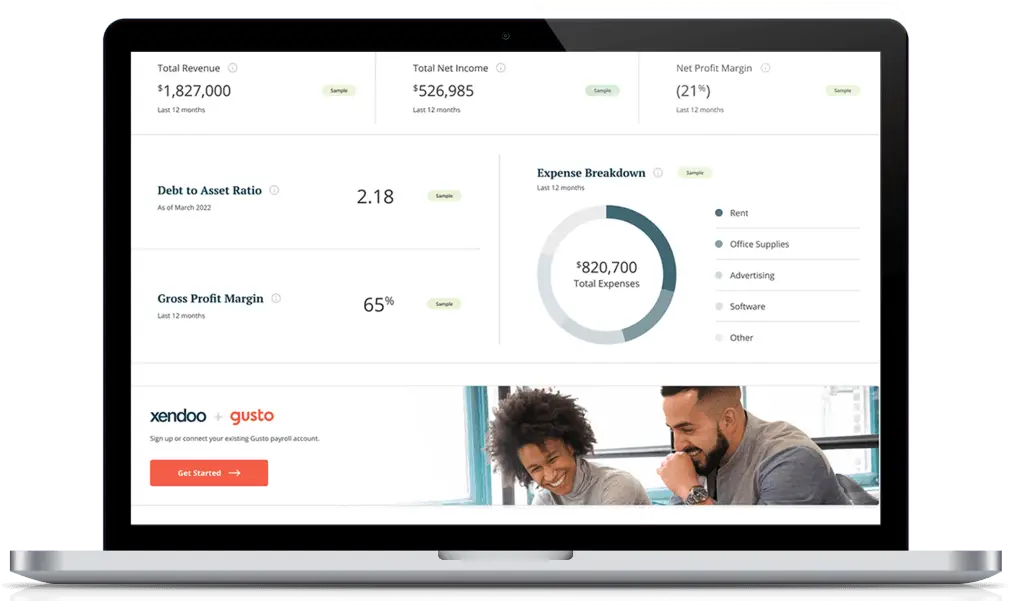
Remember, your pricing strategy has a huge impact on your business’s ability to make a profit, but it’s just one piece of the pie. Looking at the overall financial health of your business on a regular basis is just as important. xendoo handles your bookkeeping so you can always be aware of your financial health.
[av_sidebar widget_area=’Blog Post Disclaimer’ av_uid=’av-om2w’]