













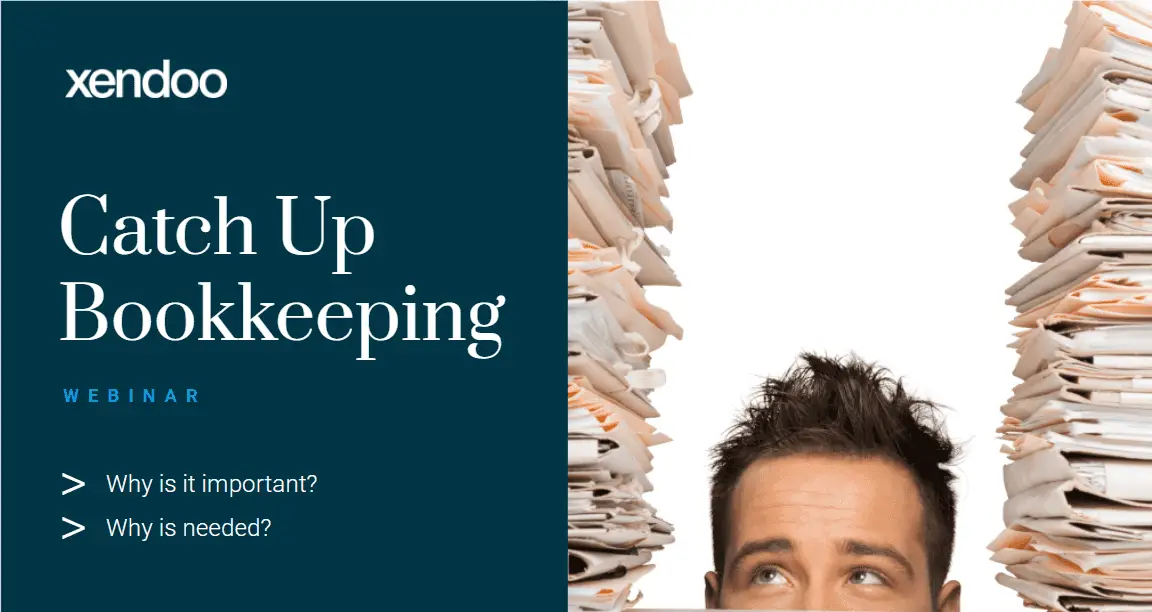
When you get behind in your books, you have two choices: lose sleep or turn to a catch-up bookkeeping service to help you out.
What is catch-up bookkeeping? Catch-up or “clean-up” bookkeeping is the method of bringing your financial records up to date.
In other words, catch-up bookkeeping lets you spend less time worrying about the past and more time focused on the future. Let’s take a quick look at what you can expect from a catch-up bookkeeping service.
How Catch-Up Bookkeeping Is Different from Ongoing Bookkeeping
Most business owners already have some sort of bookkeeping strategy in place, which might involve recording income and expenses as well as saving receipts and documenting expenses in preparation for tax season. These ongoing bookkeeping strategies are intended to keep pace with the normal flow of business.
How is this different from catch-up bookkeeping? Catch-up bookkeeping operates as an emergency solution when you get behind in your ongoing bookkeeping efforts. Catch-up bookkeeping attempts to look back through the past several months, record income and expenses, and bring your books completely up-to-date.
Catch-up bookkeeping services can also provide some strategies to keep you from getting behind on your books in the future.
The Core Steps of Catch-Up Bookkeeping
Some business owners try to get books caught up on their own. But if you got behind in your books because you lacked the time to do your accounting properly in the first place, how will you find the time to get caught up?
Instead, it might be a good idea to rely on an experienced CPA or tax professional to review your books. These financial professionals can then help you to do the following:
Gather Your Receipts and Documents
First, you want to gather as many of your business receipts as possible. This will help you to better determine your income and expenses.
Other documents to gather include:
- Customer invoices
- Debt collections
- Business expenses
- Vendor payments
With this approach, you’re trying to do two things. First, you’re attempting to find paperwork to document your business transactions. But secondly, you will determine whether there are any outstanding debts that you owe to your vendors and any outstanding invoices that your customers have yet to pay.
This will be particularly important when tax time rolls around, as these receipts can help you to determine your earnings for the year and write off any business expenses or bad debt that you incurred.
Reconcile Your Bank Accounts
Next, your accountant can help you to reconcile your bank accounts. What does this mean? During the reconciliation process, your financial professional will compare each transaction in your accounting records with the same transaction on your bank statements.
Ideally, the two numbers should match, but if they don’t, you’ll need to address any errors to ensure that your financial records are accurate.
If this process sounds time-consuming, that’s because it is! In many cases, this is the step that adds time to the catch-up process, since your accountant will have to spend a while sifting through your financial data.
Separate Personal and Business Expenses
It’s critical that you keep your personal and business expenses separate. Not only can mixing them create confusion, but you could find yourself personally liable if something should go wrong in your accounting.
At the very least, you should have a business bank account and use this account for any transactions that involve your company. Some companies prefer to open multiple accounts to organize department budgets or to use one account for income and another for vendor payments, for example.
Separating these expenses will make it easier for you and your accounting team to manage your books and to be fully prepared for tax time. Keeping your personal expenses separate will also make it simpler to file your personal tax return.
Collect W-9s, 1099s, and W-2s
Do you have employees? Have you hired any independent contractors during the tax year? If so, you’ll need to distribute the appropriate tax documents before the end of the year.
If your business has employees, you’ll need to file Form W-2. If you paid an independent contractor more than $600 over the course of a year, you’ll need to use two documents. You’ll give a W-9 form to each contractor. They’ll complete their tax information and return it to you. You’ll then use this data to file Form 1099-MISC with the IRS.
Enjoy the Benefits of Accurate Financial Data
This process can take some time, but once it’s complete, you’ll be caught up with your books. You can breathe a sigh of relief and look forward to the benefits of accurate data, along with a more complete understanding of your company’s cash flow.
While we’ve highlighted the importance of getting caught up before tax season, there’s never a bad time to catch up on your books. Staying up-to-date throughout the year can even help you to plan ahead so that you can reduce the stress that often comes with tax season.
How Much Does Catch-Up Bookkeeping Cost?
Understandably, many business owners find themselves wondering: “What is catch-up bookkeeping going to cost my business?”
The answer to this question depends on how far behind you are in your books. The longer it takes to reconcile your accounts and bring your records up-to-date, the more you can expect to pay for catch-up services.
xendoo offers catch-up bookkeeping for small businesses starting at $195. This catch-up bookkeeping cost is negligible compared to the peace of mind you’ll have knowing your financial records are current and accurate.
Get Caught Up with the Experts at xendoo
You’ll rest easier knowing that your books are being handled by a financial professional. That’s why xendoo offers expert-level catch-up bookkeeping services for small business owners. We’ll help you to get caught up and give you the tools to remain current on your books in the future.