













Editor’s Note: This post was originally published in March 2020 and has been updated for accuracy and comprehensiveness.
For all the challenges the economy faced in 2020, it may come as something of a surprise that overall domestic retail sales saw their highest rate of growth in over two decades during 2020. What probably isn’t much of a surprise to anyone who has been paying attention is that that strong growth was driven entirely by eCommerce trends in 2020, with online sales accounting for 101% of that growth.
The COVID-19 pandemic drove more and more shoppers to online retailers in lieu of brick-and-mortar stores, and the good news is that that movement shows no sign of slowing down in the eCommerce trends for 2021. The bad news is that sales tax compliance continues to be a thorny issue for online retailers as they struggle to keep up with state regulations. Figures represent US domestic sales unless specifically noted as global figures.
Consumer Migration to E-commerce
Overall retail sales in 2020 topped $4.04 trillion, representing a 6.9% increase over 2019 sales of $3.78 trillion. That was driven by a massive 44% increase in online shopping, nearly three times the previous record eCommerce year-over-year growth 2019 of 15.1%. A significant portion of that increase was also due to first-time online shoppers. E-commerce market penetration leaped from 15.8% in 2019 to 21.3%, representing a sharp increase from its previous trend of 1-2% growth per year. In 2020, eCommerce transformed from being a convenient alternative to brick-and-mortar stores for some consumers to an essential part of daily life in an age of pandemic.
Holiday Shopping
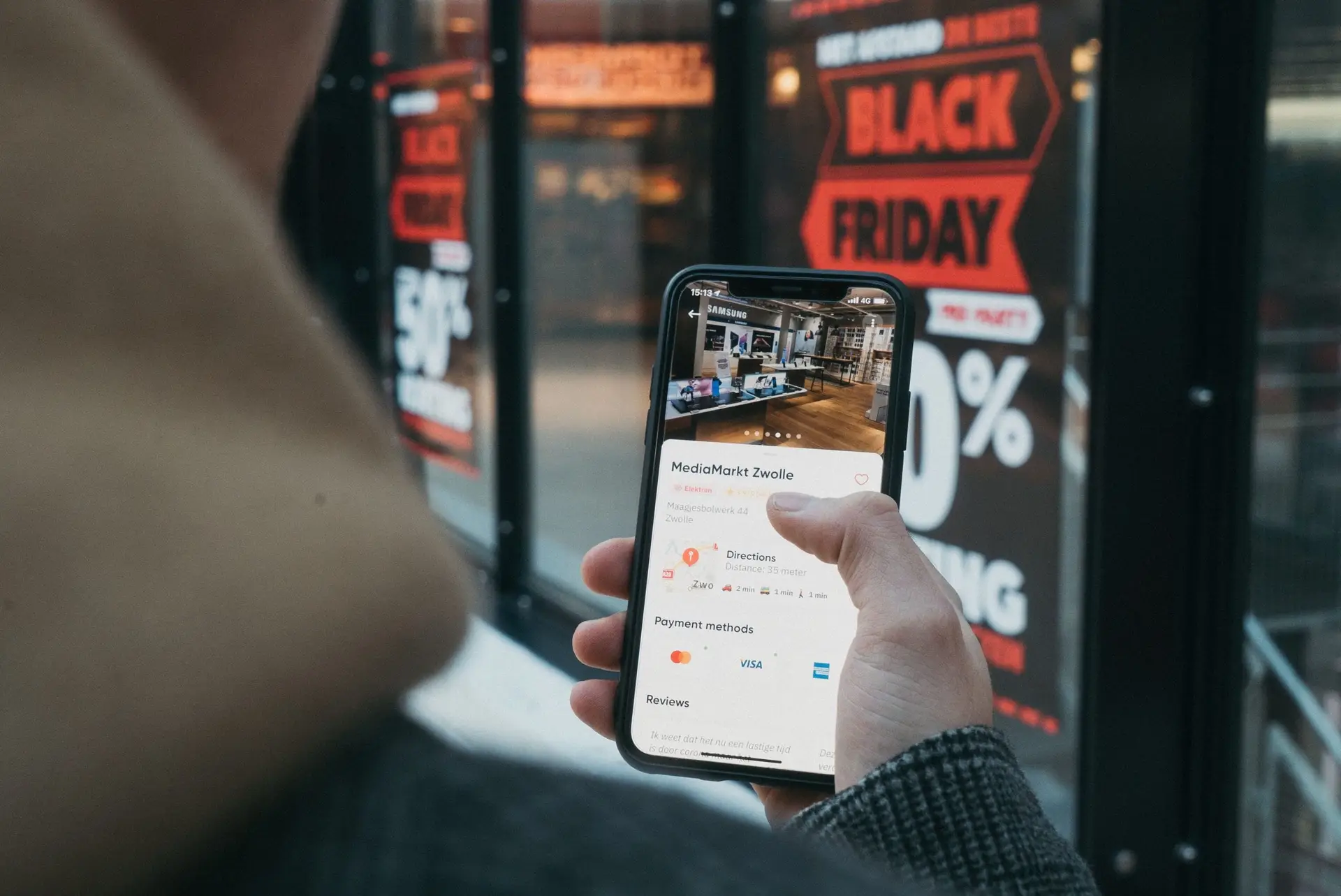
Following the overall trend toward online shopping, domestic holiday shopping showed similar rates of year-over-year growth. Out of $861 billion spent online in 2020, over $200 billion of sales occurred during the holiday shopping months of November and December.
- Thanksgiving Day online sales rose 21.5% to $5.1 billion
- Black Friday online sales rose 21.5% to $9 billion
- Cyber Monday online sales rose 15% to $10.8 billion
- Total Cyber-week domestic online sales reached $60 billion
Hottest E-commerce Segments in 2021
Fashion and online apparel remained the largest segment of online shopping globally in 2020, followed by toys and electronics.
- Online apparel sales rose 15% to $760 billion globally, projected to reach $1 trillion by 2025
- Toys rose 12% to $590 billion in global online sales, projected to reach $766 billion by 2025
- Consumer electronics saw $542 billion in global online sales, a 28% increase over 2019.
- Food and personal care items came in fourth at $468 billion
- Furniture and household appliances totaled $362 billion globally.
Largest Retailers
Unsurprisingly, Amazon retained its throne as the undisputed king of online retailers, with a whopping 38% of all domestic sales, down slightly from its 2019 share of 43.8% share in 2019. Other online retailers like Walmart and Target managed to chip away at Amazon’s lead, but are still behind by a wide margin.
- Amazon – 38%
- Walmart – 5.3%
- eBay – 4.7%
- Apple – 3.7%
- Home Depot – 1.7%
Smartphone Sales
Smartphones continued to increase in popularity as a platform for online shopping, representing 54% of online sales in 2020 and projected to reach 73% in 2021. 79% of smartphone owners have made at least one online purchase with the device, and 80% of smartphone owners have used a smartphone to look up product information or reviews while shopping in a traditional brick-and-mortar store. It’s clear that the prevalence of smartphones will continue to be a driving force in eCommerce for the foreseeable future.

Trends to Watch
Whether you have something like a Shopify store or sell through your own website, it’s imperative to stay on top of technology and predict online consumer product trends so that you can stay one step ahead of the competition. To that end, we’ve identified some eCommerce future trends that are definitely worth keeping an eye on in 2021.
BOPIS (Buy Online, Pick-Up In-Store) and Curbside Pickup
This trend dominated much of 2020 because it combined the convenience of online shopping with the immediacy of in-store shopping. While some shoppers will revert to in-store shopping, this trend is here to stay.
Augmented Reality (AR)
Augmented reality emerged as a player in eCommerce in 2020, with, for example, some furniture retailers allowing consumers to upload a photo of their living room and see how a particular piece would look in it.
Digital Wallets & One-Touch Purchase
Many consumers have been hesitant to make the move to online shopping due to concerns about fraud, while others were put off by the inconvenience of having to enter a credit card number. Digital wallets like ApplePay and GooglePay have alleviated many of those concerns by making secure one-touch purchases from smartphones. However, most security concerns are pushed to the wayside for convenience, and this eCommerce trend is probably here to stay.
Cryptocurrencies
Although controversial and not widely adopted currently, cryptocurrencies are poised to become a force in eCommerce in the not-too-distant future. Because Bitcoin is both a currency and a payment processor, it can facilitate secure transactions across borders at transaction fees of 1%, as opposed to the typical 2-3% merchant fees charged by credit card processors. Some large online retailers like Overstock.com already accept Bitcoin.
More Sales Tax Headaches
In response to declining state sales tax revenues from the move to online shopping, the US Supreme Court ruled in South Dakota v. Wayfair (2018) that each state could tax online retailers to create a replacement revenue stream individually. Online retailers must now monitor and comply with 50 different sales tax laws, creating enormous accounting overhead.
This is yet one more reason to outsource your bookkeeping service and accounting to a professional firm like xendoo as a cost-effective solution to this regulatory nightmare. Sales tax processing is just one of the many affordable services available in xendoo’s small business offerings. xendoo can also ensure you are getting all the eCommerce tax deductions you are entitled to as an online retailer.
It’s clear that eCommerce will only continue to grow by leaps and bounds in the future. Consumers were already growing accustomed to the convenience of online shopping, and the COVID-19 pandemic was the impetus that pushed many holdouts to take the plunge. Many retailers struggle to understand emerging technologies and keep pace. The retailers that don’t will be left behind in the wake of those who do. Staying on top of technology and eCommerce trends is critical to success in retail in 2021.
Experience the xendoo difference with a one-month free trial.
[av_sidebar widget_area=’Blog Post Disclaimer’ av_uid=’av-om2w’]