












Summary:
Q4 is usually the busiest and most profitable season for eCommerce, but it also brings higher sales volume, increased expenses, and more complex financial data. Strong eCommerce bookkeeping is essential during this time. Keeping accurate books, integrating your tech stack, recording expenses in real time, and analyzing holiday sales data help you stay tax-ready and make informed business decisions going into 2025.
The Busy Season for eCommerce Sellers
Q4 is the most exciting and demanding time of the year for online businesses. Orders skyrocket, advertising ramps up, and revenue peaks. But with that growth comes complexity: transaction volume multiplies, refunds increase, and expenses rise quickly. If your books aren’t organized now, you risk inaccurate financial data, tax headaches, and missed opportunities in the new year. Keeping accurate, up-to-date books during the holiday season is important to enable forward progress and a clear view of profitability heading into 2025.
1. eCommerce Weekly Bookkeeping Habits that Save Money
When sales volume spikes, the margin for error becomes higher. Weekly reconciliations keep your financials accurate, your cash flow visible, and your profitability clear. Missing transactions, returned inventory, and applied discounts can distort revenue reports, inflate expenses, and skew inventory count.
Consistent bookkeeping will also allow you to catch errors early before they grow into major year-end adjustments. For example, if a vendor payment is accidentally recorded twice in the same month, it inflates your expenses and lowers your profitability on paper. Spotting this mistake right away ensures your tax filings will not be affected.
2. Prepare Your eCommerce Tech Stack for the Surge
Your tech stack is the collection of platforms, software, and tools that work together to run your business, from your online storefront and payment processors to your accounting system, inventory platform, and analytics dashboards. A strong, integrated tech stack ensures that data flows seamlessly across these systems, so sales automatically sync with your books, inventory levels update, and financial reports stay accurate.
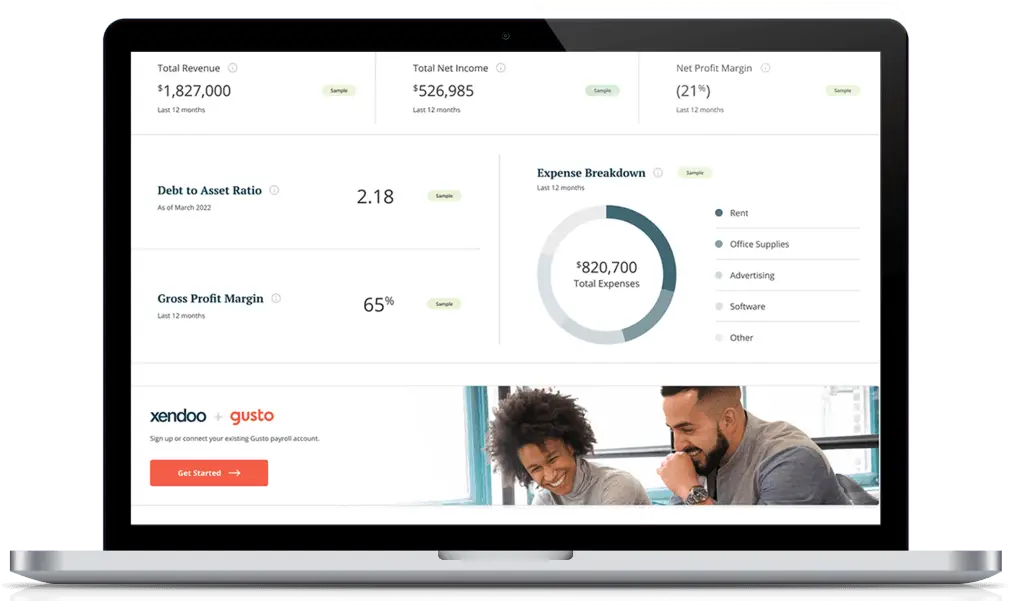
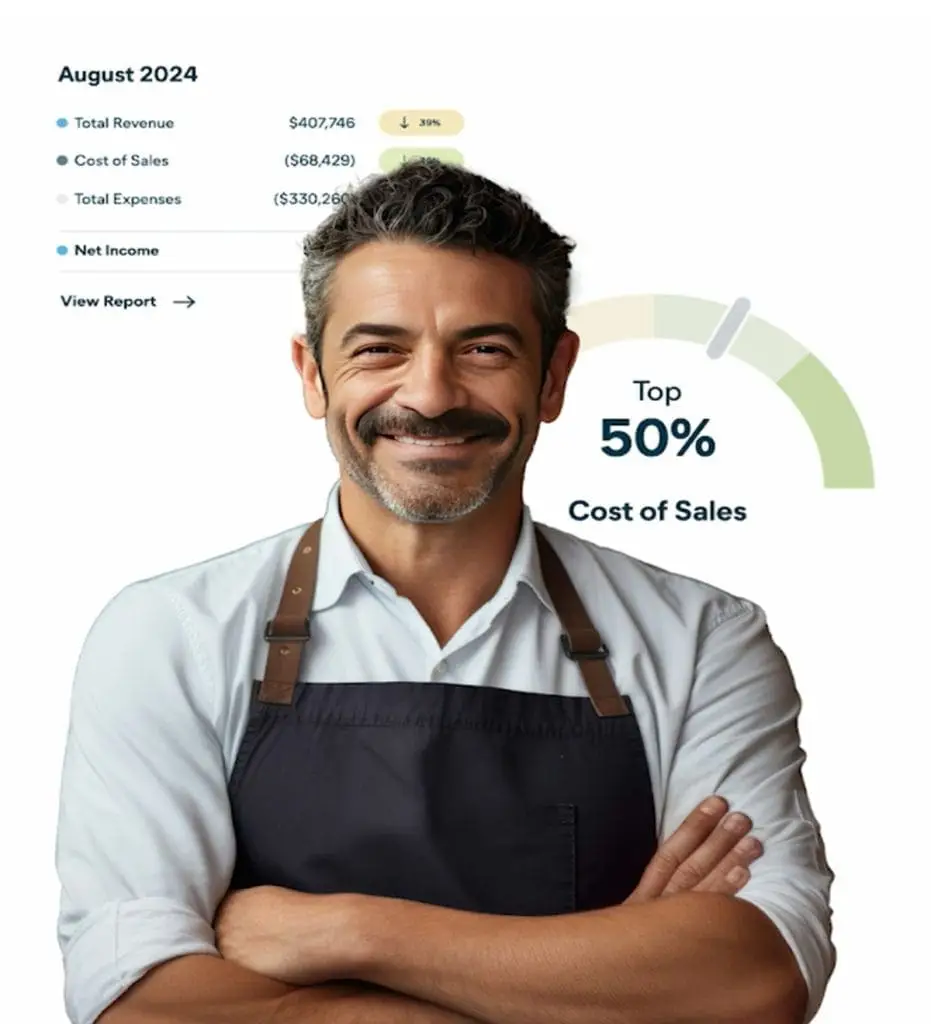
Xendoo’s bookkeeping services play a vital role in this ecosystem by keeping your books reconciled, accurate, and ready for analysis. As transactions flow in from your eCommerce platforms, your dedicated accountant reviews, categorizes, and reconciles them weekly, ensuring your financial data reflects real-time performance. Through the Xendoo dashboard, available on desktop and mobile, you gain constant visibility into your cash flow, profit trends, and expenses.
Automation tools such as A2X, Webgility, and Synder automatically sync transactions, reconcile sales data, and consolidate financial records from multiple sales channels into one system. Inventory management platforms like Cin7 and Settle update stock levels in real time, track product bundles and variations, and forecast future inventory needs based on sales trends.
Using these connected tools reduces manual data entry, minimizes errors, and ensures accurate financial and inventory information. With a fully integrated tech stack, business owners gain a complete view of performance and make faster, data-driven decisions during the holiday season.
3. Plan for Increased Expenses During the Holiday Season
During the busy holiday season, your expenses may increase due to extra paid ad campaigns, promotional discounts, gift packaging, and temporary staff. Tracking these extra expenses is important to see the impacts on overall profitability.
Before the holiday season begins, bookkeeping is also necessary to forecast, plan, and ensure your business has enough upcoming cash for these added expenses. With Xendoo, you gain this financial visibility to make informed and data-driven decisions on when to scale ads, where there is room to add additional expenses, and to simplify wage management.
For payroll-related costs, tools like Gusto simplify seasonal hiring and wage management, ensuring compliance and clear expense tracking as your team expands.
If additional capital is needed, consider a funding option to manage increased seasonal expenses. Through Xendoo’s partner Boundless AI, business owners can access data-driven funding solutions designed for eCommerce growth. With your books fully reconciled and up to date, lenders can quickly evaluate your financial health, making it easier to qualify for and secure the right loan before the holiday rush begins.
4. Stay Tax-Ready Before Year-End
As Q4 drives peak sales, your business expenses, like marketing, software, shipping, packaging, and labor, often surge, directly affecting your tax liability. To prepare effectively, record these expenses in real time using accounting software such as Xero or QuickBooks Online. Ensure each transaction is correctly categorized and linked to receipts or invoices for streamlined tax filing.
Real-time tracking helps you leverage deductions like Section 179, which allows you to deduct the full cost of qualifying equipment or property (e.g., machinery, software) in the year it’s placed in service, up to a 2025 limit of $1.25 million. Keeping your books updated ensures you capture this and other deductions, such as office supplies or travel, to lower taxable income. Consult an eCommerce tax professional to confirm eligibility and comply with IRS or local tax rules.
5. Use Data to Plan Reorders for Your eCommerce Business
Your Q4 financial data reveals key insights about seasonal demand and profit performance. Reviewing Xendoo’s financial reports helps you identify which products or services delivered the strongest margins and highest sales volume. With clear visibility into revenue trends and expense patterns, you can make informed decisions about future inventory levels and operating costs. For example, a Shopify brand reviewing its monthly financial statements in Xendoo might see that December revenue peaked from specific categories, guiding smarter purchasing decisions and more efficient cash allocation for the new year.
Final Thoughts
The holiday season tests every part of your eCommerce business. When your books are accurate and your data is clear, you stay in control no matter how busy it gets. Organized financials now mean fewer surprises later, and a stronger start to 2026.