









Where Profit Slips: How to Control Costs, Protect Margins, and Keep More of What You Earn
Revenue can grow. Sales can increase. Your bank balance can still feel tight.
Profit does not disappear all at once. It erodes in small, consistent ways across your business.
Cost creep. Margin compression. Untracked spending.
This is where profit slips.
Where Profit Starts to Break Down
Profit loss rarely comes from one decision.
It shows up across multiple areas at the same time.
Cost of Goods Sold (COGS) Expands
Direct costs rise faster than revenue.
- Supplier price increases
- Higher shipping and fulfillment costs
- Discounting to close deals
- Inefficient production or service delivery
Margins shrink even when revenue holds steady.
Operating Expenses Drift
Expenses grow quietly over time.
- Software subscriptions stack
- Contractors stay on longer than needed
- Marketing spend loses efficiency
- Payroll expands without matching output
Each expense feels justified on its own.
Together, they reduce net income.
Pricing Stays Static
Costs change. Pricing does not.
- No adjustment for inflation
- No increase tied to demand
- No restructuring of service packages
Revenue grows. Profit does not follow.
Lack of Visibility
Decisions happen without clear financial data.
- No consistent review of financial reports
- No tracking of margin by product or service
- No defined cost targets
Without visibility, profit loss goes unnoticed until cash tightens.
The Metrics That Protect Your Margins
Strong businesses track a small set of numbers consistently.
Gross Margin
Shows how efficiently you deliver your product or service.
- Revenue minus direct costs
- Indicates pricing strength and cost control
A declining gross margin signals rising costs or pricing pressure.
Net Profit Margin
Shows what the business keeps after all expenses.
- Revenue minus all costs
- Reflects overall efficiency
This number determines how much you actually retain.
Operating Expense Ratio
Shows how much revenue is consumed by operating costs.
- Total operating expenses ÷ revenue
As this increases, profitability tightens.
Customer or Job-Level Profitability
Not all revenue carries the same value.
- Which customers generate the highest margins
- Which jobs or services cost more than expected
This level of detail drives better decisions.
How to Control Costs Without Slowing Growth
Set Cost Targets
Define clear ranges for:
- Cost of goods sold as a percentage of revenue
- Payroll as a percentage of revenue
- Marketing spend tied to return
These targets create structure.
Audit Expenses Monthly
Review expenses with intent.
- Identify duplicate tools or services
- Remove unused subscriptions
- Evaluate vendor pricing regularly
Small adjustments compound quickly.
Tie Spending to Output
Every major cost should connect to performance.
- Marketing → revenue generated
- Payroll → productivity or output
- Software → efficiency gains
If the connection is unclear, review the expense.
Improve Vendor Management
Strong vendor relationships protect margins.
- Renegotiate contracts annually
- Consolidate vendors where possible
- Explore alternative suppliers
Cost control often starts here.
How to Protect and Improve Margins
Margin protection comes from deliberate action.
Adjust Pricing with Intention
Pricing should reflect:
- Cost increases
- Market demand
- Value delivered
Even small adjustments improve profitability across all revenue.
Standardize Delivery
Inconsistent processes increase costs.
- Define how work gets done
- Reduce rework and inefficiencies
- Use systems to create consistency
Efficiency protects margin.
Focus on High-Margin Revenue
Not all revenue drives the same result.
- Expand high-margin services or products
- Reduce focus on low-margin offerings
- Bundle services to increase value per customer
This shifts your revenue mix.
Reduce Revenue Leakage
Profit is often lost in small gaps.
- Missed billable hours
- Uncollected invoices
- Discounts applied too often
Tight processes keep revenue intact.
The Role of Financial Visibility
Profit improves when you can see what is happening inside the business.
Consistent financial reporting shows:
- Where costs are rising
- Where margins are tightening
- Where adjustments create impact
Without this visibility, decisions rely on assumptions.
With it, decisions become precise.
Xendoo Brings Structure to Your Financials
Profit does not improve by chance.
It improves through consistent visibility and control.
Xendoo provides:
- Weekly reconciliations to keep financials accurate
- Timely monthly reports that show performance and position
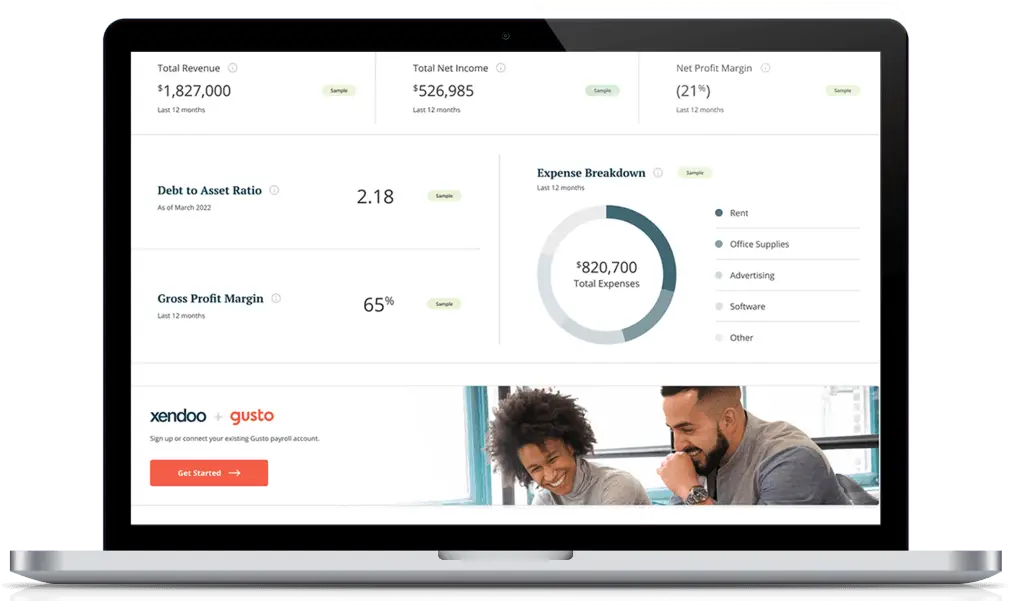
- Clear visibility into margins, expenses, and trends
- A dedicated U.S.-based accountant who understands your business
With structured, accurate financials, you see where profit slips.
You take action earlier.
You keep more of what you earn.
Final Thought
Profit is not defined by revenue.
It is defined by how well your business controls costs and protects margins.
Every decision flows through your numbers.
Track them.
Review them.
Act on them.
That is how profit stays in your business.