








Thinking of expanding your retail business into the biggest market platform in the U.S.? Amazon makes it easy for sellers of all sizes to get in on the action, even offering warehousing and fulfillment services.
Here’s how to become an Amazon seller.
1. Create an account.
Don’t use your personal Amazon account. Setting up a separate account for your business will make it easier to analyze and manage financials. You’ll be required to provide a credit card number, which will be used for charging any subscription fees and covering a negative account balance.
2. Figure your costs.
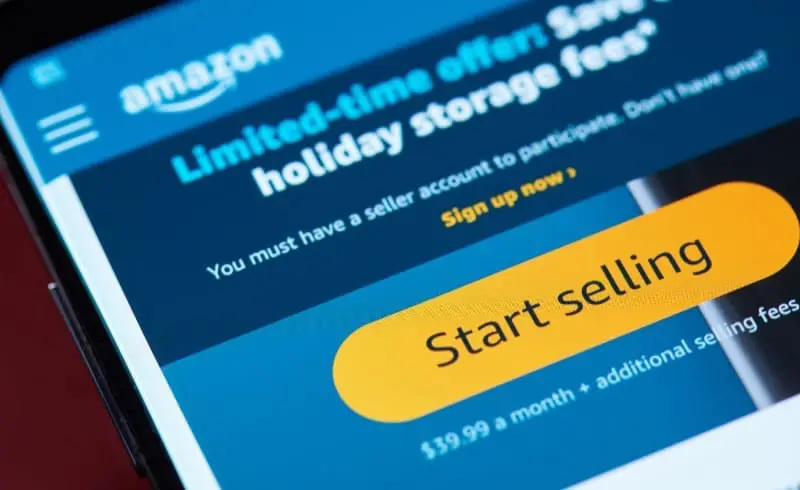
Amazon charges $39.99 per month for a professional account, which allows you to list an unlimited number of items. On top of that, there will be selling charges and other fees, which can total 15% or more of the sale price for some types of merchandise.
3. Figure your prices.
Your selling price must be high enough to make a profit, yet not so high that it will drive customers to your competition. Factor in your overhead such as Amazon fees and shipping costs. Also, research the prices being offered by competitors. Accounting software can make quick work of analyzing each price scenario so you can arrive at a price that’s both competitive and profitable.
4. Select a product listing category.
Make it easy for customers to find your merchandise … and for Amazon to display your item in search results.
5. Create an effective product page.
Remember, your customers are buying the item sight unseen. A product page that omits important information can cost you sales. (Would you buy a TV stand if you didn’t know whether it was big enough to hold your TV?)
• Use search keywords in the text to get a higher placement on Amazon’s search results page.
• Utilize the bullets section to communicate key features and benefits, in case viewers don’t scroll down to the full description
• Photograph(s) should be clear and informative. Showing the product from all sides and in use will help resolve customer questions or doubts.
6. Decide whether you will fill orders yourself or use Amazon.
Fulfillment by Amazon (FBA) handles the warehousing, shipping, and returns for you. This certainly saves a huge amount of work, but of course, they will charge you for this service. Another advantage of using FBA is that it gives you access to Amazon Prime customers who don’t want to pay for shipping.
7. Package your merchandise.
If you use FBA, Amazon will ship your products in its branded outer packaging. But the product’s packaging can display your own brand, a marketing opportunity that should not be overlooked.
If you’re doing your own fulfillment, you will need shipping supplies including:
• Scales for weighing the box and calculating shipping costs
• Strong packing materials
• Labels
• Laser printer
8. Test the market.
When you’re new to selling on Amazon, it’s smart to start with just a few products. This will give you time to become familiar with billing, payment processing, and customer service.
9. Adjust your sales strategy with metrics.
Offering reports on inventory, sales, and more, Amazon’s Seller Central Area can guide your decisions on inventory planning, promotions, and product presentation. Beyond that, measure and track everything you can so you’ll know for a fact what works and what doesn’t.
10. Follow through on customer feedback.
One of the biggest factors in a purchase decision on Amazon is the reviews of a product left by previous customers. Your goal is to have as many positive and few negative comments as possible.
• After purchase, send an email encouraging the customer to review the item.
• Include verbiage that asks them to contact you first before placing a negative review and give you a chance to resolve the problem.
• Respond to potential buyers in the questions section.
• Respond to misinformation in the reviews.
If you’ve completed these 10 steps, you should be well on your way to a successful career of selling on Amazon!