











Webinar: 2026 AI Transformation Register Free >

Connecting Clean Books to Smarter Capital: The Xendoo + Boundless AI Partnership

Xendoo and Boundless AI partnership

The new partnership between Xendoo and Boundless AI bridges the gap between clean, up-to-date books and smart, accessible funding. Business owners gain accurate financials, real-time insights, and priority access to over 150 trusted lenders, all in one place. Together, Xendoo and Boundless AI help small businesses stay organized, secure capital faster, and make confident decisions to fuel growth. Financial Clarity Meets Funding with Xendoo + Boundless AI Partnership  Behind every strong business is current, accurate financials. That’s what Xendoo delivers. Our dedicated team combines expert bookkeeping, accounting, and tax support with a proprietary dashboard that puts data-driven insights right at your fingertips. Business owners can track month-to-month trends, monitor key financial metrics, and access timely monthly reports, all in one place.  Many business owners come to Xendoo with books that are months or even years behind, and no clear view of where their business stands. Our dedicated catch-up services get your financials current fast, restoring accuracy and making every report reliable. When your books are accurate and up to date, you see exactly what’s working and where to adjust. You know when to hire, when to expand, and where to manage costs to protect profits. Clean books turn ambitious plans into smart, well-timed action. Accurate financials also open the door to funding. Lenders expect transparent profit and loss statements, balance sheets, and cash flow summaries before they approve any loan or line of credit. Without them, funding simply isn’t an option. Xendoo is your trusted financial partner. We bring your books up to date quickly, deliver timely monthly reports, and keep you ready to move forward, no matter how far behind you start. With Xendoo, you have the numbers and the confidence to take the next step when the time is right. That is where Boundless AI makes the next step possible.  We are thrilled to announce our new partnership with Boundless AI, a leading intelligent platform that connects entrepreneurs to trusted lenders and matches them with funding solutions built for their business goals. Why Xendoo Partnered with Boundless AI Growth should not stall because financials are not accurate. Xendoo catches your books up quickly,  no matter how far behind, with a dedicated team that brings clarity and calm to your finances. But when it’s time to secure funding, the process can stall without the right connections. Once your books are caught up and your financials are accurate, Boundless AI removes that barrier, helping you take the next step with fast, flexible access to capital. Their intelligent platform matches entrepreneurs with funding options from a network of over 150 trusted lenders. It’s fast, flexible, and tailored to each business’s goals and risk profile, exactly what owners need when timing matters most. Together, Xendoo and Boundless AI close the gap between organized books and accessible capital. Your business stays loan-ready with timely profit and loss statements, balance sheets, and cash flow reports, and you gain a path to the funding that helps you hire, expand, or invest when the time is right. Who Benefits From This Partnership This partnership is designed for small business owners with a growth mindset, the builders, planners, and doers ready to take the next step. It’s for founders launching new ventures who need startup capital but don’t have spotless books yet. It’s for companies planning expansions, second locations, or new product lines that match their ambition with the right funding. It’s for seasonal businesses that need extra inventory to meet demand when it spikes. And it’s for owners who are ready to move past outdated lending processes that slow them down. Numbers alone don’t secure funding; numbers plus clarity and the right connections do. This partnership delivers both accurate books and a forward path to capital that supports growth. For Xendoo Customers:  Xendoo users now receive priority access to Boundless AI’s capital marketplace, connecting them with more than 150 trusted lenders and funding partners. With books already current, Xendoo customers are in a stronger position to qualify and secure the best-fit funding for their goals. Check funding eligibility in minutes Get matched with the best-fit lenders and capital solutions for their business model Access funding options from $3,000 to $300 million, including lines of credit, term loans, revenue-based financing, and more Learn more by scheduling a free Boundless AI growth capital planning session. For Boundless AI Customers: Boundless AI users now gain the advantage of Xendoo’s expert bookkeeping and catch-up services to strengthen every funding opportunity. With accurate, up-to-date books, you’re better positioned to move quickly and present your business at its best. Get caught up fast with Xendoo’s dedicated bookkeeping team Access timely monthly profit and loss, balance sheet, and cash flow reports Make smarter capital decisions with full visibility into key financial metrics, expenses, and month-to-month trends Learn more by scheduling a free Xendoo accounting consultation. Built for Business Owners  At Xendoo and Boundless AI, we know small businesses need more than outdated processes and one-size-fits-all solutions. Owners move fast; they need partners who understand the pace, the pressure, and the constant demands of running a business. We combine real human expertise with advanced technology because timely books and access to funding shouldn’t create more headaches. We’re modern by design. Our teams understand the tools, automations, and integrations that keep businesses moving efficiently and help owners stay ahead. We understand the pain points: falling behind on books, missing chances to grow, waiting weeks for answers from accountants and lenders who don’t understand your industry. Together, we remove that friction. You get timely books, data-driven insights, and a fast track to capital, all powered by smart technology and a team that understands what it takes to run a business today. The Future of Xendoo + Boundless AI The partnership between Xendoo and Boundless AI is just the beginning. Here’s what you can expect in the months ahead: Seamless integration: Direct links between your Xendoo dashboard and Boundless AI’s funding process, so accurate books flow straight into funding applications. Exclusive offers: Special savings and promotions

5 Reasons Bookkeeping Services are Essential For Businesses in an Uncertain Economy

The importance of bookkeeping in an uncertain economy

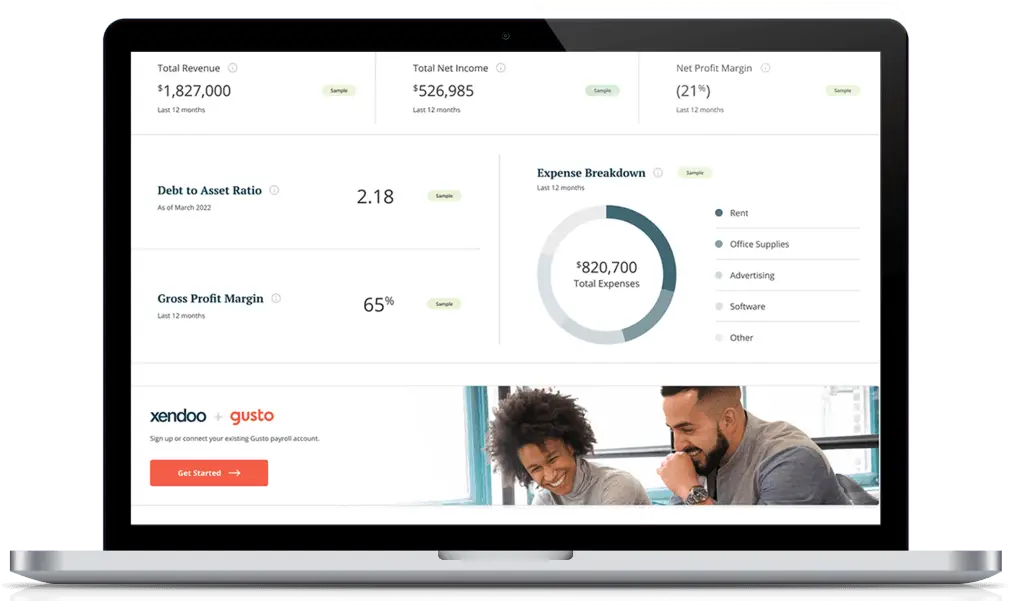
Why Small Businesses Need Bookkeeping Services in a Changing Economy For many business owners, the economy feels uncertain. With unexpected market shifts, rising tariffs on outsourced goods, and steadily increasing costs, the path forward may feel uncertain. In moments like these, the pressure of every decision intensifies, yet the expectations remain. You are still expected to lead with confidence, adapt quickly, and keep the business afloat.  In this environment, having reliable bookkeeping services becomes a strategic necessity, allowing you to operate from a place of control. When financials are accurate, timely, and accessible, you gain the clarity to respond with intention. Bookkeeping is now a steady source of insight that supports sound judgment, measured growth, and long-term resilience. What is the role of bookkeeping during a changing economy? Let’s explore how it can directly benefit your business. Here are five key advantages that make bookkeeping an invaluable asset, especially in today’s uncertain economic climate. Identify Financial Trends for Proactive Management When your books are consistently and accurately maintained, patterns begin to surface. Shifts like rising vendor costs, delayed customer payments, or narrowing profit margins rarely announce themselves with clarity. Instead, they appear subtly, through numbers that begin to drift off course. Bookkeeping brings those numbers into focus. Categorizing expenses, tracking receivables, and reconciling accounts regularly creates a living record of your business activity. This allows you to compare performance month over month, spot anomalies, and flag inconsistencies before they turn into larger issues. Early visibility means you’re not reacting after the damage is done, but you are adapting in real time to protect your margins and maintain stability. Financial Preparation for Loans, Grants, and Investors Loans, grants, investor inquiries, or relief programs require detailed financial documentation. Incomplete or outdated books can delay or disqualify you from accessing these resources. Well-maintained records provide a clear picture of your business’s financial health, enabling you to confidently present your case to investors or lenders, and respond quickly when time-sensitive opportunities arise. Visibility To Improve Business Decision Making In uncertain times, every business decision carries more weight. Whether you’re considering a new hire, adjusting pricing, or reworking your inventory strategy, understanding the financial impact in real terms, not broad estimates, is imperative. Bookkeeping provides that clarity by tracking and categorizing every transaction in your business. You see exactly how much revenue is coming in, where money is going out, and how those numbers shift over time. This level of detail allows you to monitor trends, spot inefficiencies, and plan based on facts. Accurate books connect the dots between your operations and your bottom line, so every decision is backed by real financial insight. Maximize Your Tax Savings with Accurate Bookkeeping A strong tax strategy begins with accurate books. When every transaction is recorded and categorized throughout the year, you enter tax season prepared, with clear documentation, organized records, and complete visibility into your financials. This foundation allows your CPA to move beyond basic filings and focus on optimizing your tax position. Whether it’s identifying eligible deductions, planning for quarterly payments, or aligning with your long-term financial goals, strategic decisions are only possible when your books are current. In a shifting economy, this level of preparation becomes a financial advantage. Save Time and Grow Your Business by Outsourcing Bookkeeping Services Bookkeeping requires consistency, precision, and time, pulling focus from the areas where your leadership creates the greatest impact. Delegating this responsibility to a trusted partner allows you to gain those hours back and reinvest them where they matter most: serving your customers, supporting your team, and shaping your next phase of growth. With xendoo Accounting, Bookkeeping, and Tax as your partner, your books are kept accurate and up-to-date by a team that delivers accurate financials on time, every time. Additionally, you gain exclusive access to our advanced technology platform, Insights XP. This powerful tool provides real-time insights into your financial landscape, enabling you to seamlessly track cash flow, monitor expenses, and evaluate your business’s financial health. You will always remain fully informed, empowering you to lead with clarity, focus, and forward momentum. Track your net income, revenue, and expenses month-to-month with Insights XP.  Conclusion The ability to manage cash flow during market shifts with confidence is essential to your business’s success. By prioritizing reliable bookkeeping, you empower yourself with the clarity, insight, and preparedness needed to make informed decisions, seize opportunities, and stay aligned with your financial goals. 

The Business Owner’s Guide to Paying Less in Taxes

Business owner tax planning

Why Business Tax Planning Matters Welcome to the ultimate Business Owner’s Guide to Paying Less in Taxes. Many small business owners overpay in taxes simply because they miss out on deductions, tax credits, and strategic tax planning opportunities. Whether you’re a freelancer, eCommerce entrepreneur, or agency owner, this guide will help you understand how to legally lower your tax bill while keeping your financials in order. Without a solid business tax planning strategy, you risk paying more than you owe, missing deductions, or worse—triggering an IRS audit. The good news? Strategic tax planning and accurate bookkeeping can dramatically lower your tax bill while keeping your business compliant. What’s New for 2025 Tax Laws? Each year, tax laws change, affecting how much businesses owe. Keeping up with these changes ensures that small business owners claim every available deduction. Here’s what to watch for in 2025: Inflation-Adjusted Tax Brackets – The IRS has adjusted tax brackets to account for inflation, which may reduce your overall tax burden. Section 179 Deduction Limits – Higher limits allow businesses to deduct more on equipment, software, and business-use vehicles. Changes to Business Meal Deductions—The temporary 100% meal deduction has expired and will revert to 50%. R&D Tax Credit Expansion – If your business invests in technology or innovation, you may qualify for new business tax credits. Need help staying compliant? Catch up on bookkeeping before tax season to ensure accuracy and maximize deductions. How to Reduce Your Small Business Tax Bill 1. Keep Accurate Financial Records The biggest mistake small business owners make? Not keeping their books updated. Without proper financial records, you can’t claim business tax deductions or justify expenses to the IRS. Use a bookkeeping service to automate tax preparation and reduce errors. Separate business and personal expenses to avoid IRS scrutiny. Track mileage, home office deductions, and other tax-deductible expenses throughout the year. Keeping organized financial records ensures you never miss a deduction when filing your business taxes. 2. Choose the Right Business Structure Your business entity impacts how much you owe in small business taxes: LLCs & Sole Proprietors – Pay self-employment taxes but qualify for pass-through tax deductions. S-Corporations – Can reduce self-employment tax by splitting income between salary and distributions. C-Corporations – Benefit from a flat 21% corporate tax rate but may face double taxation. Not sure which business structure is best for tax savings? Talk to a tax expert to determine the right option. 3. Leverage Business Tax Credits Tax credits directly reduce your business tax bill dollar-for-dollar. Some of the most valuable small business tax credits include: R&D Tax Credit – You may qualify if your business invests in software development, technology, or innovation. Work Opportunity Credit – Hiring employees from certain targeted groups can earn your business tax credits. Utilizing available tax credits is a key tax-saving strategy that many business owners overlook. 4. Maximize Your Business Tax Deductions Many small business owners leave money on the table by failing to deduct all eligible expenses. Deduct these costs to reduce your taxable income: Business Insurance – Protect your company while lowering your tax burden. Office Rent & Utilities – Deduct costs for maintaining your office or workspace. Employee Salaries & Benefits – Payroll and employee benefits are fully deductible. Marketing & Advertising Costs – Business advertising, website expenses, and social media ads qualify. Home Office Expenses – If you operate from home, deduct a portion of rent, utilities, and internet costs. Maximizing business tax deductions helps reduce your overall tax liability and keeps more money in your business. Top Business Tax Deductions You Should Claim 1. Section 179 Deduction Deduct up to $1,160,000 2025 for business-use equipment, software, and vehicles. 2. Business Meals & Travel Claim 50% of meals with clients and business partners. Deduct 100% of travel expenses for business-related trips. 3. Retirement Contributions Contribute to a SEP IRA or Solo 401(k) to reduce taxable income while building long-term savings. 4. Health Insurance Premiums Self-employed? Deduct 100% of health insurance premiums for yourself and your family. By claiming every available deduction, your business can significantly reduce taxable income. Avoid These Costly Tax Mistakes Avoiding common small business tax mistakes can prevent penalties and lost deductions: Mixing Business & Personal Finances – Use a dedicated business bank account for transactions. Forgetting to Pay Estimated Taxes – If you’re self-employed, make quarterly tax payments to avoid penalties. Missing Tax Deadlines – Keep track of IRS filing deadlines to prevent late fees. Ignoring Bookkeeping Until Tax Season – Catch-up bookkeeping ensures accurate filings and maximized deductions. Avoiding these mistakes ensures your tax filings are accurate and free from IRS scrutiny. How xendoo Helps You Pay Less in Taxes At xendoo, our tax experts and CPAs help small business owners minimize tax liability and streamline business tax preparation. Here’s how we make tax season stress-free: Done-for-you bookkeeping & tax prep – Keep financials organized year-round. Catch-up bookkeeping for past-due taxes – No more scrambling at tax time. Tax-saving insights to maximize deductions – Ensure your business gets every eligible write-off. Hassle-free tax filing with real experts – Compliance and accuracy guaranteed. Keep More of Your Profits in 2025 This Business Owner’s Guide to Paying Less in Taxes has shown that overpaying is optional. Without a solid strategy, you risk paying more than you owe, missing deductions, or worse—triggering an IRS audit. This Business Owner’s Guide to Paying Less in Taxes helps ensure you don’t overpay. With smart tax strategies, you can legally reduce your tax bill and keep more profits. Taxes are unavoidable, but overpaying is optional. By maintaining organized financial records, claiming deductions, and working with tax professionals, your business can legally reduce its tax bill and keep more earnings. Want expert help reducing your business taxes? Schedule a free consultation today.

BBB + xendoo Webinar: Small Business Tax Write-Offs

Small business tax write-offs||

Key Takeaways from the Webinar Our CEO and founder recently joined the Better Business Bureau (BBB) of South Florida for a webinar packed with practical accounting, bookkeeping, and small business tax write-off tips for small business owners. Whether you’re a startup, an e-commerce entrepreneur, or scaling your professional services, this webinar offers valuable financial advice to help you manage your business finances effectively. Below are some key highlights—but this is just the beginning. Watch the entire webinar for even more insights! How to Vet a CPA for Your Small Business Accounting Needs Choosing the right CPA can significantly impact your business’s financial health. Here are some essential questions to ask: Experience Matters: Ask how many years they’ve been in business and how many business tax returns they file annually. CPAs handling mostly personal tax returns might miss key business deductions. Industry Expertise: Ensure they are familiar with your specific industry, whether e-commerce, professional services, or manufacturing. Transparent Pricing: xendoo’s corporate tax returns start at $1,200, while market rates range from $1,500 to over $10,000—know what you’re paying for. Commonly Overlooked Small Business Tax Write-Offs Many small business owners miss out on valuable tax deductions. Here are some you should consider: Travel Expenses: Business-related travel, even part of a personal trip, is deductible. Section 179 Deductions: Large equipment purchases can significantly reduce your taxable income if your business is profitable. Maximizing Your Tax Savings with Small Business Tax Write-Offs Beyond deductions, there are strategic moves to save more on taxes: Track Personal Expenses: Any business-related expenses paid from personal accounts should be reimbursed and documented monthly. Augusta Rule: Rent your home to your business for up to 14 days per year, tax-free. S-Corp Election: Businesses earning over $30,000 in profit should consider an S-Corp election to save on self-employment taxes. Financial Health Tips for Small Businesses Staying financially healthy is about more than just tax savings: Monthly Financial Reviews: Regularly review your financial statements to keep your business on track. Checks and Balances: Separate financial roles within your team to prevent errors and fraud. Plan Early for Taxes: Start tax planning in Q4 to maximize deductions and reinvest in your business before year-end. Preserving Cash Flow and Managing Business Finances Cash flow management is critical to small business success. Here’s how to keep it strong: Avoid Credit Terms: Require upfront payments or credit card transactions to maintain steady cash flow. Manage Inventory Smartly: Don’t overstock—write off or donate unsellable inventory. Understand Your Cash Needs: Know how much cash your business needs to operate and secure a line of credit for emergencies.   Watch the Full Webinar Want more in-depth small business accounting tips and financial strategies? Watch the webinar here to learn how to optimize your finances, improve your bookkeeping, and make your business thrive.   Why xendoo Stands Out in Small Business Accounting xendoo isn’t just about numbers—we’re about people. Unlike traditional CPAs, who disappear after tax season, our team offers year-round support, expert bookkeeping, and personalized accounting services. We speak small business because we live it, providing tools and technology to make your financial management seamless and stress-free.   Ready to Get Started? Schedule a free consultation today and mention the BBB webinar for personalized accounting and bookkeeping advice tailored to your business needs.    

Guide to Tracking and Maximizing Tax Write-Offs

Maximize your tax write-offs

Tax write-offs are one of the most effective tools small business owners can use to reduce taxable income and keep more money in their business. But tracking and maximizing these deductions requires a strategic, year-round approach. This guide will help you understand tax write-offs, common mistakes, and practical strategies to ensure you’re not leaving money on the table. What Are Tax Write-Offs? Tax write-offs, also known as deductions, are expenses that the IRS allows you to subtract from your total income to reduce your taxable income. The result? You pay less in taxes. Write-offs cover a wide range of expenses, but only those that are considered “ordinary and necessary” for your business qualify. Examples include: Office expenses: Rent, utilities, and office supplies. Technology and tools: Software subscriptions, website hosting, and equipment. Travel costs: Flights, lodging, and meals during business trips. Marketing expenses: Social media ads, email campaigns, and graphic design fees. Knowing what counts as a deduction can have a significant impact on your tax bill. However, many small business owners miss out on these benefits simply because they fail to track their expenses properly. Why Tracking Expenses Year-Round Is Critical Many business owners wait until tax season to organize their finances, leading to overlooked deductions and unnecessary stress. Tracking your expenses consistently throughout the year ensures: Accuracy: You’ll have a clear record of deductible expenses when it’s time to file taxes. Preparedness: Avoid scrambling to find receipts or reconcile expenses. Savings: A well-organized system makes it easier to spot missed deductions. Simple ways to track expenses include: Using accounting software like QuickBooks or Xero. Dedicating a business bank account and credit card for all transactions. Keeping digital copies of all receipts. The Most Overlooked Tax Write-Offs Even the most diligent business owners can miss deductions. Here are some commonly overlooked write-offs: Home office expenses: If you work from home, you can deduct a portion of your rent or mortgage, utilities, and internet. Mileage: Track the miles driven for business using an app like MileIQ. Professional development: Expenses for training courses, certifications, and workshops qualify. Business meals: Meals with clients or team members are deductible at 50%. You’ll avoid leaving money on the table by staying informed about these potential write-offs. Strategies to Maximize Your Tax Write-Offs Maximizing deductions isn’t just about tracking every dollar—it’s about being proactive. Here’s how: Plan Ahead: Meet with a tax professional early in the year to discuss strategies tailored to your business. Organize Expenses by Category: Use clear categories like marketing, travel, and supplies to make deductions easier to claim. Review Past Returns: If you’ve missed deductions in prior years, consider filing an amended return. Proactive planning ensures you take advantage of every opportunity to reduce your tax liability. Tools and Best Practices for Streamlining Tracking Simplify the process of tracking your expenses with these tools and practices: Apps for tracking expenses: Try Expensify or Wave for easy expense management. Set up automation: Link your business accounts to software that automatically categorizes expenses. Review monthly: Dedicate time each month to review and reconcile your transactions. Creating consistent habits around tracking will save time and money when tax season arrives. The Role of Professional Bookkeeping Professional bookkeeping is a game-changer for small business owners. Having accurate, up-to-date books means: You’ll never miss deductions due to disorganized records. You’ll have clean financials ready for tax season and beyond. You can make informed decisions about growth and scaling. Bookkeepers don’t just organize your finances—they provide insights that help you plan for the future. Partnering with experts ensures that your business’s financial health stays a priority. Key Takeaways Tracking and maximizing tax write-offs doesn’t have to be overwhelming. You’ll unlock savings and gain financial clarity by staying organized, leveraging technology, and seeking professional support. Ready to start 2025 on solid financial footing? Begin by taking control of your write-offs today. Schedule a consultation to learn how xendoo can support your business’s bookkeeping, accounting, and tax needs.

The Complete Breakdown of a Fractional CFO

Fractional CFO

What Is a Fractional CFO, and Do I Need One? As your business grows, so do its financial complexities. You may find yourself needing more strategic financial guidance than a bookkeeper or accountant can provide but aren’t ready to hire a full-time Chief Financial Officer (CFO). This is where a fractional CFO can be the perfect solution. But what exactly is a fractional CFO, and how do you know if your business needs one? Let’s dive in. What Is a Fractional CFO? A fractional CFO is a highly experienced financial professional who works with your business on a part-time or contract basis. Instead of hiring a full-time CFO, which can be costly, you gain access to expert financial guidance and strategic planning for a fraction of the cost. Key Responsibilities: Financial Strategy Development: Helps set long-term financial goals and creates actionable plans to achieve them. Cash Flow Management: Ensures you have the liquidity to sustain operations and fund growth opportunities. Budgeting and Forecasting: Provides accurate financial projections to guide your decision-making. Financial Reporting: Delivers insights from your financial data to help you understand your business’s performance. Fundraising and Investor Relations: Assists in securing funding and managing relationships with investors or stakeholders. Risk Management: Identifies financial risks and implements strategies to mitigate them. Benefits of Hiring: Cost Efficiency: Provide top-tier expertise without the expense of a full-time hire. You only pay for the time and services you need. Flexibility: Whether you need help for a few hours a month or on an ongoing basis, fractional CFOs offer tailored services that adapt to your business’s needs. Scalability: Ideal for businesses in growth mode, offering strategic support to scale operations and manage increased financial demands. Expertise Without Overhead: You gain access to a seasoned financial professional with experience across industries, often bringing fresh perspectives and innovative solutions. Do I Need a Fractional CFO? Here are some common signs your business can benefit: 1. You’re Experiencing Rapid Growth Growth is exciting, but it also introduces new challenges, like managing cash flow, planning for expansion, and ensuring profitability. A fractional CFO can guide you through these complexities with a strategic approach. 2. You Need Help Securing Funding If you’re seeking investors, loans, or other forms of funding, a fractional CFO can prepare the financial documents, forecasts, and pitches needed to build confidence with stakeholders. 3. Your Financial Data Feels Overwhelming If your financial reports are hard to interpret or you’re unsure about your profitability and margins, a fractional CFO can translate the numbers into actionable insights. 4. You Want to Improve Profitability Identify inefficiencies, reduce unnecessary expenses, and implement strategies to increase your bottom line. 5. You’re Planning a Major Transition Whether it’s a merger, acquisition, or significant investment, a fractional CFO can provide the expertise to navigate these high-stakes decisions. 6. You Lack a Clear Financial Strategy If you’re operating without a solid financial roadmap, a fractional CFO can help create one, aligning your financial goals with your business objectives. How Does a Fractional CFO Work with Your Business? They typically operate on a flexible schedule, providing support remotely or in person, depending on your needs. They might work with your existing team or independently, focusing on specific projects or ongoing financial management. Engagement Models: Project-Based: For specific tasks like fundraising, restructuring, or financial planning. Ongoing Support: For continuous oversight and guidance over a set number of hours per month. Interim CFO: Filling the gap while you search for a permanent CFO. Is This Right for Every Business? Not all businesses need a fractional CFO. For startups or very small operations with straightforward finances, a bookkeeper or accountant may suffice. However, if your business is growing, evolving, or facing financial challenges, the expertise can be transformative. Conclusion A fractional CFO offers strategic financial expertise at a fraction of the cost of a full-time hire. If your business is navigating growth, managing complex finances, or planning for the future, this could be the missing piece to help you thrive. Evaluate your current financial needs and consider how a fractional CFO could provide the guidance and clarity to achieve your business goals.

5 New Year’s Resolutions for Small Business Success in 2025

2025 Small Business Goals

Small Business Resolutions The beginning of a new year is a natural time for reflection and goal-setting, and this applies to businesses just as much as individuals. For small business owners, 2025 is full of opportunities to strengthen operations, build deeper customer connections, and achieve new milestones. To help you make the most of this year, here are five impactful small business resolutions designed to boost growth and efficiency while keeping your team and customers at the heart of everything you do. 1. Prioritize Digital Transformation Digital transformation has shifted from being an optional enhancement to a necessary evolution for businesses of all sizes. In 2025, small businesses that embrace technology will find themselves better equipped to adapt to market demands, reduce costs, and improve customer satisfaction. Leverage AI for Strategic Insights: AI tools can elevate your business planning and operations. For instance, tools like ChatGPT can assist in brainstorming content strategies, drafting compelling copy for marketing campaigns, or analyzing customer feedback to identify trends. By integrating AI into your workflow, you can save time and focus on creative decision-making, while improving the quality of your outputs. Strengthen Your Digital Security: As businesses increasingly rely on digital tools, cybersecurity becomes critical. Ensure your systems are protected by using strong passwords, enabling two-factor authentication, and investing in reliable security software. Regularly back up your data and train your team on recognizing potential threats, such as phishing attempts, to safeguard your operations. Click here to read Cybersecurity 101 for Small Businesses: Essential Tips to Protect Your Data. Integrate Cloud-Based Solutions: Transitioning to cloud-based tools for file storage, collaboration, and project management can boost efficiency and accessibility. Platforms like Google Workspace or Microsoft 365 allow your team to access files and work collaboratively from anywhere, making remote work and on-the-go productivity seamless. This also ensures your data is backed up and protected in secure, offsite servers. 2. Enhance Financial Management Sound financial management is one of the most important aspects of running a successful business, yet it’s often one of the most overlooked. In 2025, add to your small business resolutions to make financial organization and planning a top priority. Key strategies for improved financial health include: Regular Financial Reviews: Schedule time each month to review your income, expenses, and cash flow. This habit can help you identify patterns, spot inefficiencies, and plan for upcoming expenses. Tax Planning: Avoid scrambling during tax season by preparing throughout the year. Keep organized records of expenses and consult with a tax professional to maximize deductions. Outsource Accounting Tasks: If managing finances feels overwhelming, outsourcing can save time and reduce stress. Partnering with an expert service like xendoo ensures your bookkeeping and accounting are handled professionally, leaving you free to focus on growing your business. Being proactive about your finances helps you to make more informed decisions about investments, hiring, and expansion. 3. Focus on Customer Retention Attracting new customers is essential, but retaining existing customers is even more valuable. Studies consistently show that loyal customers spend more, refer others, and cost less to retain compared to acquiring new ones. Make 2025 the year you deepen your relationship with your current customers. Steps to enhance customer retention: Offer Personalized Experiences: Use customer data to tailor recommendations, emails, or promotions to individual preferences. For example, an online store might recommend products based on previous purchases. Implement a Loyalty Program: Reward repeat customers with points, discounts, or exclusive perks. These programs can encourage continued engagement and spending. Proactively Gather Feedback: Use tools like SurveyMonkey or Google Forms to collect customer feedback. This helps you identify areas for improvement and shows customers that their opinions matter. Small changes can make a big difference. For instance, a local fitness studio could offer a free personal training session after 10 class visits or send a personalized message to members congratulating them on reaching a milestone. These gestures build trust and goodwill, keeping your business top of mind. 4. Invest in Team Development A skilled, motivated team is a cornerstone of any thriving business. In 2025, prioritize your employees’ growth and well-being to create a strong foundation for success. How to invest in your team: Provide Ongoing Training: Equip employees with the skills they need to excel. Whether it’s customer service training, technical certifications, or leadership workshops, professional development opportunities keep your team sharp and engaged. Recognize and Reward Contributions: A simple acknowledgment of hard work goes a long way. Celebrate wins, highlight standout performances, and consider implementing incentives like bonuses or extra time off. Foster a Positive Workplace Culture: Create an environment where employees feel valued, supported, and heard. Regular one-on-one check-ins and open communication channels can make all the difference. For example, a tech support company might invest in ongoing training for its team to stay updated on the latest software and troubleshooting techniques. Not only does this improve the customer experience by resolving issues more effectively, but it also enhances employee confidence and satisfaction. 5. Expand Your Reach Through Strategic Marketing Marketing is the engine that drives visibility and growth. In 2025, resolve to make your marketing efforts more strategic, targeting the right audience with the right message at the right time. Ways to elevate your marketing strategy: Leverage Social Media Trends: Platforms like TikTok and Instagram continue to dominate, particularly with younger audiences. Short-form video content, behind-the-scenes glimpses, and user-generated content can boost engagement. Invest in Paid Advertising: Consider using tools like Google Ads or Meta Ads Manager to run targeted campaigns. Paid ads can drive immediate traffic and conversions, especially when paired with strong landing pages. Create Valuable Content: Blogs, videos, and downloadable resources establish your expertise and attract potential customers. For example, a fitness studio might create a free eBook with home workout tips to build brand awareness and grow its email list. Local businesses should also tap into community marketing opportunities. Partner with other local businesses for events or promotions, sponsor local initiatives, or optimize your Google Business profile to attract nearby customers. Elevate Your