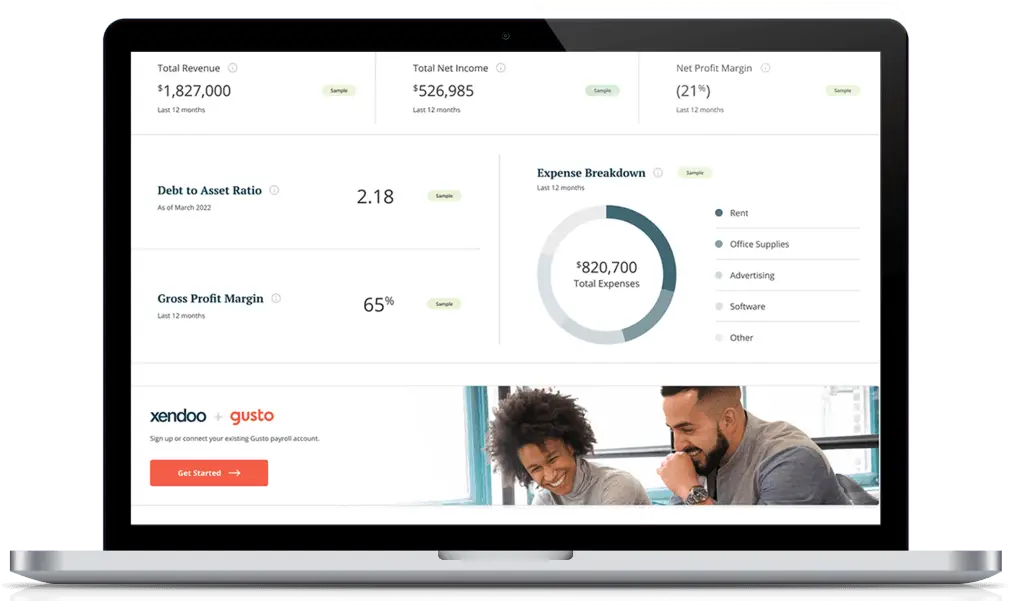














When your balance sheet isn’t showing a healthy profit margin, there are two routes you can take: raise your prices or cut operating expenses. Which is the riskiest? Most business owners would say it’s raising prices, for a variety of reasons ranging from competitive pressures to possible loss of customers.
So, if your best option is to trim expenses, how do you go about it? Here are seven areas of the business to look at for overhead cost reduction strategies.
Rent/Mortgage
Ways to reduce your monthly payments include:
• Negotiate a new deal with your landlord or mortgage lender
• Reduce the amount of space you rent
• Move to a less expensive space
• Convert to a home-based business
Utilities
This includes electricity, gas, water/sewer, telephone, and internet providers. You may be spending more than necessary.
• Review phone/internet usage over the past year to see if you could switch to a lower level of service
• Bundle services to get a discount
• Get rid of your landline; use cell phones, VoIP or virtual phone lines instead
• Reduce water waste by fixing plumbing leaks, converting from landscape sprinklers to drip irrigation, installing faucet aerators and using pressure washers instead of a hose
• Trim the electricity bill with Energy Star appliances, upgraded insulation, gap seals around doors and windows, and energy-blocking window coverings (curtains or window film)
Equipment
Depending on your type of business, equipment purchasing, maintenance, and repair could be your biggest overhead expense.
• Renegotiate service contracts
• Switch to cloud computing, eliminating the need to update and repair your own servers
• Use fuel-efficient vehicles
• Buy refurbished furniture and equipment offered by manufacturers, for the same quality at lower prices
Administrative
Is your office still stuck in the 20th century?
• Reduce the use of printers and copiers (why are you printing everything out, anyway?); you’ll also save on ink, paper, etc.
• Switch to a digital invoice/payment system and save on mailing supplies, paper costs, and filing cabinet storage space
Payroll
Sometimes it’s a sad necessity that you need to cut staff. Rather than losing good employees altogether, ask if they will accept an alternative work option such as:
• Job sharing
• Flexible scheduling
• Switching to part-time
• Taking unpaid leave
It may be more cost-effective to eliminate some full-time positions completely and bring in outside providers. This not only saves you a full-time salary, but it also saves on benefits, payroll taxes, worker’s compensation premiums, etc. — which can add up to an additional 30% of the employee’s salary.
• Hire independent contractors on an as-needed basis
• Outsource administrative departments such as accounting
Insurance
There’s no question that your business needs protection, possibly including general liability, professional liability, business interruption (due to natural disaster), overhead, vehicle, and bad debt insurance. Keep the premium payments as low as possible by:
• Shopping around for the best deal
• Choosing the highest deductible
• Buying a package policy rather than individual plans for every type of insurance
• Getting premium reductions for using the insurer’s loss prevention strategies
Sales/Marketing
This category includes advertising, promotional materials, trade shows, and incentives/bonuses for sales staff. Take a close look at whether the expensive strategies are delivering a good return on your investment. If they aren’t, consider cheaper options such as:
• Press releases for free media coverage
• Social media posts, videos, podcasts
• Chatting and article writing for professional online groups
• Cross-promoting with businesses near you (for example, a wedding venue and a florist each display the other’s brochures in their stores)
• Giving out your business card or wearing the company T-shirt at leisure events
• Sharing your expertise at seminars, local radio/TV talk shows
xendoo knows the challenges small businesses face in staying profitable. We’ll keep you up to speed with your financials, help you spot the danger signs, eliminate the need for on-staff bookkeeping — and do it all for a flat monthly fee that’s easy to afford (and budget for). It could be the best cost-saving move you ever made!
[av_sidebar widget_area=’Blog Post Disclaimer’ av_uid=’av-om2w’]