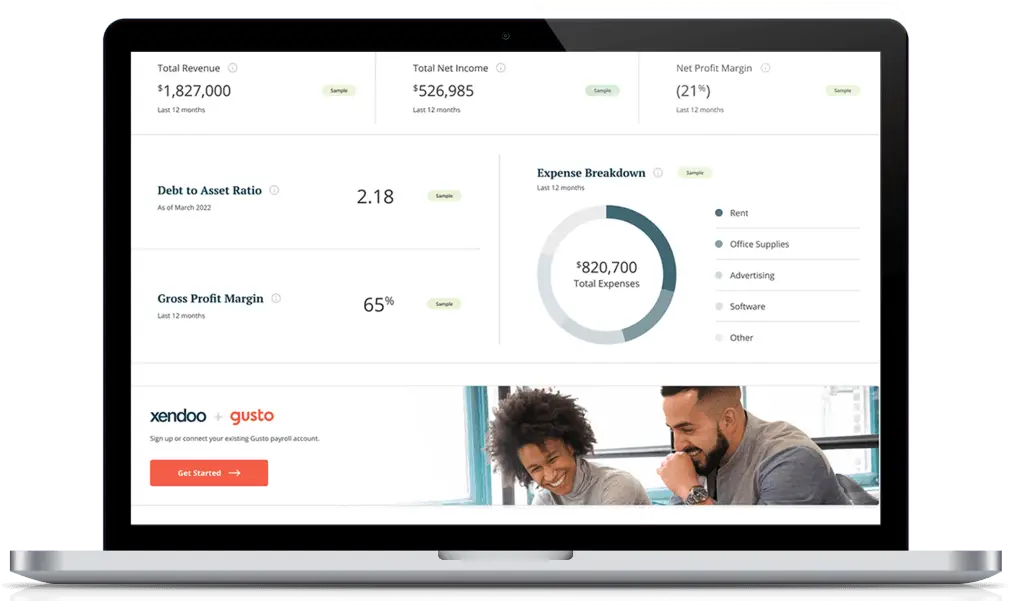














Businesses can grow quickly, and when that happens, keeping your financials and data in order becomes crucial. Potential buyers want transparency and assurance that your business is running smoothly. That’s where exit planning comes in. By managing your business from day one as if you were going to sell it, you set yourself up for a smooth and profitable transition whenever the time comes.
What is Exit Planning?
Exit planning is the strategic process of preparing your business for its next phase—whether you’re looking to sell, pass it on to a family member, or wind it down. A well-executed exit plan maximizes the value of your business and ensures a seamless transition. By setting clear goals and building a strong strategy early, you protect what you’ve built and position yourself to achieve your financial goals.
Preparing for a Successful Exit
Define Your Goals and Timeline
Setting goals and a timeline early on is critical for exit planning. Ideally, you’ll want to start this process 3 to 5 years ahead of time. This gives you enough runway to implement the changes that will drive the most value—whether it’s maximizing your sale price, ensuring a smooth handoff, or securing your employees’ future.
A timeline keeps you focused. For example, aim to streamline processes over the next year to improve operational efficiency. Whether you implement project management software or improve customer service systems, these steps prepare your business for growth and a successful exit.
Clean, Organized Financials and Data: The Foundation for Success
Financial transparency and clean data are non-negotiable when preparing for an exit. Potential buyers will scrutinize your business’s numbers, and you need to be ready.
- Use Accounting Software: Programs like QuickBooks or Xero help keep your financials accurate and organized.
- Maintain Transparent Financials & Organize Contracts and Taxes: Ensure taxes are up to date, financial statements are accurate, and contracts are in good standing. Organized financials and records show buyers that your business is reliable.
- Conduct Audits: Regular audits catch issues early and build buyer confidence.
- Avoid Financial Red Flags: Keep personal and business finances separate, report consistently, and avoid over-reliance on any single client.
But it’s not just about the numbers but also the data. Clean customer data, sales trends, and new customer acquisition costs give buyers a complete picture of your business’s health. If you start your business by tracking this data as if you were going to sell it one day, you’ll be in a much stronger position—whether you decide to exit or keep growing.
Build Your Business with an Exit in Mind
From day one, make your operations efficient and your company culture strong. Standard Operating Procedures (SOPs) keep things running smoothly, even when you’re not there. Buyers want to know that a business will run well in their absence.
Just as important is your data strategy. Tracking metrics like customer acquisition costs, lifetime value, and sales trends tells the story of your business. Clean, organized data can be a game-changer—it shows potential buyers where your business has been and where it’s going. Having reliable data can be a lever you can pull to improve business outcomes. Strong data doesn’t just track history; it helps you adjust and fine-tune your business strategy to grow even more.
Maximize Business Value
The more value you build into your business, the better positioned you’ll be for a successful exit. Focus on key performance indicators (KPIs) like revenue growth, profit margins, and customer acquisition costs. Buyers want to see clear, data-driven insights into your business’s health. Regularly assessing these metrics allows you to make adjustments to optimize operations and drive profitability.
Understand KPIs
KPIs are unique to each business and are the key drivers of growth. Tracking these indicators—especially customer data and sales trends—will show buyers that your business isn’t just performing well today but has a clear path for future growth. With the right data, you’ll have the tools to make informed decisions that boost your business’s value.
Conclusion
Effective exit planning isn’t just about having an end in mind—it’s about building your business in a strong way from day one. By defining your goals, gathering and analyzing meaningful data, and keeping your books accurate and consistent, you set yourself up for success—whether you’re ready to sell tomorrow or in five years.
Preparation is the key. When you prioritize financials and strong customer data, you increase your business’s value and ensure a smooth transition when the time comes. With xendoo, you’ll have the tools and insights to make your business buyer-ready and maximize its value.
Take control of your business’s future today. Schedule a consultation with xendoo, and we’ll help simplify the exit process while positioning your business for long-term success. Your future starts now.