












Every business tracks revenue and expenses. Fewer track when those numbers move.
Timing drives outcomes, cash flow, tax position, hiring pace, inventory levels, and loan readiness.
Two businesses can post the same annual profit. One builds momentum. The other feels constant pressure.
The difference comes down to the timing of decision-making in business throughout the year.
What Timing Actually Impacts
Timing shows up in three places:
- Cash flow
- Tax position
- Operational efficiency
Each one connects back to how and when money enters or leaves your business.
A profitable business can still run tight on cash. A growing business can still miss tax-saving opportunities. A strong sales month can still create pressure if expenses hit at the wrong time.
Timing aligns performance with control.
Revenue Timing: When Money Hits Your Business
Revenue is not just about sales. It is about when cash becomes available.
Consider two scenarios:
A service business invoices $50,000 in January. Payment terms are 30 days. Cash arrives in February.
Another business collects upfront.
Both report the same revenue. Only one has immediate access to cash.
What to control:
- Payment terms
- Deposit structures
- Billing cycles
- Collection follow-ups
Shortening the gap between sale and payment improves liquidity without increasing sales.
Expense Timing: When Money Leaves
Expenses hit differently based on timing.
Prepaying certain expenses before year-end can reduce taxable income. Spreading high costs across months can stabilize cash flow.
Example:
A business prepays $20,000 in software, insurance, or rent before year-end.
That expense reduces taxable income for the current year.
The same expense paid in January shifts the tax benefit forward.
What to review:
- Recurring expenses and billing dates
- Large one-time purchases
- Vendor payment terms
- Opportunities to prepay or defer
Timing expenses gives you control over both cash and taxes.
Inventory Timing: Cash Sitting on Shelves
Inventory ties up cash before it produces revenue.
Buying too early increases holding costs.
Buying too late limits sales.
Strong operators align inventory purchases with demand patterns.
Example:
An eCommerce brand prepares for Q4 in August. Inventory arrives early. Cash is tied up for months.
A more controlled approach staggers orders based on sales velocity and lead times.
What to monitor:
- Turnover rates
- Lead times
- Seasonal demand
- Cash available for purchasing
Inventory timing directly affects both margin and cash position.
Hiring Timing: Cost Before Output
Hiring adds capacity and immediate cost.
Bringing on employees before revenue supports it creates pressure. Waiting too long limits growth.
Example:
A business hires ahead of a growth push. Payroll increases immediately. Revenue follows later.
Another business hires in response to consistent demand. Payroll aligns with revenue.
Both grow. One maintains stronger margins.
What to align:
- Hiring plans with revenue trends
- Payroll as a percentage of revenue
- Output expectations per role
Timing hiring decisions protects margin while supporting growth.
Tax Timing: Decisions That Stay Hidden Until Filing Season
Tax strategy is built throughout the year.
Waiting until filing season limits options.
Key timing moves include:
- Section 179 purchases placed in service before year-end
- Bonus depreciation strategies
- Prepaying expenses
- Structuring compensation and distributions
Each decision depends on when it happens, not just what happens.
Work with a CPA to align timing with your overall tax strategy and ensure compliance with IRS rules.
Financing Timing: Access to Capital
Lenders review financial consistency.
They look for:
- Monthly reconciled books
- Clean financial statements
- Predictable cash flow
Timing plays a role here.
Applying for financing after months of disorganized records slows approval.
Applying with up-to-date financials increases confidence.
What to maintain:
- Monthly close cadence
- Accurate balance sheet
- Consistent reporting
Strong timing in financial management positions your business for faster approvals.
The Pattern Behind Strong Performance
Businesses that operate with control share a pattern:
- Revenue is collected faster
- Expenses are planned, not reactive
- Inventory aligns with demand
- Hiring matches growth
- Tax decisions happen before deadlines
- Financials are current every month
Each action is small on its own.
Together, they shape performance.
How to Take Control of Timing
Start with visibility.
Review your financials monthly:
- Profit and Loss
- Balance Sheet
- Cash Flow
Look beyond totals. Focus on timing:
- When does revenue convert to cash?
- When do expenses hit?
- Where is cash tied up?
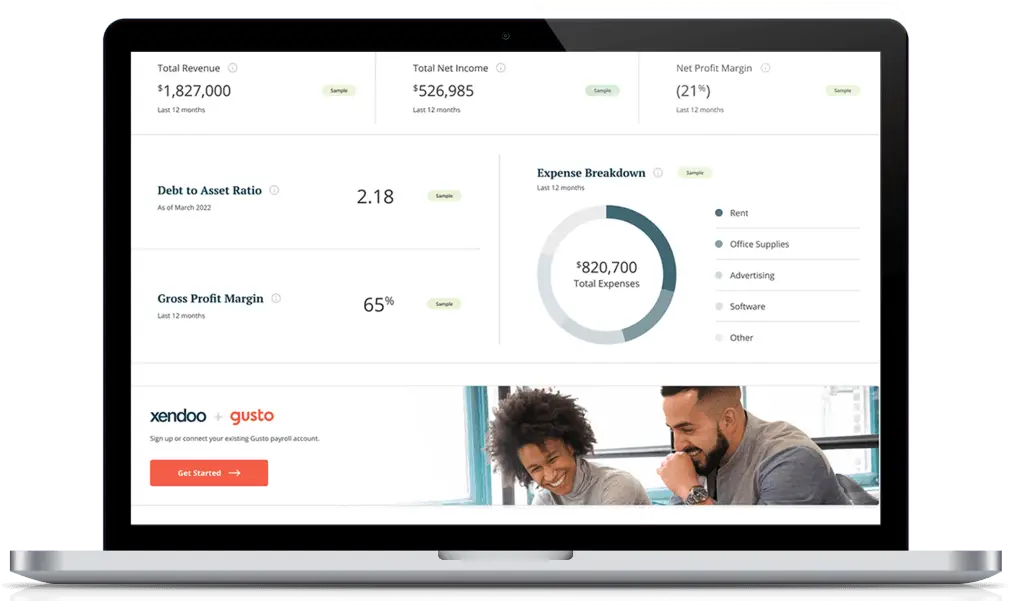
With Xendoo, your financials are reconciled weekly and delivered monthly, giving you a clear, current view of your numbers so timing decisions are based on real data.
Then adjust:
- Tighten billing cycles
- Align expenses with strategy
- Plan purchases intentionally
- Schedule tax planning before year-end
Consistent review leads to controlled decisions.
Final Thought
Performance is not only built on what you earn or spend.
It is shaped by when those actions happen.
Timing decisions run through every part of your business.
They influence cash, margins, and growth.
Get the timing right, and your numbers begin to work together.