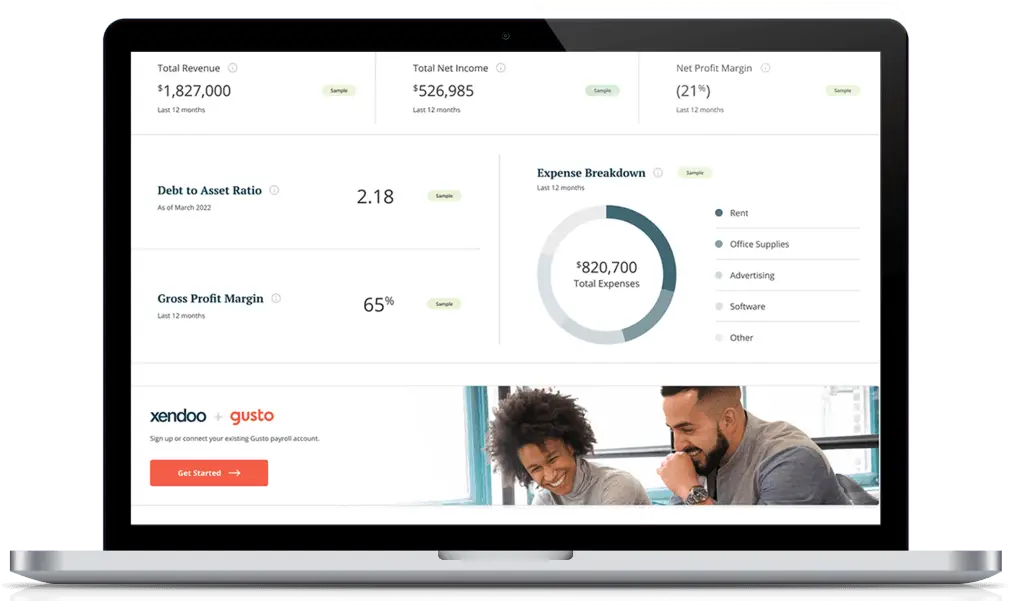














Financial forecasting is a vital aspect of running a successful small business. It involves predicting future financial performance based on historical data, current trends, and strategic plans. Effective forecasting relies on accurate bookkeeping and thoughtful analysis. Implementing these top five bookkeeping tips will help you enhance your financial forecasting, make informed decisions, and drive your business forward.
1. Maintain Accurate Financial Records
Why It Matters: Accurate financial records are the bedrock of reliable forecasting. If your records are complete and correct, your forecasts will be correct, eliminating the potential of misguided strategies and missed opportunities.
Tip: Invest in advanced bookkeeping software to keep your financial records precise and current. Tools like QuickBooks, Xero, and FreshBooks offer features that automate data entry, track expenses and income, and generate real-time financial reports. Regularly reconcile your bank statements with your records to ensure consistency and accuracy. This practice helps you avoid discrepancies and provides a solid foundation for forecasting.
2. Develop a Detailed Budget
Why It Matters: A well-constructed budget acts as a financial blueprint for your business. It helps you set realistic revenue targets, allocate resources effectively, and anticipate future expenses, all of which are crucial for accurate forecasting.
Tip: Start by outlining your fixed costs (such as rent, salaries, and insurance) and variable costs (such as utilities, marketing, and materials). Use historical data to project future revenue and account for seasonal variations and market trends. Incorporate a buffer for unexpected expenses. Regularly review and adjust your budget to reflect changes in your business operations, economic conditions, and industry trends.
3. Implement Cash Flow Projections
Why It Matters: Cash flow projections are essential for ensuring your business has sufficient liquidity to cover its operational needs. Without accurate projections, you might face cash shortfalls, impacting your ability to pay bills, invest in growth, or respond to unforeseen challenges.
Tip: Create detailed cash flow forecasts by analyzing past cash flows and considering future income and expenditures—factor in upcoming expenses, expected revenue, and any planned capital investments. Use forecasting tools and software to automate this process and generate periodic reports. Regularly update your projections based on actual performance and changes in your business environment. This proactive approach helps you manage cash flow effectively and avoid liquidity issues.
4. Analyze Financial Statements Regularly
Why It Matters: Financial statements, including income statements, balance sheets, and cash flow statements, provide critical insights into your business’s financial health. Regularly analyzing these documents helps you identify trends, spot potential issues, and make data-driven decisions.
Tip: Schedule monthly or quarterly reviews of your financial statements to stay informed about your business’s performance. Focus on key financial metrics such as profit margins, operating expenses, and revenue growth. Use this information to adjust your financial forecasts and strategies. Consider working with a financial advisor or accountant to help interpret your statements and provide expert guidance on strategic decisions.
5. Leverage Historical Data for Forecasting
Why It Matters: Historical financial data is a valuable reference point for forecasting. Analyzing past performance helps you understand trends, set realistic goals, and predict future financial outcomes more accurately.
Tip: Gather and analyze historical data on sales, expenses, cash flow, and other financial metrics. Identify patterns and correlations that can inform your forecasting assumptions. For example, if you observe seasonal sales spikes, incorporate these patterns into your future projections. Additionally, use industry benchmarks and market research to enhance the accuracy of your forecasts and align them with broader market trends.
Effective financial forecasting is a key component of successful business management. By maintaining accurate records, developing a detailed budget, implementing cash flow projections, analyzing financial statements, and leveraging historical data, you can create reliable forecasts that support strategic decision-making and drive your business’s success.
At xendoo, we are committed to helping small businesses master their financial management and forecasting. Our expert bookkeeping services and personalized support are designed to provide you with the insights and tools you need to thrive. Contact us today to discover how we can assist you in optimizing your financial practices and achieving your business goals.