

These are the women in Miami tech you need to know | South Florida Business Journal
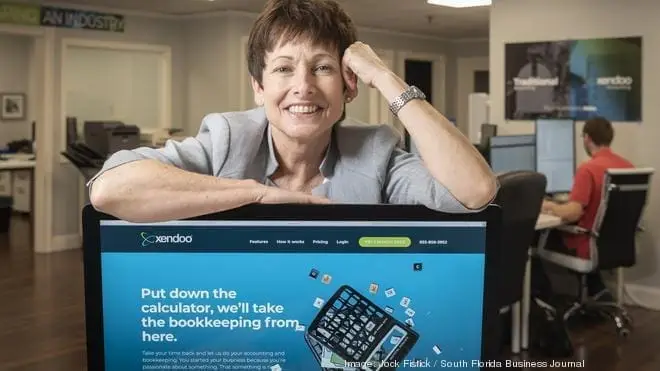
The Miami tech movement wouldn’t be what it is without the women founders, executives, nonprofit leaders, and venture capitalists who have spent years championing the region’s innovation community. An article by Ashley Portero, Senior Reporter, South Florida Business Journal. Read more here
Low-Burn | Scaling Your Startup S2 E8 with Neyborly’s Ben Seidl & xendoo’s Lil Roberts | E1224

When it comes to financial health as your scaling your startup there are six steps to healthy financials for scaling your startup. Watch for insightful tips for your small business by our CEO and Founder Lil Roberts, at This Week in Startups – Scaling your Startup. E1224 of Low Burn.
Online Bookkeeping Provider xendoo Now Helping Small Businesses in 46 States, 12 Countries
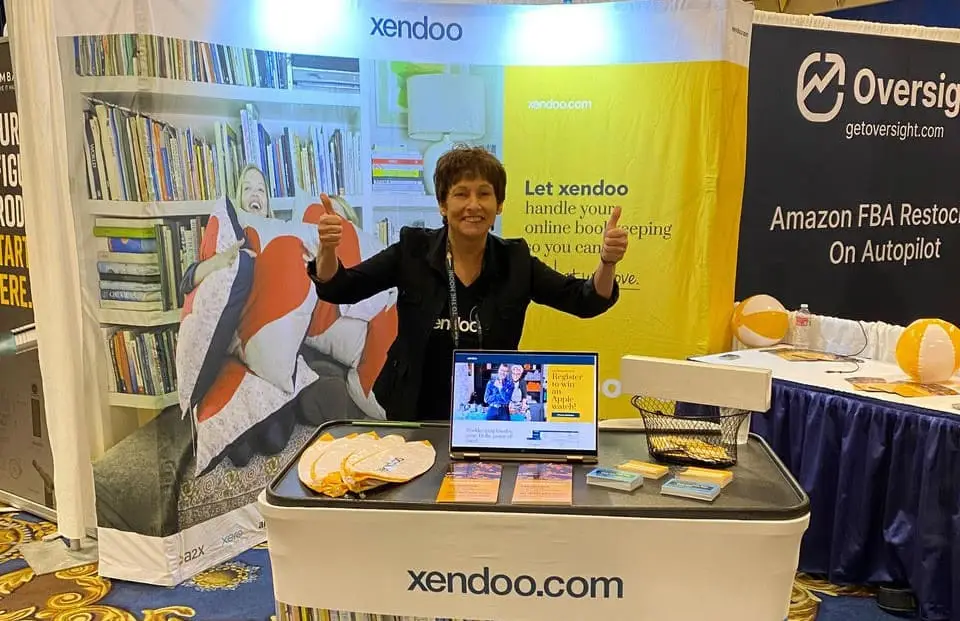
One of Broward County’s biggest startup success stories continues to grow at a rapid pace. Fort Lauderdale-based xendoo has developed a SaaS bookkeeping platform targeted at small businesses. The startup reported a two-year revenue growth of 777% from 2018 through 2019.
Profile of a Founder: Lil Roberts of xendoo

We believe business owners should have time to do what they love, build their business – not do bookkeeping.
Importance of LIVE events & What’s the Future of Ecommerce | Lil Roberts | Ep. 173

The new buying habits are post-pandemic! What to expect? xendoo CEO and Founder Lil Roberts is back to share with us the new buying habits post-pandemic and how eCommerce fits into retail’s post-pandemic future. “We believe business owners should have time to do what they love, build their business – not do bookkeeping.”
Free Small Business Expense Tracking Spreadsheet

Small business expense tracking can be tedious, but it’s one that all companies–from “mom and pop” shops to international enterprises–must do. Fortunately, business expense tracking apps make the job easier. An app is ideal if you have a business with many employees, sales, and tax considerations. For some small businesses, however, paying a subscription fee for an expense tracker may not be feasible in the beginning. In this case, they can use a free business expense tracker or template. While expense tracking will remain manual, it will keep their finances organized in one place. We’re sharing a free business expense tracking spreadsheet that you can use. You can jump to the spreadsheet here and scroll further to learn how small businesses can keep track of expenses for free or at little cost. Why do you need to track small business expenses? What are common business expenses? What is the best way to track expenses for small businesses? Small business expense tracking spreadsheet Why do you need to track small business expenses? As you may know, you’re required to file taxes each year. Come tax time, no one wants to sift through old receipts to account for each expense. Once you start expense tracking regularly, you can eliminate such hassles. Moreover, up-to-date records ensure that you file tax returns accurately. Therefore, should the IRS audit your company, you won’t have anything to worry about. Besides saving you time, you’ll also want to track expenses to take advantage of tax deductions and better financial health. Tax Deductions Everyone has to deal with taxes every year–companies and individuals. You may be eligible for tax deductions for certain expenses or activities. If you qualify for a deduction, you can lower the tax amount you owe and use the savings to grow the business. While it may surprise you, many small business expenses qualify for tax deductions. However, only a small proportion of small business owners benefit from them. This is primarily due to inadequate expense tracking practices and not knowing how much you can save. With reliable accounting software, you’ll have expense reports. These will give you a complete picture of your spending and tax deductions. If you’re unsure what counts as a deduction, you can review our list of over 20 tax deductions for small businesses. Financial health Data from the Bureau of Labor Statistics (BLS) shows that 20% of small businesses fail within the first year. This figure rises to 50% by the fifth year. But there’s a silver lining. Most of these businesses do not fail because there’s no market. Surprisingly, some companies make a lot of money and still fail. Some of the reasons for this include: Financial mismanagement Cash flow issues Unsustainable growth Poor planning As you can see, all those factors are related to finances. By ironing up your expense tracking processes, you can significantly increase the chances of success for your business. You’ll be able to quickly spot unnecessary, unusual, and fraudulent activity that may bring your business down. This way, you can limit business expenses to necessary expenses and prevent costs from going overboard. In addition, you can learn how to read and interpret financial statements. What are common business expenses? Businesses in varying industries have different expense profiles. Even still, there are expenses that almost all businesses have. In the expense tracking spreadsheet, you’ll find areas to record each of these expenses, including: Advertising and marketing – Costs associated with hiring a marketing agency or a consultant. Auto expenses – If you use your car for business, you can expense repairs and mileage. Bank charges – Fees and costs for a business bank account and credit cards. Commissions – They will be recorded here if you pay out sales commissions. Contract labor – This is for businesses that hire freelancers or contract employees. Interest – If you have a business loan, its interest is considered an expense. Legal & professional – Consult with lawyers, accountants, and other professionals. Merchant fees – These are costs that merchants like Shopify and Amazon charge. Payroll, payroll taxes, and processing – Expenses related to paying employees and processing those payments. Recruiting & HR – Costs associated with finding and hiring employees. Training & Education – Expenses related to furthering your or your employees’ business education. Software and tools – Many tools you use for your company are expenses (and tax-deductible). Rent or lease – If you have a physical store or office, you can add it as an expense. Utilities – Many utilities, including the Internet, are business expenses. These are just a few examples. You’ll find more inside the small business expense tracking spreadsheet. What is the best way to track expenses for small businesses? At this stage, you know why it’s important to track business expenses, but how do you do it? You have two options: business expense tracking spreadsheets or apps. 1. Business expense tracking apps The best options for business expense tracking are expense tracker apps. These solutions sync to your bank accounts and business credit cards and categorize your expenses. This eliminates most of the manual work and automates inputting the costs yourself in a spreadsheet. As a result, the only expenses you usually add manually are those you pay for in cash. Such solutions generate expense reports in addition to maintaining expense records. These reports help you understand your spending habits and how they impact cash flow and financial health. You don’t have to set time aside for this. You can review your expenses using a mobile app while on the go. Overall, they reduce the amount of time you spend on expense records. Some business expense tracking apps include: Mint Quickbooks (integrates with xendoo) Xero (integrates with xendoo) Zoho Expense Expensify To learn more about each app and if it’s a good fit for your company, you can view our guide to expense tracking apps here. 2. Business expense tracking spreadsheets While business expense tracker apps may be ideal, they’re sometimes
Lil Roberts joins Kison Patel of Boss Move Podcast to Discuss The Elements of Success
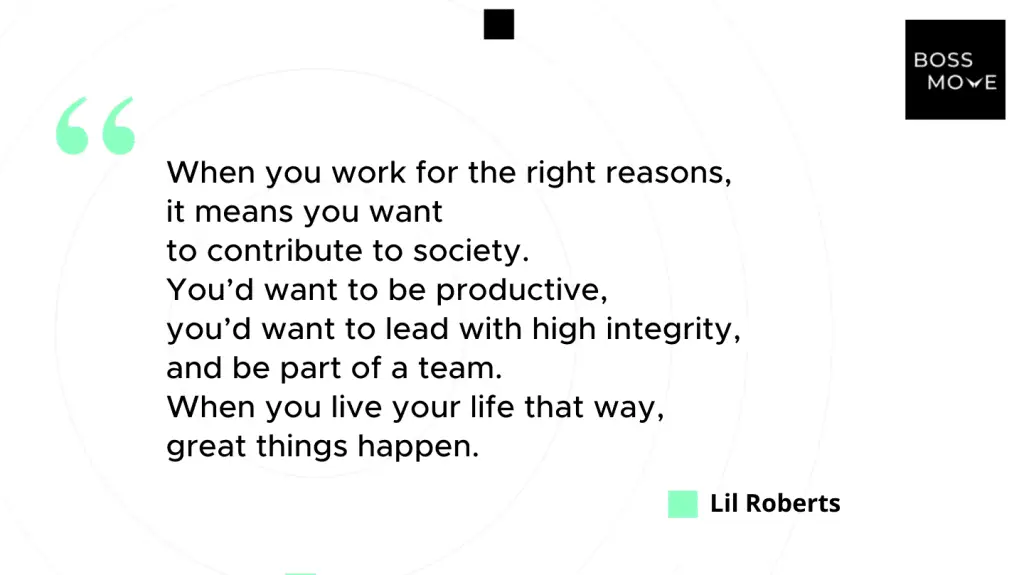
Success is not about luck and chance. It’s about visionary leaders who intentionally pursue the critical elements every business needs to be successful. Join Kison Patel from Boss Move Podcast and his guest Lil Roberts, Founder, and CEO in the episode Critical Elements of Success as they talk about the secret ingredients for success and how to get them.
Lil Roberts, CEO Joins The y.FTL Panel at Endeavor Miami

Endeavor Miami hosted their y.FTL panel, the second panel in their y.FLORIDA series. Lil Roberts, xendoo’s CEO was one of the speakers. As Florida’s entrepreneurial ecosystem continues to develop they will continue to shed light on the strength of Florida’s entrepreneurs. Honored to be part of an amazing night with incredible people!
These are the women in Miami tech you need to know | South Florida Business Journal
The Miami tech movement wouldn’t be what it is without the women founders, executives, nonprofit leaders, and venture capitalists who have spent years championing the region’s innovation community. An article by Ashley Portero, Senior Reporter, South Florida Business Journal. Read more here
Low-Burn | Scaling Your Startup S2 E8 with Neyborly’s Ben Seidl & xendoo’s Lil Roberts | E1224
When it comes to financial health as your scaling your startup there are six steps to healthy financials for scaling your startup. Watch for insightful tips for your small business by our CEO and Founder Lil Roberts, at This Week in Startups – Scaling your Startup. E1224 of Low Burn.
4 Reasons Why Digital Transformation Is Table Stakes for Small Businesses

Small businesses are making the leap into digitalization to respond to evolving consumer behavior and expectations, adapting to new working norms, putting data to work to drive performance and building business resiliency.
Profile of a Founder: Lil Roberts of xendoo
We believe business owners should have time to do what they love, build their business – not do bookkeeping.
Importance of LIVE events & What’s the Future of Ecommerce | Lil Roberts | Ep. 173
The new buying habits are post-pandemic! What to expect? xendoo CEO and Founder Lil Roberts is back to share with us the new buying habits post-pandemic and how eCommerce fits into retail’s post-pandemic future. “We believe business owners should have time to do what they love, build their business – not do bookkeeping.”
Online Bookkeeping Services for Small Business Owners

Author’s Note: This post was updated on February 23, 2022, with new information, links, and resources. Bookkeeping is vital to the success of every business, but business owners rarely have the time (or desire) to manage it themselves. Many small businesses save time by partnering with an online bookkeeping and accounting team. However, there are some key features to consider when selecting online bookkeeping services for your small business. What Is Online Bookkeeping? Online bookkeeping, also called virtual bookkeeping, means managing your bookkeeping remotely. A virtual bookkeeper works directly with your business to manage your company’s accounting and financial reporting. Typically, your company’s financial activity, records, and transactions will be stored in cloud-based accounting software that you are able to easily access. An online bookkeeper will initially undergo a consultation with you to understand the needs of your business and your regular financial activities. Then, they can set up a system to generate sales invoices, manage accounts payable, and process payroll. With the right online bookkeeper, you can regularly view your company’s financials and make strategic business decisions. How do you choose the right financial partner for your business? There are many options available, ranging from traditional CPAs to tech-savvy online providers. Today, we will take a look at two popular options: xendoo Online Bookkeeping and Bench. Both provide quality bookkeeping and tax services, but there are some key differences in features that may tip the scale for you: Online bookkeeping and tax services Additional services Accounting software Free trial In this blog post, we will explore these differences so that you can make the best choice for your business. Online Bookkeeping Services and Taxes xendoo’s online bookkeeping and tax packages start at $395. We reconcile your books weekly, and deliver your reports as early as the 5th business day of the month, depending on the plan you select. What Services Do Virtual Bookkeepers Offer? You may also want to consider what other financial services your business needs. A virtual bookkeeper offers a wide range of services. These may include any of the following: Cash Reconciliation Your company may have many cash transactions throughout the month. These can include payments, receipts, and other items. A virtual bookkeeper can connect your cash and lines of credit with your accounting system to record transactions as they occur automatically. Accounts Receivable Management As a business owner, you likely don’t have a lot of time to chase down overdue payments from your customers. Instead, your focus is on growing and managing your business. A virtual bookkeeping service can assist you with client account collections and ensure that any significantly overdue accounts are brought to your attention immediately. Accounts Payable Management Rather than relying on what you think you have incurred in expenses for the month, you can allow a virtual bookkeeper to record actual and expected expenses. This approach allows you to strategically plan your outgoing cash flow for the upcoming weeks. Cash Flow Management Cash flow management tracks the money that you have coming into and out of your business. Online accounting services should provide a clear picture of your cash flow. Simply put, money coming in from revenue should be greater than money going out for employee pay, vendors, tools, and other expenses. Financial Reporting Accurate financial reports are an important part of the monthly accounting process. xendoo’s financial reports include profit and loss statements and balance sheets. Plus, you can view reports from anywhere with the mobile app. Tax Preparation Frequently, online bookkeeping services will offer tax preparation services. This service can save you a lot of time and effort. You can also make sure that your tax return will be completed by someone who understands your company and its financial performance. What if you are behind on your bookkeeping? Outside of the ongoing subscriptions, xendoo and Bench offer catch up bookkeeping services so you can get previous months’ books in order! Accounting Software There are a number of online accounting software systems available. The most popular include QuickBooks Online and Xero. Both of these services are cloud-based, with modern user interfaces that are easy to interpret. They integrate with a number of third-party applications, which gives them greater functionality. Prices for both systems are much less than you would pay for a full ERP. However, both systems allow for a wide range of reporting tools that are perfect for small business accounting. They have the ability to reconcile cash accounts and provide accurate accounts receivable and payable reports. You may also generate a full set of financial statements for monthly reporting purposes. The biggest difference between xendoo and Bench is the software used to do your bookkeeping and accounting. xendoo works with both Quickbooks Online and Xero. The biggest advantage of these two programs is that you own the software. Working with Quickbooks Online and Xero, you will always have access to your financial records, no matter who does your bookkeeping. Bench only uses its proprietary software, which does not integrate with any other accounting programs. If you ever need to leave Bench, your records will not go with you and your financial history will have to be rebuilt. If you want to be able to hold onto your data, Bench may not be the best choice for your business. Try Us Out xendoo offers a free trial. The online accounting team completes your books from the previous month and provides a Profit and Loss Statement and Balance Sheet. What happens if xendoo is not the best fit for you? In that case, we will gladly connect you with others in our network so you can find your ideal financial partner. The completed books and financial reports are yours to keep in your QuickBooks Online or Xero subscription! If you decide not to work with Bench, you can hold onto the financial reports, but you will no longer have access to the previous month’s bookkeeping as it is done in their proprietary software. We’ve done a detailed xendoo vs Bench comparison, but we’ve highlighted key differences in
Online Bookkeeping Provider xendoo Now Helping Small Businesses in 46 States, 12 Countries
One of Broward County’s biggest startup success stories continues to grow at a rapid pace. Fort Lauderdale-based xendoo has developed a SaaS bookkeeping platform targeted at small businesses. The startup reported a two-year revenue growth of 777% from 2018 through 2019.
Pros and Cons of Putting Your Small Business on Amazon
Ecommerce is booming. Total revenue will reach nearly $4.6 billion in 2021 and grow at an annual rate of 4.6% over the next five years – reaching $5.6 billion by 2025. It’s easy to see why owners of small and medium businesses are asking themselves how they can get a piece of the eCommerce pie. One popular option—the Amazon small business marketplace. In the first quarter of 2021, 55 percent of the units sold on Amazon were from third-party sellers. For a company with sales of more than $300 billion, that’s more than pocket change. But what are the pros and cons? And is it worth the trouble? What is Amazon marketplace? The Amazon marketplace is an eCommerce platform that allows independent vendors and sellers to sell their goods on Amazon. The platform allows Amazon to forego the typical retail model, where it sources materials, then produces and stores each of its products until shipment. Instead, third-party vendors put products on Amazon and take care of the details, while Amazon gets a cut of the profits. What are the pros of selling on Amazon as a small business? There’s no question that Amazon is popular with small businesses: In 2018, nearly three-quarters of Amazon sellers had between one and five employees. And Amazon for small business does have plenty of benefits, like the following. You can reach a larger audience One of the biggest benefits of selling products on Amazon is that it can connect you with a wider audience: There are more than 200 million Amazon Prime members worldwide, and that’s not counting site visitors who don’t subscribe to Prime. That’s a huge audience for Amazon small businesses. Amazon can take a lot of the work off your plate Getting set up with Amazon marketplace is relatively easy: Just sign up and add products to the catalog. If you want Amazon to do more work for you, you can sign up for Amazon FBA, or Fulfilled by Amazon, which allows you to use Amazon’s warehousing, packaging, shipping, and customer service. Amazon has tools to help you sell In addition to Sponsored Ads – which actually make Amazon the third-largest digital advertiser behind only Google and Facebook – Amazon small businesses have access to MerchantWords, a proprietary keyword research tool. It uses actual Amazon data to help you optimize your product names, descriptions, and ads. Amazon provides technical support Amazon Seller Central is the platform’s support team for Amazon small businesses. It’s available 24 hours a day, although most sellers will be required to submit a request and wait for a callback. Still, most sellers receive a prompt response and are happy with the support they receive What are the cons of selling on Amazon as a small business? Amazon Marketplace sounds pretty great, right? For many small and medium businesses, it is. But it also has a few drawbacks you should be aware of. It can be expensive With charges for selling, referral fees, and Amazon sales tax, the cost of selling on the marketplace can quickly add up. Sellers without a monthly plan will pay 99 cents per item sold, while those with a Professional Plan pay $39.99 per month. If you opt for extra features, like Fulfilled by Amazon, expect to pay more fees. If you are looking to start selling online there are options to secure ecommerce funding. It can be time consuming Getting set up with Amazon Marketplace is easy – understanding how to be successful there can be more time-consuming. Diving into the tools Amazon provides and optimizing your product take time. Plus you’ll need to figure out Amazon bookkeeping and accounting, inventory management, and more. The competition is fierce There were 1.1 million active Amazon marketplace sellers in the United States alone in 2019. Amazon Marketplace is also incredibly popular with Chinese merchants, some of whom sell products at super-low, factory-direct prices. You’ll even compete with Amazon’s own private label brands. And fake reviews abound on the platform, with competitors using bots to write thousands of five-star reviews at once. It’s Amazon’s world, you’re just selling in it Some Amazon small businesses feel they don’t have much power over the selling process. There are reports of Amazon punishing businesses for selling at lower prices on other marketplaces, or pressuring them to sign up for extra services. Should I use Amazon for my small business? There’s no one-size-fits-all answer to whether you should sell products on Amazon. Certain categories, like personal care, beauty, and home goods, seem to have greater success on the platform. Businesses with high margins, who can afford to give Amazon its cut, can also do well. However, success with Amazon for small business depends more on your ability to figure out what works for you than on the type of business. xendoo can help dive into your books and help you make a sound decision on whether to sell on Amazon Marketplace. If you’re already a seller, we can ensure your books are in order – allowing you more time to focus on selling. [av_sidebar widget_area=’Blog Post Disclaimer’ av_uid=’av-om2w’]
Pass-Through Deductions: What It Is and Who Qualifies

One of the best small business-friendly aspects of the Tax Cuts and Jobs Act (TCJA) is the 20% deduction you can take on your income tax if your business is a pass-through entity. Here’s what you need to know about it. What Is the Deduction The TCJA was passed in 2017 and first applied to 2018 tax returns. Provision 199A of that law states that you can deduct 20% of your “qualified business income” which was earned from a “qualified trade or business.” What Is a Pass-Through Entity Any business structure that allows you to receive income as an “owner’s draw” rather than as a regular employee is a pass-through business. The money is “passed through” from the company account to your personal account. You only pay income tax on it with your personal return; you don’t have to file a separate return for the business. Pass-through entities include:• Sole proprietorship• Partnership• LLC (limited liability corporation)• S-Corporation However, there are some restrictions. Taxable Income Restriction • Less than $157,500 (single, married filing separately, head of household) or $315,000 (married filing jointly): you qualify for the full 20% deduction.• $157,500 – $207,500 or $315,000 – $415,000, respectively: your deduction may be less.• More than $207,500 or $415,000, respectively: you are not eligible for the deduction. Specified Service or Trade Restrictions What your business does may disqualify it from the deduction. Here’s the list of excluded fields, as issued by the Treasury Department in August 2018: • Health• Law• Accounting• Actuarial science• Performing arts• Consulting• Athletics• Financial services• Brokerage services• Any business where the principal asset is the reputation or skill of one or more of the employees or owners• Any business that consists of investing and investment management, trading or dealing in securities, partnership interests or commodities But don’t give up if you see your business in one of these categories, because there are numerous exceptions. For example, in the Health category, healthcare providers who provide services directly to patients — such as doctors and dentists — are not eligible. On the other hand, health clubs, spas, medical research companies, and those who sell pharmaceuticals or medical devices may qualify for the deduction. In the case of businesses who both provide services and sell products, eligibility is determined by sales:• Less than $25 million in gross receipts and less than 10% of your business comes from disqualified services; or• More than $25 million in gross receipts and less than 5% of your business comes from disqualified services Employee and Property Restrictions There are two further conditions that could affect how much of a deduction you can take. They are:• Business that pay W-2 wages• Business that owns “qualified property” such as real estate or other tangible assets that can be depreciated If your business fits either of these descriptions, your deduction will be the lesser of:• 20% of qualified business income (or the “tentative deduction”); or• The greater of:o W-2 wages paid x 50%; oro W-2 wages paid x 25% + the unadjusted basis (cost) of your qualified property x 2.5% Still confused about the pass-through deduction? Your xendoo small business expert can clear things up, answer your questions, and help you get every tax break you deserve.