












Why Do Shopify Sellers Need Bookkeeping?

Launching a Shopify store can happen in a single day, but building a profitable Shopify business depends on having financial structure behind every transaction. Sales platforms like Shopify make it easy to start selling, yet they do not manage the operational side of the business that follows each order. Bookkeeping is what turns daily sales activity into clear financial direction and informed decision-making.
Shopify Shows Orders. Bookkeeping Shows the Business.
The Shopify dashboard is built to show sales activity and store performance.
What it does not show is the full financial position of the business or how those sales translate into operational decisions.
The Shopify dashboard answers:
- How many orders came in
- Which products sold
- Traffic and conversion rates
Bookkeeping answers different questions:
- How much cash is actually available
- Which expenses are growing
- Whether the business can afford inventory purchases
- When to hire or pause spending
Without bookkeeping, sellers operate on activity instead of financial position.
eCommerce Growth Without Structure Creates Risk
Advertising platforms provide detailed performance metrics, but those numbers live in isolation from the rest of the business finances. Without bookkeeping, marketing decisions happen without understanding their broader financial impact.
Bookkeeping connects marketing spend to the full business picture, revealing:
- Whether ad increases strain cash flow
- If rising acquisition costs align with available capital
- When to scale campaigns versus pause them
Without this connection, sellers scale spend without understanding financial consequences.
Advertising Decisions Require Financial Context
Many Shopify stores grow quickly in their early stages, yet financial organization often struggles to keep pace with that momentum.
When bookkeeping falls behind, small gaps in structure begin to create larger operational issues.
When bookkeeping is missing, sellers face:
- Missed tax deadlines
- Duplicate expenses
- Vendor payment confusion
- Unclear profitability
- Difficulty qualifying for funding
Rapid growth amplifies disorganization.
Bookkeeping keeps expansion controlled instead of chaotic.
Compliance and Recordkeeping Are Not Optional for Shopify Stores
Every Shopify store operates as a registered business, which brings ongoing financial reporting responsibilities.
Bookkeeping ensures those responsibilities are handled consistently instead of reactively.
Bookkeeping ensures:
- Expenses are documented
- Revenue is recorded correctly
- Financial statements exist when requested
- Audit risk decreases
- Reporting remains consistent year-round
Compliance becomes routine instead of stressful.
Time Efficiency Becomes a Competitive Advantage
Every Shopify store operates as a registered business, which brings ongoing financial reporting responsibilities.
Bookkeeping ensures those responsibilities are handled consistently instead of reactively.
Bookkeeping ensures:
- Expenses are documented
- Revenue is recorded correctly
- Financial statements exist when requested
- Audit risk decreases
- Reporting remains consistent year-round
Compliance becomes routine instead of stressful.
Inventory and Vendor Relationships Depend on Accurate Records
Inventory purchasing and supplier agreements directly influence available cash and operational stability. Bookkeeping provides the clarity needed to manage those relationships with confidence rather than estimation.
This visibility supports:
- Strong vendor relationships
- Predictable ordering cycles
- Negotiation leverage
Fewer stockouts or over-purchasing mistakes
Funding Requires Financial Credibility
When outside parties evaluate a business, they look for structured financial documentation rather than platform dashboards or spreadsheets.
Bookkeeping creates the level of organization that supports faster approvals and stronger opportunities.
Bookkeeping produces structured reports that demonstrate:
- Stability
- Consistency
- Operational discipline
- Financial credibility
Opportunity favors businesses that can present accurate numbers immediately.
What Bookkeeping Provides Shopify Sellers
Bookkeeping extends beyond expense tracking and basic categorization. It functions as the financial framework that supports day-to-day operations and long-term planning.
It delivers:
- Organized financial records
- Monthly financial statements
- Cash position visibility
- Expense tracking
- Compliance readiness
Decision-making clarity
FAQs
Is bookkeeping necessary if sales are low?
Yes. Structure built early prevents large corrections later.
Can spreadsheets replace bookkeeping?
No. Spreadsheets track basic activity. Bookkeeping creates financial structure and reporting consistency.
When should bookkeeping start?
From the first transaction. Delays increase correction costs and reduce accuracy.
What happens if bookkeeping is ignored?
Decisions rely on incomplete information, and compliance risk increases over time.
Lead with Clarity
Reclaim your time – focus on growth while we take care of the numbers.
- No Onboarding/Setup Fees
- Weekly Bookkeeping by 🇺🇸 team
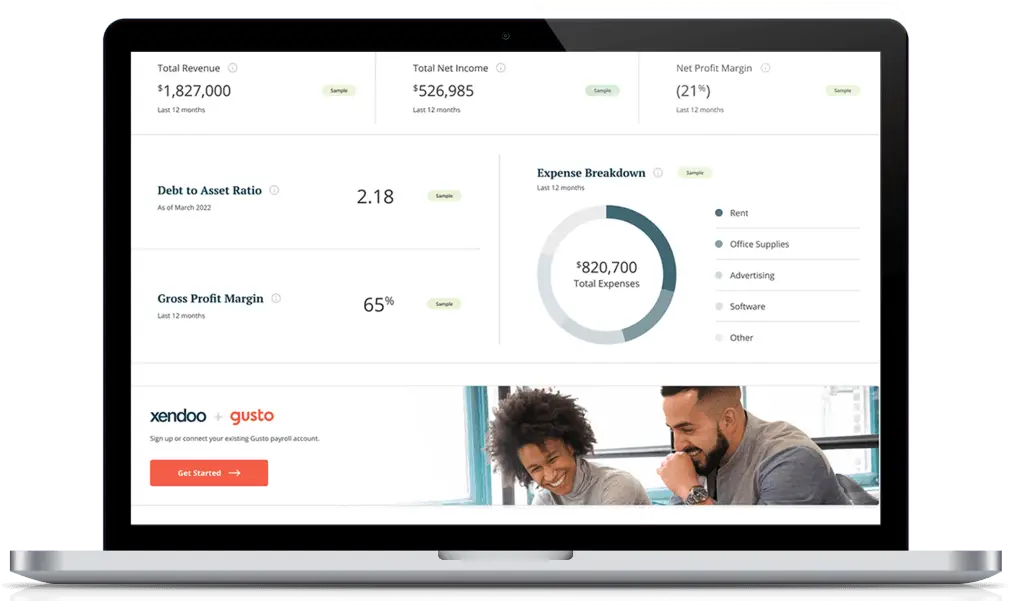
- Data Driven Dashboard
- 24/7 Access via Xendoo App