










Small Business Bookkeeping: a 2026 Guide for Business Owners

Running a small business requires constant financial awareness. Sales, expenses, payroll, taxes, and vendor payments move through the business every day. Without structured bookkeeping, those transactions become difficult to track and even harder to analyze.
Bookkeeping provides the financial recordkeeping system that keeps a business organized and financially visible. Every sale, expense, and payment becomes part of a structured financial record that supports reporting, decision-making, and compliance.
This guide explains how small business bookkeeping works in 2026, what it includes, and why organized financial records remain one of the most important foundations for running a successful company.
What Is Small Business Bookkeeping?
Bookkeeping is the process of recording, organizing, and maintaining a company’s financial transactions. Every payment received, expense incurred, and financial movement is documented so the business maintains an accurate financial record.
These records create the foundation for financial reporting, tax filings, and strategic decision-making. Without organized bookkeeping, a business cannot clearly evaluate profitability, cash flow, or operational costs.
At its core, bookkeeping answers a simple but essential question:
Where is the money coming from and where is it going?
What Bookkeeping Includes
Professional bookkeeping covers a range of financial tasks that keep the company’s records accurate and up to date.
Typical bookkeeping responsibilities include:
Recording financial transactions
- Sales revenue
- Customer payments
- Vendor payments
- Operating expenses
- Payroll transactions
Account reconciliation
- Matching bank statements to recorded transactions
- Reconciling credit cards and payment platforms
- Identifying discrepancies or missing entries
Accounts payable and receivable management
- Tracking invoices sent to customers
- Monitoring outstanding payments
- Managing vendor bills and payment schedules
Financial reporting
- Profit and loss statements
- Balance sheets
- Cash flow reports
These records provide the data necessary to evaluate the financial health of the business.
Why Bookkeeping Matters for Small Businesses
Many small business owners begin by managing finances informally. As the business grows, financial activity becomes more complex.
Bookkeeping becomes essential because it supports several critical functions.
Financial clarity
Organized records help business owners understand revenue, expenses, and profitability. Without clear records, financial performance becomes difficult to evaluate.
Cash flow monitoring
Cash flow determines whether a business can pay suppliers, employees, and operating expenses. Accurate bookkeeping helps track incoming payments and outgoing costs in real time.
Better business decisions
Reliable financial data supports decisions about hiring, investments, expansion, and pricing strategies. Accurate bookkeeping provides the information required to evaluate these choices.
Tax preparation
Well-maintained books simplify tax filing and reduce the time required to prepare financial documentation during tax season.
Financing and lending readiness
Banks and lenders often require financial statements before approving loans or credit lines. Organized bookkeeping provides the financial transparency lenders expect.
The Role of Bookkeeping in Financial Reporting
Bookkeeping feeds directly into financial statements that help business owners understand company performance.
The most common reports generated from bookkeeping records include:
Income Statement (Profit and Loss)
Shows revenue, expenses, and profit over a specific period.
Balance Sheet
Displays assets, liabilities, and equity to show the company’s financial position.
Cash Flow Statement
Tracks how cash moves through the business.
These reports allow business owners to evaluate profitability, monitor financial stability, and plan future investments.
How Xendoo Supports Small Business Bookkeeping
Xendoo provides technology-driven bookkeeping and accounting services built specifically for small businesses.
Clients receive:
- Weekly reconciled books
- Dedicated U.S.-based accountants
- Timely monthly financial reports
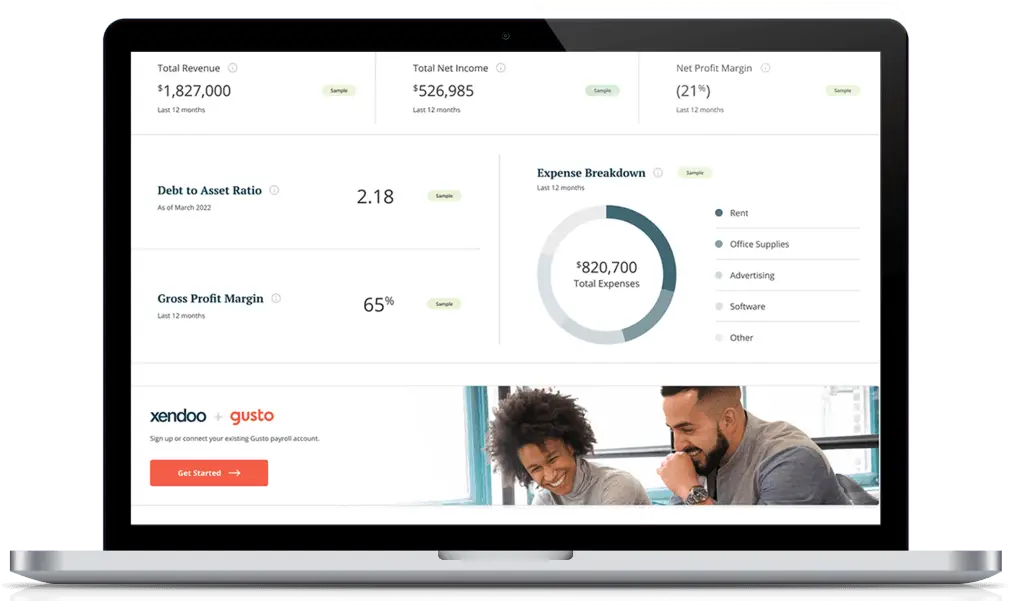
- data-driven financial visibility through the Xendoo dashboard
- Year-round tax support
This structure ensures financial records remain organized, accurate, and accessible as businesses grow.
The Bottom Line
Small business bookkeeping forms the foundation of financial management.
Accurate financial records allow business owners to:
- Understand profitability
- Monitor cash flow
- prepare taxes
- qualify for financing
- make informed strategic decisions
As businesses grow and financial activity increases, structured bookkeeping becomes essential for maintaining financial clarity and operational control.
Frequently Asked Questions
When should a business consider outsourcing bookkeeping?
Many businesses begin outsourcing bookkeeping when transaction volume increases or financial reporting becomes difficult to manage internally. Outsourcing often makes sense when owners spend too much time managing financial records instead of focusing on operations, sales, or customer relationships.
How often should bookkeeping be updated for a small business?
Bookkeeping should be updated consistently throughout the month. Many small businesses review and reconcile transactions weekly or monthly to ensure financial records remain accurate. Regular updates prevent transaction backlogs and help business owners maintain clear visibility into revenue, expenses, and cash flow.
What bookkeeping software do small businesses typically use?
Most small businesses use cloud accounting platforms that connect to banks, payment processors, and payroll systems. Businesses working with Xendoo use Xero or QuickBooks Online to manage their financial records and reporting
What is the difference between bookkeeping and accounting?
Bookkeeping focuses on recording and organizing financial transactions. Accounting uses those records to analyze financial performance, prepare tax filings, and provide financial guidance. Both functions work together to maintain accurate financial data and support informed business decisions.
Lead with Clarity
Reclaim your time – focus on growth while we take care of the numbers.
- No Onboarding/Setup Fees
- Weekly Bookkeeping by 🇺🇸 team
- Data Driven Dashboard
- 24/7 Access via Xendoo App