












Cash Flow vs Profit: Why Profitable Businesses Still Run Out of Money

Profit Does Not Always Mean Cash in the Bank
Many business owners assume profit and cash are the same thing. Financial statements often tell a different story.
A company can report strong profits on a profit and loss statement while the bank account remains tight.
Profit measures financial performance over a period of time.
Cash flow measures how money moves in and out of the business.
Understanding the difference helps business owners manage growth, payroll, expenses, and expansion without unexpected financial pressure.
What Profit Measures
Profit reflects how much money remains after business expenses are deducted from revenue.
A typical profit calculation includes:
- revenue from sales
- cost of goods sold
- operating expenses
- payroll
- rent and overhead
Profit appears on the profit and loss statement (P&L).
A business showing positive profit is generating more revenue than expenses during the reporting period.
However, profit does not always reflect timing of payments.
What Cash Flow Measures
Cash flow tracks the actual movement of money into and out of a business.
A cash flow statement records:
- customer payments received
- vendor payments
- payroll expenses
- loan payments
- equipment purchases
Cash flow reflects the real liquidity of the business — the amount of money available to operate day-to-day.
Strong cash flow ensures businesses can pay employees, vendors, and operating expenses on time.
Why Profitable Businesses Experience Cash Shortages
Several common situations cause profitable businesses to experience tight cash flow.
Customer Payment Timing
If customers take 30–60 days to pay invoices, revenue appears on the profit statement before cash arrives.
Inventory Purchases
Retail and product businesses often purchase inventory weeks or months before sales occur.
Equipment and Asset Purchases
Large purchases reduce available cash even though they may be spread across accounting depreciation schedules.
Rapid Business Growth
Growing companies often spend on hiring, inventory, marketing, and expansion before revenue fully catches up.
These timing differences create gaps between reported profit and available cash.
How Financial Visibility Improves Cash Management
Organized financial reporting helps business owners monitor both profitability and liquidity.
Clear financial records allow owners to:
- track incoming payments
- monitor operating expenses
- forecast upcoming cash needs
- evaluate growth investments
- prepare for financing opportunities
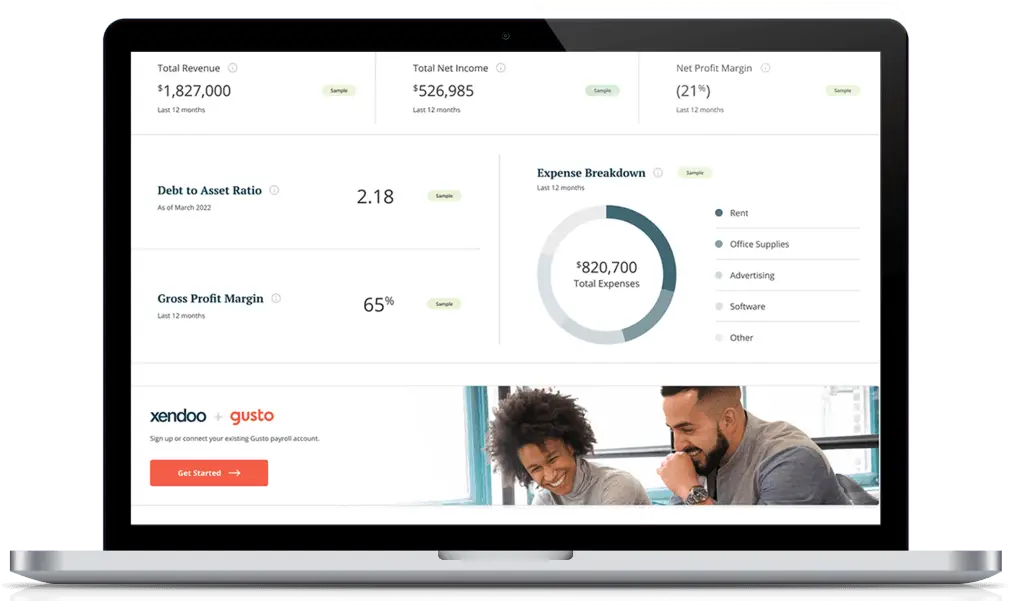
Consistent bookkeeping ensures financial reports reflect the true financial position of the business. With structured reporting and real-time access to financial data through the Xendoo dashboard, business owners maintain ongoing visibility into cash flow, helping them make informed decisions about spending, hiring, and growth.
Financial Reports that Help Manage Cash Flow
Business owners rely on several reports to monitor cash movement.
Key reports include:
- profit and loss statement
- balance sheet
- cash flow statement
- accounts receivable aging reports
Together, these reports provide a complete picture of financial performance and liquidity.
How Xendoo Helps Businesses Maintain Financial Visibility
Xendoo provides bookkeeping, accounting, and tax support designed for growing small businesses.
Services include:
- weekly reconciled books
- timely monthly financial reports
- dedicated U.S.-based accountants
- year-round tax preparation
- data-driven insights through the Xendoo dashboard
With organized financial records and a real-time dashboard, business owners maintain clear visibility into both profitability and cash flow.
Lead with Clarity
Reclaim your time – focus on growth while we take care of the numbers.
- No Onboarding/Setup Fees
- Weekly Bookkeeping by 🇺🇸 team
- Data Driven Dashboard
- 24/7 Access via Xendoo App