












What Causes Businesses to Outgrow Their Bookkeeping Systems?

As businesses grow, financial operations become more complex.
A bookkeeping system that worked during the early stages of a business may no longer support the operational demands of a growing company. Increasing transaction volume, expanding payroll, inventory growth, multi-location operations, and additional sales channels all place greater pressure on bookkeeping systems and financial reporting processes.
Many growing businesses reach a point where bookkeeping becomes fragmented, delayed, or difficult to manage internally. Financial visibility declines while reporting complexity increases.
Understanding what causes businesses to outgrow their bookkeeping systems helps business owners identify operational gaps before financial reporting problems begin impacting growth.
Why Growing Businesses Outgrow Basic Bookkeeping Systems
Most businesses begin with relatively simple financial operations.
During the early stages, bookkeeping may involve:
- Limited monthly transactions
- One bank account
- Basic expense tracking
- Minimal payroll
- Single-location operations
- One primary sales channel
As businesses scale, financial complexity increases significantly.
Bookkeeping systems that once worked efficiently can become difficult to manage as operational demands expand.
Increasing Transaction Volume Creates Reporting Challenges
One of the main reasons businesses outgrow their bookkeeping systems is transaction volume.
As revenue grows, businesses typically process:
- More customer payments
- More vendor transactions
- More payroll entries
- More expense categories
- More bank and credit card activity
Higher transaction volume increases the workload required to:
- Categorize transactions accurately
- Reconcile accounts
- Maintain organized financial reporting
- Monitor cash flow consistently
Without scalable bookkeeping processes, reporting delays and financial inconsistencies become more common.
Multi-Location Growth Adds Financial Complexity
Businesses operating across multiple locations require more advanced financial visibility.
Multi-location businesses often need to track:
- Location-level profitability
- Payroll by location
- Inventory across locations
- Regional expenses
- Revenue performance by market
- Operational trends across locations
Without standardized bookkeeping processes, financial reporting across locations becomes fragmented.
Different locations may:
- Categorize expenses differently
- Close financials at different times
- Use separate payroll systems
- Maintain inconsistent reporting practices
As a result, leadership teams struggle to compare performance accurately across the business.
Payroll Complexity Increases as Teams Expand
As businesses hire more employees, payroll reporting becomes more complicated.
Growing payroll operations introduce:
- Payroll tax reporting
- Benefits administration
- Contractor payments
- Overtime tracking
- Multi-state payroll compliance
- Department-level labor reporting
Payroll expenses also become one of the largest operational costs for many businesses.
Without organized bookkeeping and payroll integration, businesses may lose visibility into:
- Labor cost trends
- Revenue per employee
- Department profitability
- Payroll fluctuations
- Staffing efficiency
Inventory Growth Creates Additional Financial Pressure
Inventory management adds another layer of bookkeeping complexity.
As inventory grows, businesses must monitor:
- Cost of goods sold (COGS)
- Inventory valuation
- Vendor purchasing
- Inventory shrinkage
- Product profitability
- Inventory turnover
Without accurate bookkeeping, inventory reporting can distort financial statements and profitability reporting.
Inventory-heavy businesses frequently outgrow bookkeeping systems when reporting processes cannot keep pace with operational growth.
Multiple Sales Channels Create Fragmented Financial Data
Many growing businesses sell across multiple platforms.
This may include:
- Shopify
- Amazon
- Walmart Marketplace
- Etsy
- Stripe
- PayPal
- Retail storefronts
- Wholesale channels
Each platform introduces separate:
- Fees
- Payout schedules
- Refund activity
- Sales tax reporting
- Transaction data
Without integrated bookkeeping systems, financial reporting becomes fragmented across platforms.
This creates challenges when businesses attempt to:
- Reconcile deposits
- Track true revenue
- Monitor profitability
- Maintain accurate financial statements
Delayed Financial Reporting Limits Decision-Making
As bookkeeping systems become overwhelmed, financial reporting delays increase.
Some growing businesses wait:
- Several weeks
- Multiple months
- Entire quarters
before financials are fully updated.
Delayed reporting reduces visibility into:
- Cash flow
- Profitability
- Rising expenses
- Labor trends
- Inventory performance
- Financial risks
Business owners may continue making operational decisions without accurate financial data.
Timely bookkeeping becomes increasingly important as businesses scale.
Many Growing Businesses Outsource Bookkeeping as Financial Complexity Increases
As businesses scale, bookkeeping requires significantly more time, consistency, and financial oversight.
Many business owners initially manage bookkeeping internally or handle portions of the process themselves during the early stages of growth. Over time, increasing transaction volume, payroll complexity, inventory management, and multi-channel operations make bookkeeping more difficult to maintain internally.
Outsourcing bookkeeping helps growing businesses:
- Maintain more consistent financial reporting
- Reduce reporting delays
- Improve account reconciliations
- Increase financial visibility
- Support cleaner monthly closes
- Reduce operational bottlenecks
Outsourced bookkeeping also gives leadership teams more time to focus on operations, hiring, expansion, customer experience, and growth initiatives instead of managing day-to-day financial organization internally.
How Xendoo Helps Growing Businesses Scale Financial Operations
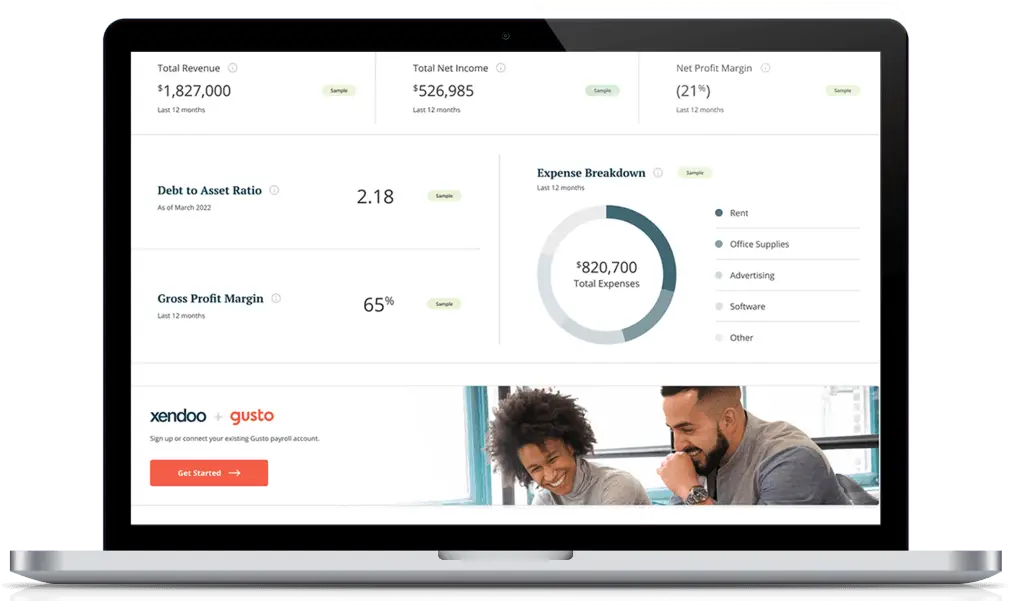
Xendoo helps growing businesses maintain organized financial reporting through weekly bookkeeping, monthly financial statements, payroll visibility through integrations, and year-round accounting support.
Xendoo supports businesses managing:
- Increasing transaction volume
- Multi-location operations
- eCommerce sales channels
- Inventory complexity
- Payroll growth
- Financial reporting across expanding operations
With timely bookkeeping and organized financial reporting, businesses gain clearer financial visibility as they scale.
Lead with Clarity
Reclaim your time – focus on growth while we take care of the numbers.
- No Onboarding/Setup Fees
- Weekly Bookkeeping by 🇺🇸 team
- Data Driven Dashboard
- 24/7 Access via Xendoo App